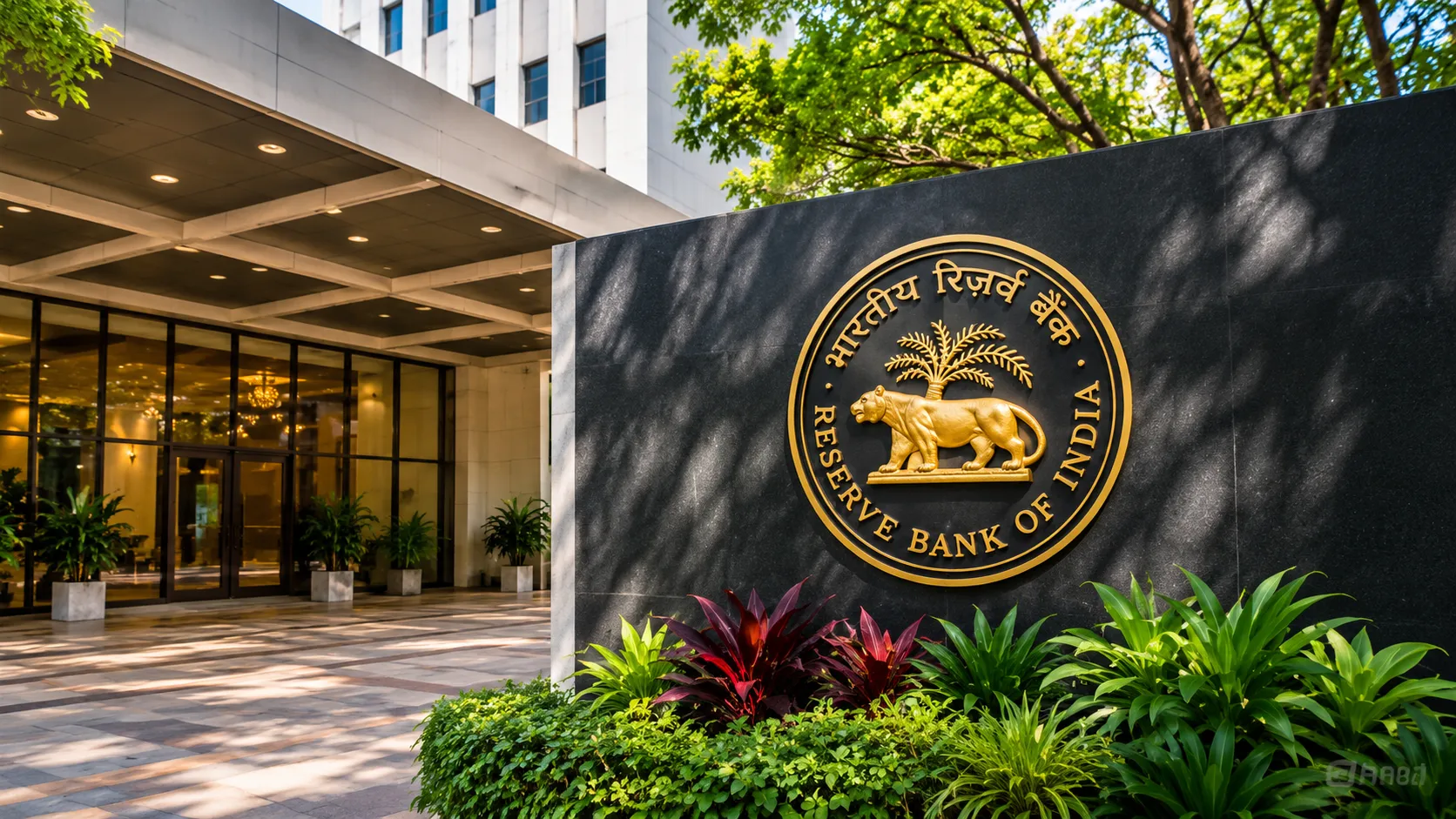
India's central bank wants to give every bank customer an emergency brake.
The Reserve Bank of India on Monday, November 23, released draft rules that would require banks to offer customers a "Stop Switch" allowing the "immediate disablement of all outward future debits" from their accounts, according to the Free Press Journal. The draft also introduces a voluntary "trusted person" mechanism, under which a customer can nominate someone to approve large transfers before they are executed.
The proposals, issued as the Commercial Banks (Responsible Business Conduct) Fifth Amendment Directions, 2026, are part of the RBI's broader effort to tackle the rapid rise in digital payment fraud that has accompanied India's digital banking boom.
How the Stop Switch would work
Under the draft, banks would have to give customers a facility to immediately block all outward future debits from their accounts. This would allow a customer who suspects fraud, for example after sharing an OTP with a scammer or losing a phone, to freeze outgoing payments instantly, preventing further losses.
Certain debits would be excluded from the switch. These include payments under existing recurring mandates and standing instructions, as well as debits initiated by the bank itself to recover charges or loan instalments, or to mark a lien. The exclusions are designed to ensure that customers do not inadvertently miss regular payments such as loan EMIs or insurance premiums.
The trusted person mechanism
The second proposal is a voluntary "Trusted Person Mechanism." A customer could nominate an individual, such as a family member, to authenticate fund transfers above a threshold that the customer sets.
When such a transfer is initiated, the bank would notify the trusted person with details including the amount, the beneficiary's name, account number and mobile number, and any narration. The trusted person would have one hour to approve the transaction through the bank's prescribed channel. If they refuse or do not respond within the window, the transaction would be rejected.
Both the customer and the trusted person would have to explicitly consent to the arrangement. The trusted person would have no access to the account and no liability for the transactions. UPI payments, merchant payments and recurring payments through standing instructions, e-mandates or NACH mandates would be excluded.
Expanding bank accountability
The draft also broadens the definition of "negligence by a bank." It would cover system malfunctions or security breaches on the bank's side, as well as collusion by bank employees or third parties engaged by the bank, where these facilitate or result in fraud.
This matters because a finding of bank negligence typically determines whether a customer is compensated for losses. A wider definition could make it easier for fraud victims to recover money when the bank's systems or staff are at fault.
Timeline
The rules would come into effect on July 1, 2027, although banks could choose to implement them earlier, according to the draft. The RBI typically invites comments from banks, industry bodies and the public before finalising such directions.
The long lead time reflects the technical changes banks would need to make to their systems, mobile apps and customer service processes.
Why the RBI is acting
India has become the world's largest market for real-time digital payments, led by the Unified Payments Interface (UPI), which processes billions of transactions every month. The rapid growth in digital payments has brought enormous convenience, but it has also created opportunities for fraudsters.