StartupsLatest5 MIN READ

RentoMojo's Q2 Profit Falls 63% to ₹18.2 Crore on a Tax Swing, Even as Revenue Jumps 53% and Subscribers Rise 43%

Bengaluru-based furniture and appliance rental company RentoMojo reported a 62.6% fall in Q2 FY27 profit to ₹18.2 crore, largely because of a ₹6.2 crore deferred tax expense compared with a ₹32.8 crore deferred tax credit a year earlier, Inc42 reported on November 12. Operating revenue rose 52.8% to ₹142.1 crore, and live subscribers grew 43% to 3.2 lakh.

By Nisha Omkumar · Author12 November 2026New
RentoMojo's Q2 Profit Falls 63% to ₹18.2 Crore on a Tax Swing, Even as Revenue Jumps 53% and Subscribers Rise 43%

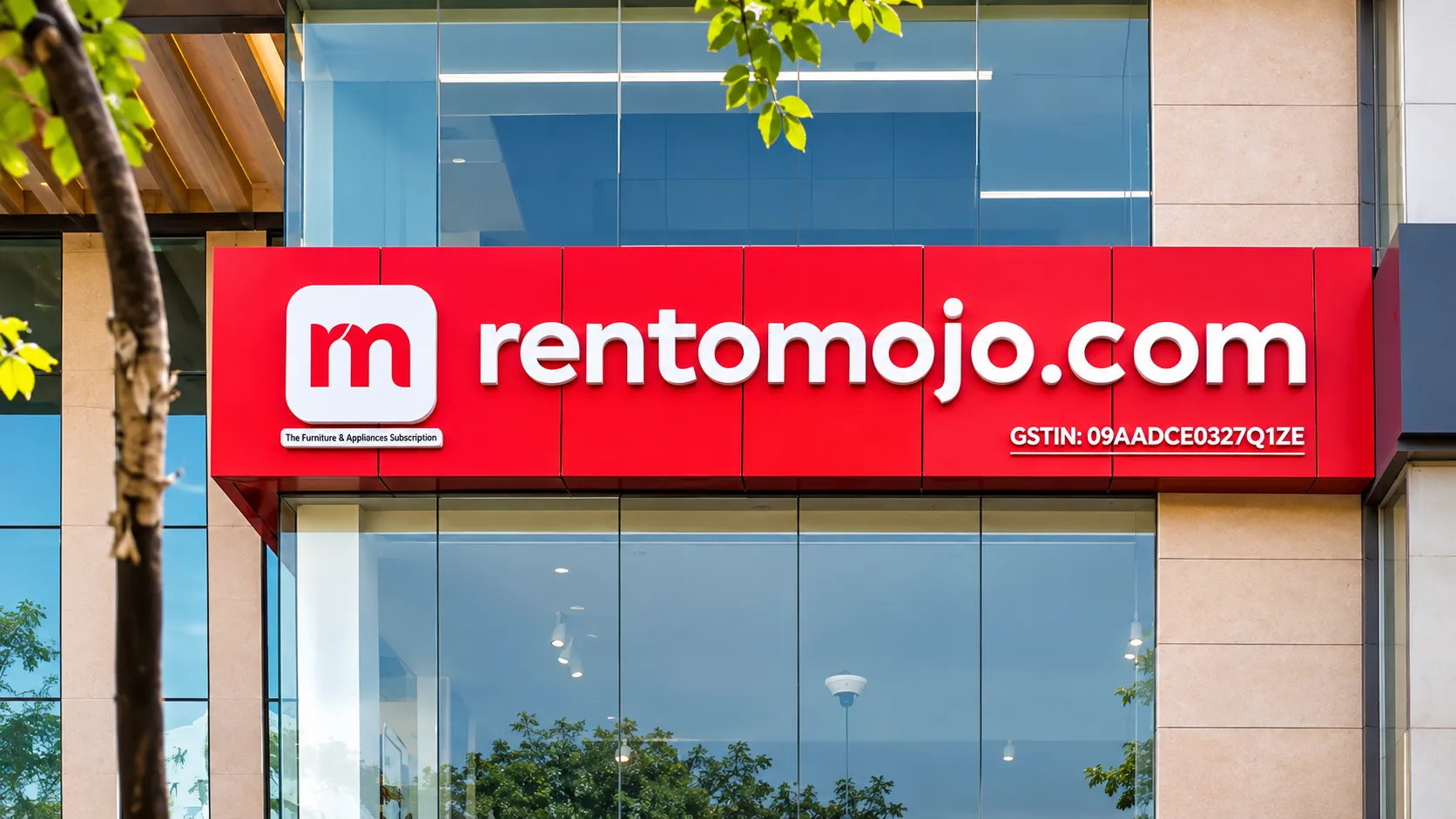
RentoMojo, which rents furniture and home appliances to India's urban professionals, reported a steep fall in quarterly profit, but the headline number masks a business that continues to grow rapidly.

The Bengaluru-based company's profit fell 62.6% year-on-year to ₹18.2 crore in the July-September quarter, the second quarter of the 2026-27 financial year, according to Inc42, which reported the results on Thursday, November 12. The decline was largely due to a ₹6.2 crore deferred tax expense in the quarter, compared with a deferred tax credit of ₹32.8 crore in the same quarter a year earlier.

Operating revenue rose 52.8% year-on-year to ₹142.1 crore, and total expenses rose 53.2% to ₹119.8 crore, according to Inc42.

Understanding the tax swing

Deferred tax arises from differences between how income and expenses are recognised for accounting purposes and for tax purposes. A deferred tax credit can boost reported profit, while a deferred tax expense reduces it, without necessarily reflecting changes in the company's underlying operations.

In RentoMojo's case, the large deferred tax credit in the year-earlier quarter flattered that period's profit, making the year-on-year comparison look worse. Excluding the tax effects, the company's pre-tax performance tells a more positive story.

RentoMojo has also used a normalised profit measure to present its underlying performance. In the first quarter, the company reported normalised profit after tax of ₹21.93 crore, up 71.8% year-on-year, according to the Free Press Journal, even as reported profit fell 39% to ₹7.8 crore, Inc42 reported at the time.

Subscriber growth

Operationally, the business is expanding quickly. Live subscribers grew 43% year-on-year to 3.2 lakh, and gross items ordered rose 45% to 3.8 lakh, according to Inc42. The company's network of retail stores reached 96 at the end of September 2026.

The store network is part of RentoMojo's omnichannel strategy, allowing customers to see and test products before renting them. The company has said it plans to expand into new cities.

How RentoMojo works

RentoMojo offers furniture, such as beds, sofas and tables, and appliances, such as refrigerators, washing machines and air conditioners, on monthly rental plans. Customers can rent items for a period and return them, upgrade them or, in some cases, buy them. The company handles delivery, installation and maintenance.

The model appeals to young professionals and students who move frequently between cities for work or study, and who may not want to invest in buying furniture and appliances. It also appeals to people who want flexibility or cannot afford large upfront purchases.

The economics of renting

Rental businesses require significant capital, since the company must buy the products it rents out. Its profitability depends on keeping products rented for as long as possible, maintaining them well and refurbishing them for new customers when they are returned. High occupancy, the share of items that are rented out at any given time, is crucial.

In the first quarter, RentoMojo reported average occupancy of 85.7%, according to Kotak Neo. Each item can be rented multiple times over its life, generating revenue well above its purchase cost.

A listed company

RentoMojo listed on the Indian stock exchanges this year, joining a growing group of new-age technology companies on the public markets. Its IPO delivered a strong return for early investor Accel, which clocked an 8.6x return, according to Inc42, while co-founder Geetansh Bamania sold shares worth ₹34 crore.


“Strip out the tax swing, and RentoMojo's quarter was one of steady, rapid growth.”
— TIGI Startups Desk

As a listed company, RentoMojo now reports quarterly results, and investors are watching whether its growth can continue and whether its profit metrics improve.

12b087bd-dc2d-487b-8398-a7259f066208.png

The circular economy angle

Renting products rather than buying them can have environmental benefits. When furniture and appliances are rented, refurbished and re-rented multiple times, fewer new products need to be manufactured, reducing resource use and waste. Rental companies have an incentive to buy durable products and maintain them well, since longer product life improves their returns.

This aligns with the principles of the circular economy, which aims to keep products and materials in use for as long as possible.

Competition

RentoMojo competes with other rental companies such as Furlenco, which focuses on furniture, as well as with traditional retailers and e-commerce platforms that offer easy financing options, such as no-cost EMIs, that make buying more affordable. Consumer durable financing from companies such as Bajaj Finance has made it easier for customers to buy appliances on instalments, providing an alternative to renting.

India's urban migration

The growth of the rental economy is closely linked to India's urbanisation and the movement of young professionals to cities such as Bengaluru, Pune, Hyderabad, Delhi and Mumbai for jobs, particularly in the technology and services sectors. These professionals often live in rented apartments and change homes frequently, creating demand for flexible furnishing options.

The stock market's verdict

Investors in new-age technology stocks have become increasingly focused on profitability and operating leverage. While RentoMojo's revenue growth is strong, the decline in reported profit, even if driven by tax effects, may weigh on sentiment. Investors are likely to focus on underlying operating profit, cash flows and the company's ability to scale efficiently.

The subscription model

Subscription and rental models have gained traction across consumer categories in India, from electric two-wheelers and cars to electronics, fashion and software. They appeal to consumers seeking flexibility and lower upfront costs, and to companies seeking recurring revenue and long-term customer relationships.

For RentoMojo, the recurring nature of rental revenue provides visibility over future income, since customers typically commit to rental periods of several months. This predictability is one reason investors have been willing to value rental companies on their subscriber base and recurring revenue.

Managing credit and losses

Rental businesses face risks similar to lenders, since customers may stop paying or fail to return items. RentoMojo uses its own data and processes to assess customers and manage collections, and its ability to keep losses low is an important part of its profitability.

As the company expands into new cities and customer segments, maintaining strong risk controls will be important. Investors will watch indicators such as collection efficiency and write-offs alongside revenue growth.

What comes next

RentoMojo will focus on expanding its store network, entering new cities and growing its subscriber base. Investors will watch whether revenue growth continues at current rates, whether operating margins improve and whether the company can deliver consistent profit growth without large tax swings distorting its results.

TagsRentoMojoGeetansh Bamaniarental economyfurniture rentalappliance rentalsubscription economyQ2 FY27 resultsIndian startupsnew-age tech stocksIPOAccelBengaluru startupsdeferred taxcircular economyconsumer durablesurban Indiamigrant professionalsretail storesomnichannelinvestors

Reader reviews

Sign in to rate and review this article.
Loading reviews…

