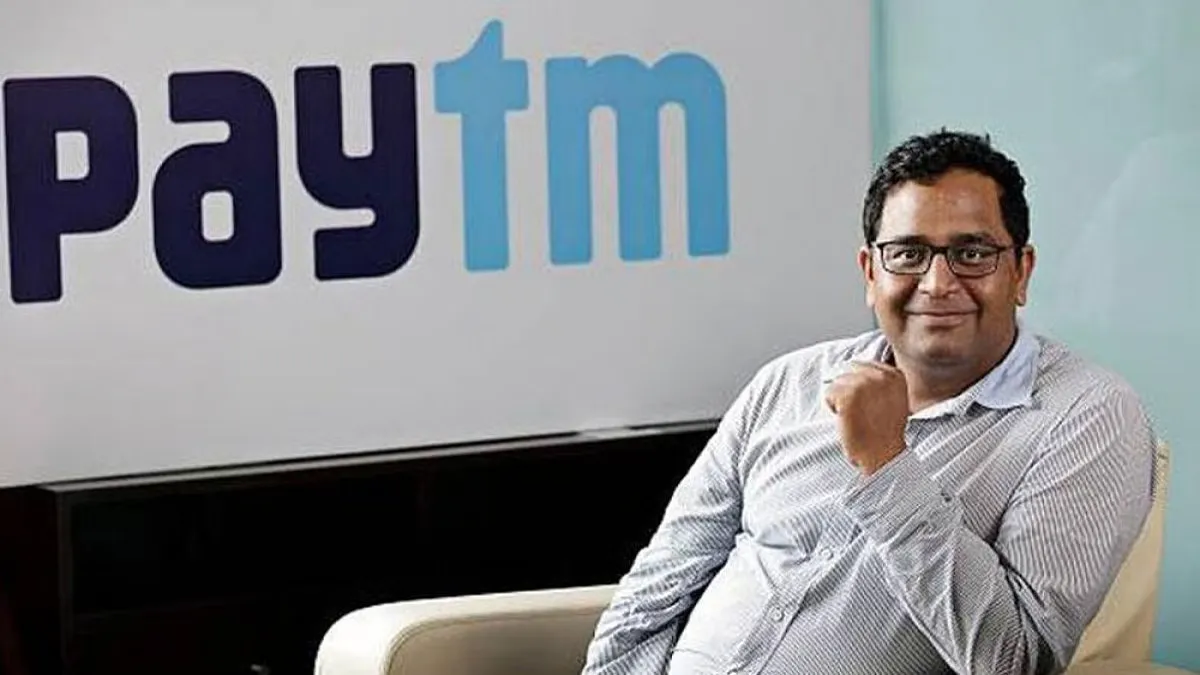
A fresh shareholding manoeuvre at One97 Communications, the parent company of Paytm, has again put the spotlight on the delicate ownership arrangements that have shaped India's best-known fintech brand since its 2021 public listing. Resilient, an investment entity linked to Paytm founder and chief executive Vijay Shekhar Sharma, is reported to be selling a 4.98% stake in the company, in a transaction structured in a way that positions Ant Group affiliate Antfin as the principal beneficiary.
The move is the latest in a long sequence of stake adjustments involving Paytm's two most consequential shareholder blocs: its founder-controlled entities and the Chinese-linked Ant Group, whose earlier significant ownership of the company became a point of regulatory and political sensitivity in India following the tightening of rules around investment from neighbouring countries. Over the past several years, Antfin has progressively pared down its direct holding in Paytm, even as it has retained interest in the company's fortunes through structured arrangements of exactly this kind — deals that allow capital to move between parties without triggering the regulatory friction associated with a straightforward open-market stake increase by a China-linked investor.
For Sharma, the transaction is consistent with a broader pattern of consolidating and reshuffling his personal holding vehicles as Paytm has worked to rebuild investor confidence following a turbulent stretch that included a Reserve Bank of India crackdown on its payments bank arm. Since then, the company has pivoted its narrative toward core payments processing, merchant services and lending distribution, while working to demonstrate that its capital structure and governance are stable enough to support a sustained re-rating on the stock market.
Analysts tracking Paytm's shareholding pattern have noted that transactions of this nature, while modest in absolute percentage terms, matter disproportionately to market sentiment because they are read as signals of the founder's confidence — or lack thereof — in near-term stock performance, as well as indicators of how legacy investors are managing their exposure. A transaction that channels value toward Antfin, even indirectly, will likely draw scrutiny from analysts assessing whether India's regulatory posture toward Chinese-linked capital in sensitive financial infrastructure has meaningfully softened, or whether this is simply an artefact of pre-existing contractual obligations between the two parties dating back to Paytm's early growth years.
Looking ahead, the transaction is unlikely to alter Paytm's operational trajectory in any material way, but it adds another data point to the increasingly complex map of who holds what in one of India's most closely watched listed fintech companies. As the company continues its push toward sustainable profitability under renewed regulatory clarity, investors will be parsing every shareholding disclosure for clues about long-term ownership stability — a factor that has, at various points over the past four years, weighed as heavily on Paytm's valuation as its underlying business performance.
To understand why even a sub-5% stake movement draws this level of attention, it helps to revisit the events that first brought Paytm's ownership structure under intense regulatory scrutiny. Following India's 2020 tightening of foreign direct investment rules for entities based in countries sharing a land border with India — a policy shift widely understood to target Chinese capital following border tensions — any transaction involving Chinese-linked shareholders in Indian companies, particularly those operating in sensitive sectors like digital payments, has faced additional layers of regulatory review. Antfin's historical position as one of Paytm's largest early backers meant that its gradual stake reduction over subsequent years was watched as closely by New Delhi's policy establishment as by the investment community.
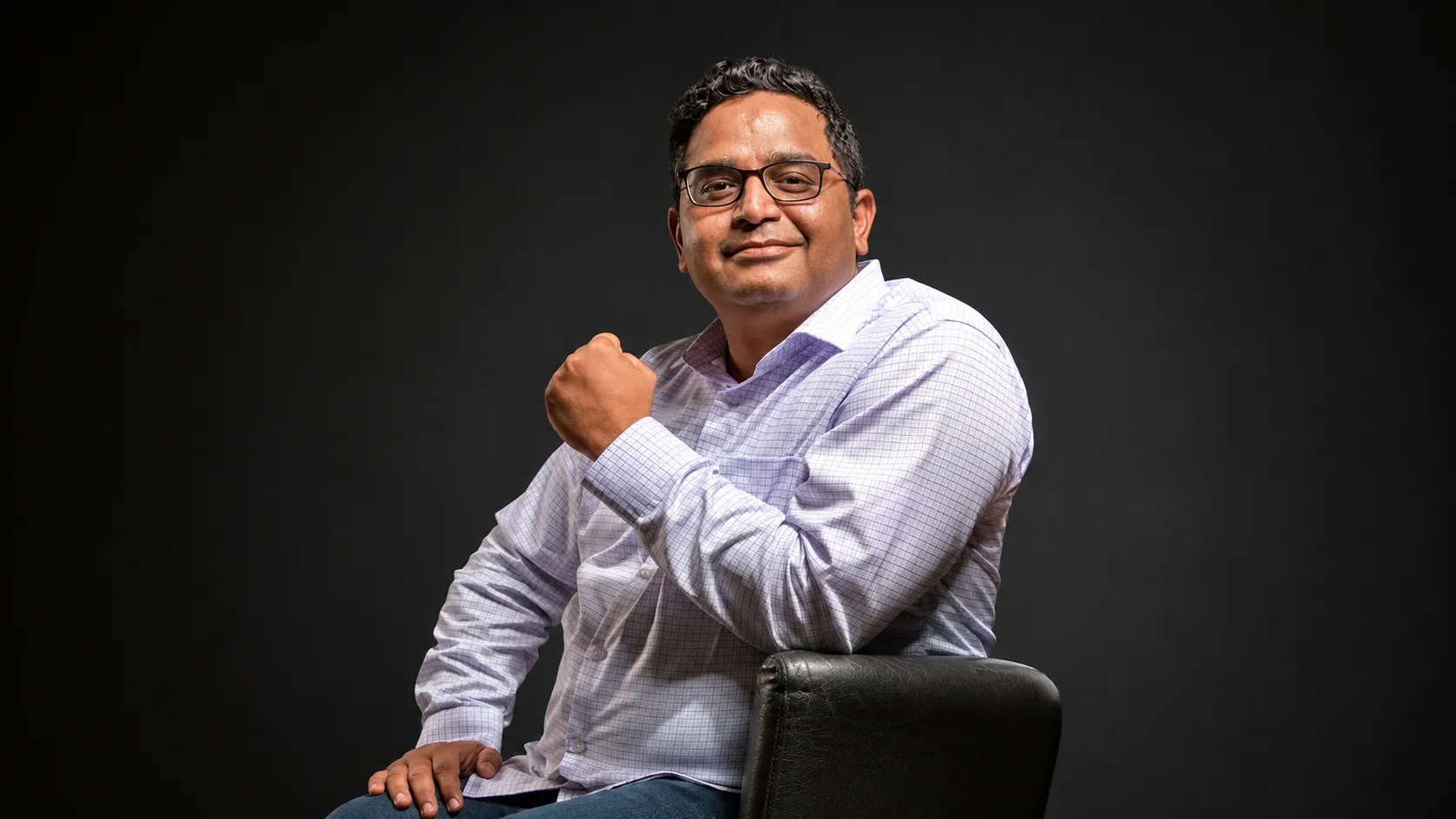
For Sharma personally, the restructuring of holding entities like Resilient also reflects the practical realities of managing a large, concentrated equity position in a listed company subject to constant market scrutiny. Founder-promoters of major Indian technology companies have increasingly turned to structured holding vehicles both to manage tax efficiency and to create mechanisms for measured stake adjustments without triggering the kind of abrupt, headline-grabbing block deals that can unsettle minority shareholders. Whether this particular transaction was primarily driven by Sharma's own portfolio management considerations, contractual obligations tied to earlier agreements with Antfin, or some combination of both, remains a matter of market speculation given the limited public disclosure typically accompanying such structured transactions.
Paytm's broader business fundamentals, meanwhile, continue to be the primary determinant of how the stock performs over any extended time horizon, shareholding manoeuvres notwithstanding. The company has spent the past two years methodically rebuilding its payments and lending distribution business following the Reserve Bank of India's 2024 restrictions on its banking arm, a process that has involved diversifying its lending partner network, strengthening its merchant payments franchise, and demonstrating a credible path toward sustained profitability — an outcome that eluded the company for much of its post-IPO history. Investors assessing the long-term investment case for Paytm continue to weigh this operational recovery story more heavily than individual shareholding transactions of the kind reported this week.
As India's fintech regulatory environment continues to mature, transactions like this one will likely remain a recurring feature of the market's information flow — closely parsed by analysts, but rarely determinative of long-term equity value on their own. What they do offer is a continuing window into the delicate, sometimes opaque relationships between founders, early strategic investors and regulators that continue to shape ownership dynamics at some of India's most prominent listed technology companies.
Market watchers will also be tracking how this transaction is disclosed through subsequent regulatory filings, given the Securities and Exchange Board of India's increasingly stringent disclosure norms around promoter and significant shareholder transactions at listed companies. Any further clarity on transaction pricing, timing and the precise contractual mechanics linking Resilient and Antfin would help settle lingering market questions about whether this represents a one-off structured arrangement or the continuation of a longer-term, pre-agreed unwinding of Antfin's historical position in one of India's most closely watched fintech companies.
For minority shareholders and retail investors who have stayed invested in Paytm through its turbulent post-IPO years, the steady normalisation of its shareholding structure carries genuine practical significance beyond the abstractions of corporate finance. A cleaner, more transparent cap table has historically correlated with reduced governance-related volatility in Paytm's stock price, and continued progress on this front is likely to be viewed favourably by the growing base of domestic mutual funds and institutional investors that have gradually increased their exposure to the company as its core payments business has stabilised.