DiasporaImpact7 MIN READ

Flex CEO Revathi Advaithi Pledges $1 Million Scholarship Endowment for Women at Alma Mater BITS Pilani

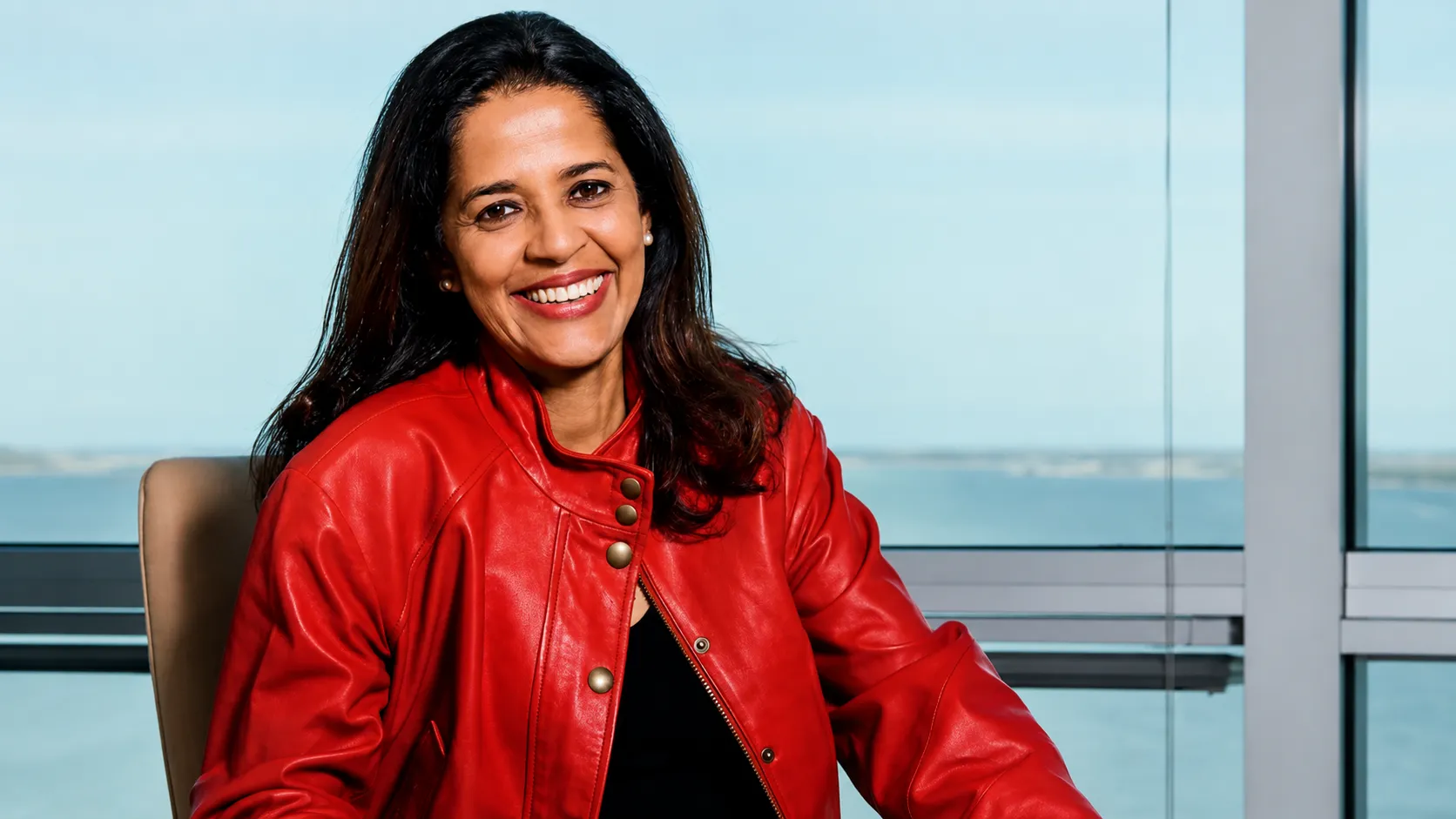
Indian American business leader Revathi Advaithi, CEO of Fortune 500 manufacturer Flex, and her husband Jeevan Mulgund have pledged a $1 million permanent scholarship endowment for economically disadvantaged women students at BITS Pilani, Advaithi's alma mater.

By Shaym Kumar · Author10 August 2026New
Flex CEO Revathi Advaithi Pledges $1 Million Scholarship Endowment for Women at Alma Mater BITS Pilani

Revathi Advaithi, the Indian American chief executive of Fortune 500 manufacturing and supply-chain giant Flex, has pledged $1 million to establish a permanent scholarship endowment for economically disadvantaged women students at her alma mater, the Birla Institute of Technology and Science (BITS), Pilani. The gift, made jointly with her husband, manufacturing technology leader and investor Jeevan Mulgund, will fund the Visalam Swamy and Sucheta Mulgund Scholarship, named in honour of the couple's mothers — a tribute the two have described as an acknowledgment of the women who shaped their own paths into engineering and business leadership.

The announcement was made during BITS Pilani's Convocation 2026 at its Pilani campus, where Advaithi returned as chief guest to address a graduating class of 1,477 students spanning undergraduate, postgraduate, and doctoral programmes. According to the institute, the cohort comprised 1,087 undergraduate students, 271 postgraduate students, and 119 PhD scholars — one of the university's larger graduating classes in recent years, and a fitting backdrop for a gift explicitly designed to widen access for the students who will follow them.

The scholarship's purpose is narrowly and deliberately defined: to ensure, in the institute's own words, that financial circumstances do not prevent a talented young woman from receiving a BITS Pilani education. That framing matters, because BITS Pilani — unlike India's government-funded engineering institutes such as the IITs — operates without the same scale of centrally subsidised tuition, meaning cost has historically been a more significant barrier to entry for students from lower-income households, particularly women from families where investment in a daughter's technical education is not always a given.

Advaithi's own history with the institute lends the gift a particular resonance. She graduated from BITS Pilani in 1990 with a degree in mechanical engineering, and was, by her own account, the only woman in her graduating class in that discipline — a detail that places the scale of change the endowment is meant to accelerate in sharp relief. Three and a half decades on, an Indian-origin woman engineer from that same campus now leads a global manufacturing company employing close to 140,000 people across roughly 30 countries, and is using that platform to fund the kind of access she once had to fight disproportionately hard to secure.

Advaithi has led Flex since 2019, overseeing a company whose operations span healthcare, automotive, communications, and consumer technology manufacturing, and whose scale places it among the more consequential, if less publicly visible, companies in global supply chains. Under her tenure, the company has pushed further into advanced manufacturing technology, supply-chain resilience, and sustainable production practices — themes that have taken on outsized importance as global manufacturers navigate a more fractured, geopolitically sensitive trade environment. Before Flex, she held senior leadership roles at Eaton and Honeywell, building a three-decade career in industrial and manufacturing leadership that culminated in her current position atop a Fortune 500 company.
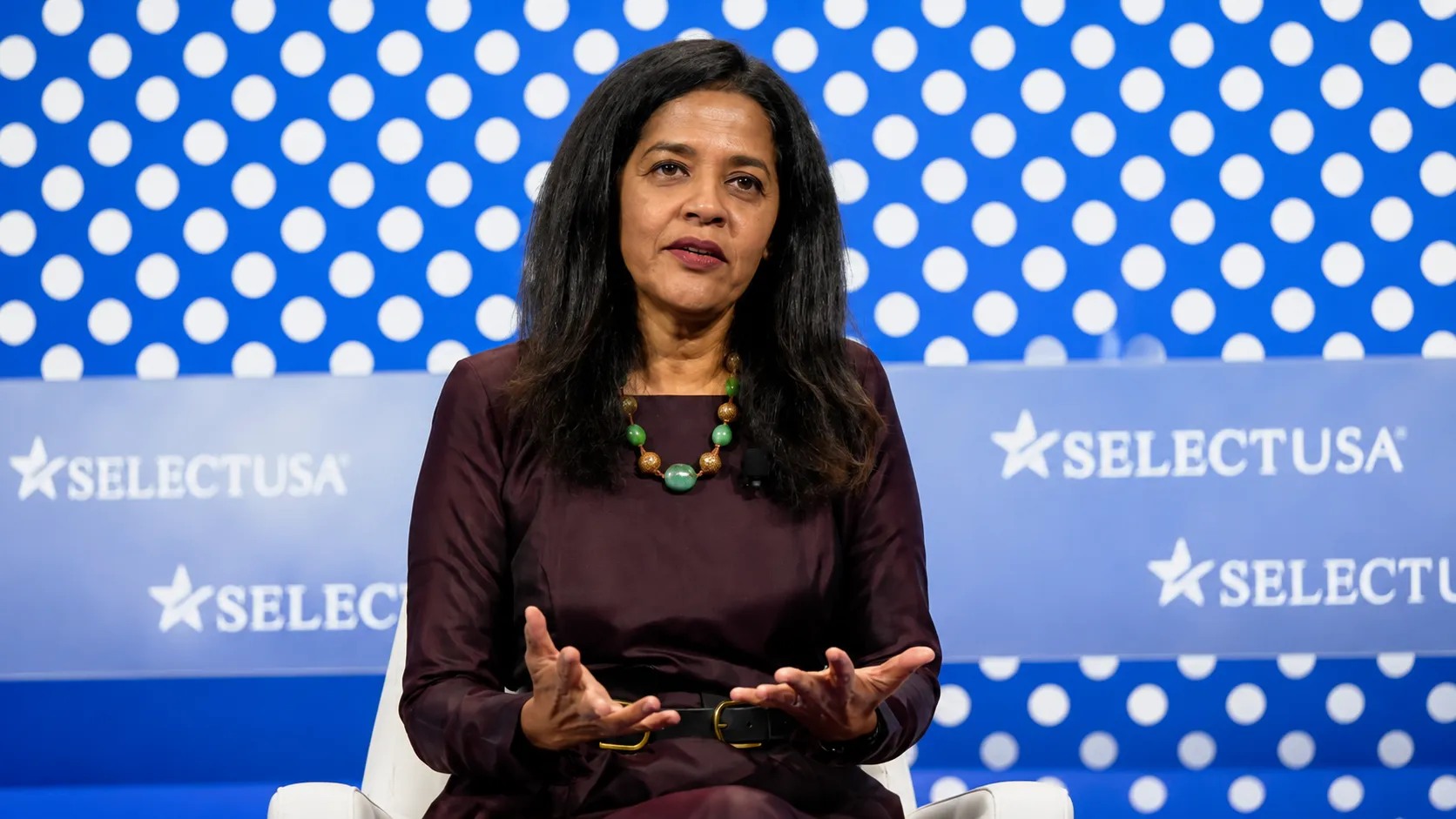

I came from India after graduating from engineering college to Oklahoma, and like many immigrant journeys, mine was a leap of faith rooted in the simple idea that access creates opportunity.
Revathi Advaithi, CEO, Flex

image.png

That career has also drawn recognition well beyond the manufacturing sector itself. Advaithi has been named among Fortune's Most Powerful Women in Business, was recognised as Fast Company's 2025 Modern CEO of the Year, and was featured on CNBC's inaugural Changemakers list. In 2023, then-President Joe Biden appointed her to the Advisory Committee for Trade Policy and Negotiations and the Advisory Committee on Supply Chain Competitiveness — appointments that placed her, alongside a small number of other Indian American executives, inside the policy conversations shaping US trade and industrial strategy.

In her convocation address, Advaithi traced her own journey from a factory floor in Shawnee, Oklahoma — her first professional posting after arriving in the United States — to the executive suite of a global manufacturer, framing the arc explicitly around access and opportunity rather than individual exceptionalism alone. She described managing workers on heavy machinery early in her career, an experience she has said shaped her enduring belief that opportunity, properly extended, compounds across a working life rather than simply opening a single door. Her account of that period, and of the mother who raised five daughters alone after the death of her father and insisted each receive a quality education, has become a recurring thread in how she discusses the motivations behind the endowment.

That personal narrative — an engineering graduate from a mid-sized Indian technical institute building a career across England, Shanghai, Phoenix, and Pittsburgh before settling in the San Francisco Bay Area — is, in its broad contours, a familiar one within the Indian American diaspora's first generation of globally mobile technical professionals. What distinguishes Advaithi's version of it is the scale of the platform she has since built, and her evident intent to use that platform, and the capital that comes with it, to widen the on-ramp for the next generation of women engineers coming up through the same institution that trained her.

For BITS Pilani, the endowment adds to a growing pattern of alumni-funded giving that the institute has actively cultivated in recent years as it works to expand financial aid without relying solely on tuition revenue or government funding. For the wider Indian American business community, Advaithi's gift is likely to be read as part of a broader, increasingly visible trend: senior diaspora executives converting career success into structured, named philanthropic commitments aimed specifically at expanding access for women in STEM fields back in India — a form of giving back that ties personal biography, institutional loyalty, and a deliberate bet on future talent into a single, permanent commitment.

TagsRevathi AdvaithiFlexBITS PilaniIndian American CEOWomen in STEMPhilanthropyIndian Diaspora USACorporate Leadership

Reader reviews

Sign in to rate and review this article.
Loading reviews…

