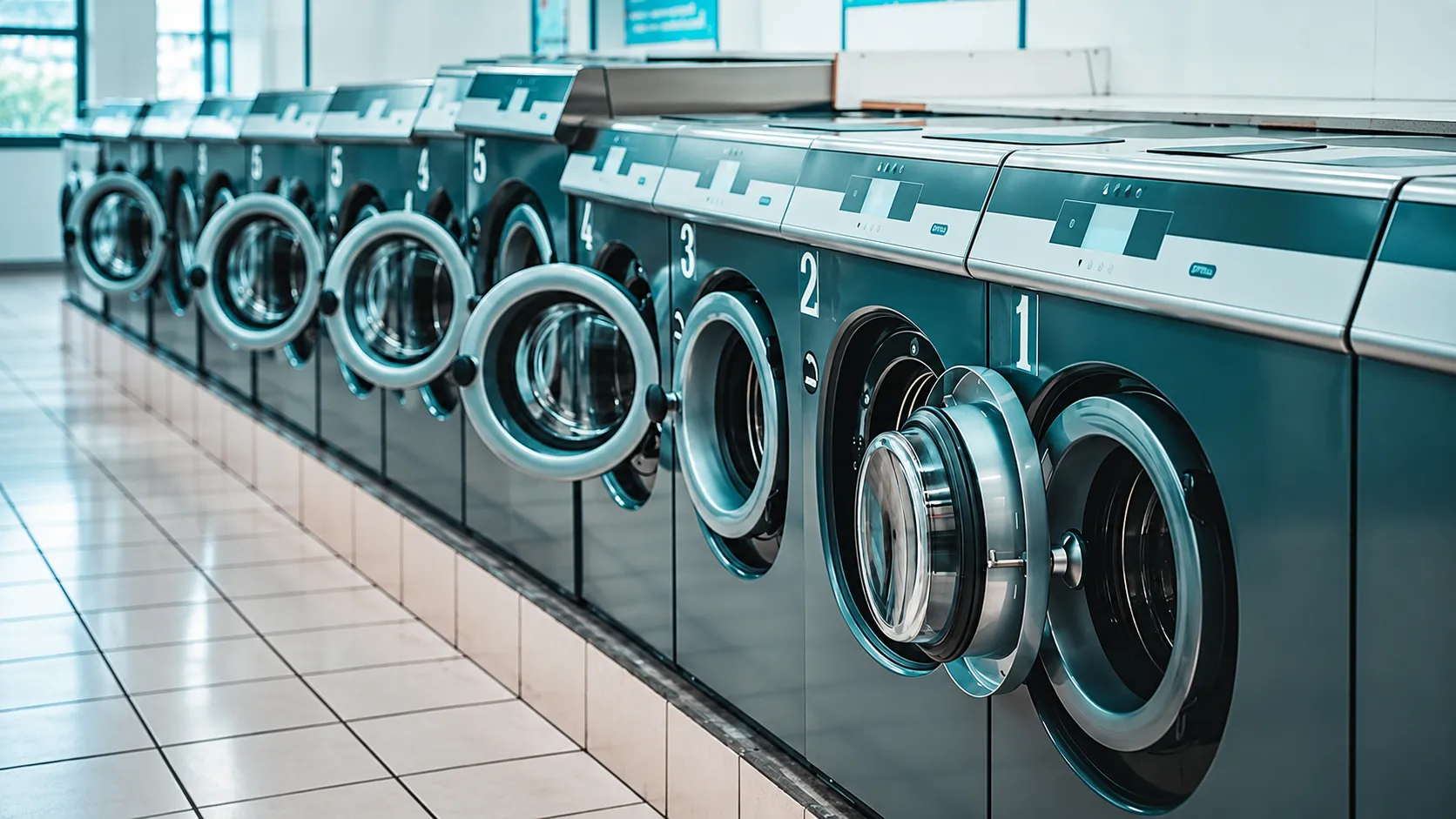
Walk into almost any Indian neighbourhood and there is likely to be a laundry or ironing shop that has served the same streets for years. It is usually run by one person, with no brand, no standard process and little recourse for a customer whose shirt comes back damaged or late. Laundry remains one of the largest everyday services in India that is still overwhelmingly unorganised.
REVIVO, a laundry and dry-cleaning brand co-founded in 2022 by Vikas Agarwal and Khushboo Gupta, is trying to change that through franchising. In a profile published on 1 October 2026, the company set out how it is using a franchise-led network, app-based ordering and more sustainable processes to build a branded service in a fragmented market.
From local shop to branded network
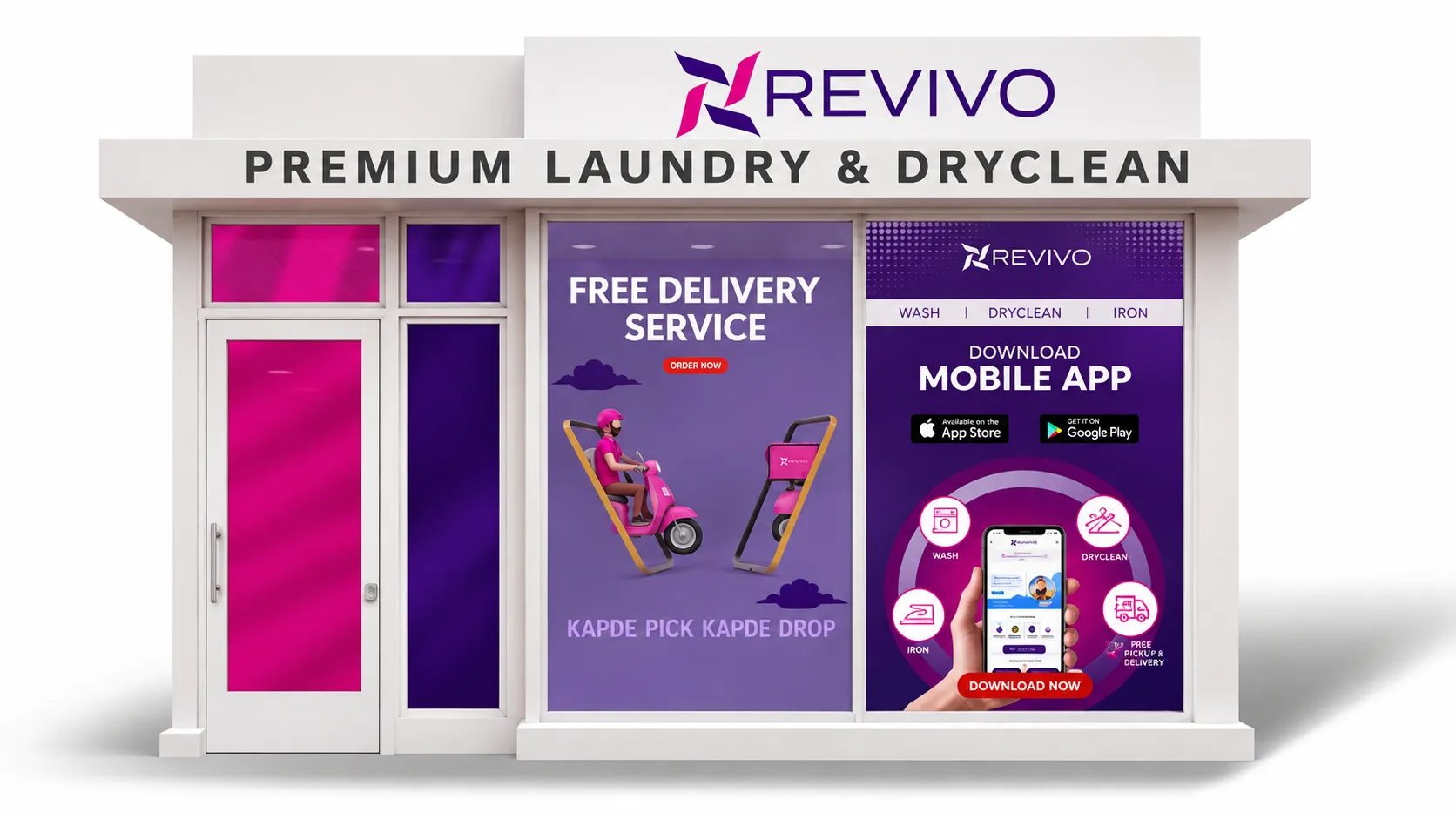
REVIVO operates as a franchise brand that offers pickup and delivery laundry and dry-cleaning services, which customers book through its mobile app. Its services cover regular washing, dry cleaning for clothes and home textiles such as curtains and carpets, and an express ironing service for customers short on time.
The company now has more than 50 stores across Delhi, Gurugram, Faridabad, Lucknow, Bengaluru, Hyderabad, Ludhiana, Mohali and Pune. It plans to focus future expansion on tier-two cities, where organised laundry services are scarce but rising incomes and busier lifestyles are creating demand.
Its model, which it calls a "Live Laundromat", targets locations with natural footfall, such as residential markets and co-living areas. The company says it works to build demand in an area before a franchise outlet launches, so that new stores do not start from zero.
Once a store is operational, franchise partners receive ongoing support with staffing, equipment and daily processes. The aim is to keep service quality identical across locations, a common challenge for franchise businesses in India.
Founders from India's top business schools
Vikas Agarwal is a graduate of an Indian Institute of Technology and holds an MBA from IIM Ahmedabad. Khushboo Gupta is a graduate of the Faculty of Management Studies at Delhi University, with a background in research and analytics. Their backgrounds are typical of a new generation of Indian founders applying corporate operating discipline to traditional service businesses that have long been run informally.
Gupta's role as co-founder also makes REVIVO one of a small number of women co-led companies in India's home services and franchising sector, an area where women are frequently the main customers but rarely the business builders.
Sustainability as a selling point
REVIVO has made environmental practices part of its brand. Garments are processed using imported machinery and organic cleaning agents. The company is also trying to reduce plastic use through reusable and bio-compostable packaging, in an industry where garments are typically returned in single-use plastic covers.
Conventional dry cleaning has long raised environmental and health concerns, particularly over solvents used in the process. Industrial washing also consumes large volumes of water and energy. As urban consumers become more aware of these issues, a brand that offers cleaner processes and less packaging may be able to command a premium and build loyalty.
Those claims will need to be backed by consistent practice across the franchise network, since sustainability promises are only as strong as their implementation in every store.
Backed by angel network and government recognition
REVIVO has raised funding from Inflection Point Ventures, one of India's largest angel investment networks, and holds recognition from the Department for Promotion of Industry and Internal Trade (DPIIT) as a registered startup. DPIIT recognition can give startups access to certain tax benefits, easier compliance and government procurement opportunities.
The economics of franchising
Franchising allows a brand to expand quickly without bearing the full cost of opening and running every outlet. Franchise partners invest in the store and equipment, while the brand provides its name, technology, processes, training and marketing. In return, the brand typically earns fees and a share of revenue.
The model has worked well in Indian food service, education and retail, but it carries risks. Quality can vary between outlets, franchise partners may struggle to earn returns if demand is weaker than expected, and disputes can damage the brand. Success depends on choosing good locations, training partners well and maintaining strong central oversight.
For laundry, the model has particular advantages. The service is local by nature, customers value convenience and reliability, and demand is recurring, since clothes always need cleaning. A well-run store in a dense neighbourhood can build a loyal base of regular customers.
A market ready for organisation
Several trends support REVIVO's thesis. India's cities are adding millions of young professionals living away from home, often in rented apartments or co-living spaces without washing machines or domestic help. Dual-income households have less time for chores. And consumers have grown used to app-based services for food, groceries and transport, making them more willing to book laundry the same way.
Earlier attempts to build app-only laundry startups in India struggled with high delivery costs and low order values. REVIVO's combination of physical stores and pickup services aims to balance those economics by using stores as both processing hubs and walk-in points.
Jobs and local entrepreneurship
Laundry is a labour-intensive business, and a branded franchise network creates employment for washers, ironing staff, delivery riders and store managers. For franchise partners, it offers a way to run a small business with an established brand, training and supply chain, rather than starting from scratch. In tier-two cities, where formal job opportunities are more limited, such franchise opportunities can appeal to first-time entrepreneurs, including women looking to start a business close to home.
The challenge is to make the economics work for every partner. Franchise brands that expand too quickly often see weaker outlets close, which can damage confidence among prospective partners. REVIVO's approach of building demand before a store opens is designed to reduce that risk.
The road ahead
REVIVO's next phase will test whether it can expand across smaller cities while keeping quality consistent and making its franchise partners profitable. If it can, it may show how one of India's most traditional services can be brought into the organised economy, creating local businesses and jobs while offering customers a more reliable and more sustainable alternative to the neighbourhood dhobi.


