TechFuture Tech5 MIN READ

Rivian's R2 Powers a Record Quarter, but a Battery Recall Shows the Strain of a Fast Ramp-Up

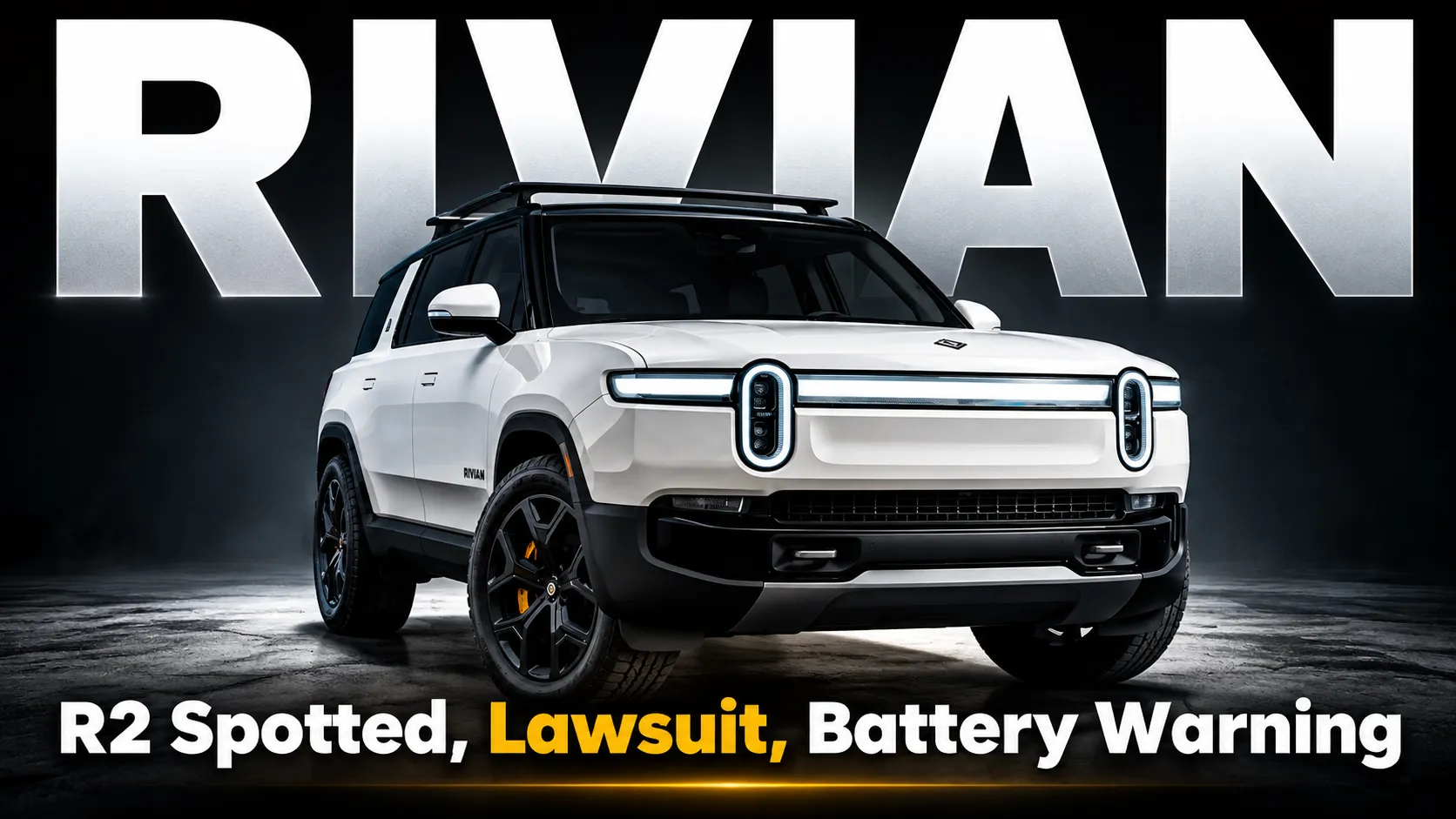
Rivian delivered 19,248 vehicles in the third quarter, up 45% year on year, as its cheaper R2 SUV completed its first full quarter. On the same day it recalled a small number of R2s over under-tightened battery fasteners.

3 October 2026New
Rivian's R2 Powers a Record Quarter, but a Battery Recall Shows the Strain of a Fast Ramp-Up

Rivian has reported the strongest sales quarter in its history, powered by the first full three months of deliveries of its new, lower-priced R2 sport utility vehicle. But on the same day, 2 October, the company also announced a recall affecting a small number of R2s, a reminder of the manufacturing challenges that come with ramping up a new vehicle at speed.

The California-based electric vehicle maker delivered 19,248 vehicles in the third quarter and produced 19,751, according to TechCrunch. Deliveries were 45% higher than in the same period of 2025, a sharp acceleration for a company whose sales had stalled at around 50,000 vehicles a year.

Rivian said the R2's launch had been among the fastest for any electric vehicle in the United States, second only to Tesla's Model Y. The company is targeting 20,000 to 25,000 R2 deliveries by the end of the year and full-year sales of 65,000 to 70,000 vehicles across its line-up, which would be its best year on record.

The recall, though small, drew attention because it involves the high-voltage battery pack, the heart of any electric vehicle.

Why the R2 matters

Rivian built its reputation on the R1T pickup and R1S SUV, well-reviewed vehicles aimed at affluent buyers and priced accordingly. Those models established the brand but limited its market. The R2 is designed to change that.

Launched in June 2026, the R2 starts at just under $60,000, and Rivian plans cheaper versions priced around $45,000. That places it in direct competition with Tesla's Model Y, the best-selling electric vehicle in the United States, and with a growing number of mid-sized electric SUVs from legacy carmakers.

The vehicle is built at Rivian's plant in Normal, Illinois. The company is also building a new factory in Georgia with capacity for up to 300,000 vehicles a year, which will be central to scaling R2 production and future models.

The timing has been favourable. Tesla's US sales fell nearly 20% year on year in the third quarter, according to Cox Automotive data, as the brand faced consumer backlash and an ageing line-up. Some of those buyers appear to be looking for alternatives, and the R2 offers a fresh design from a brand with strong appeal among outdoor and adventure-minded customers.
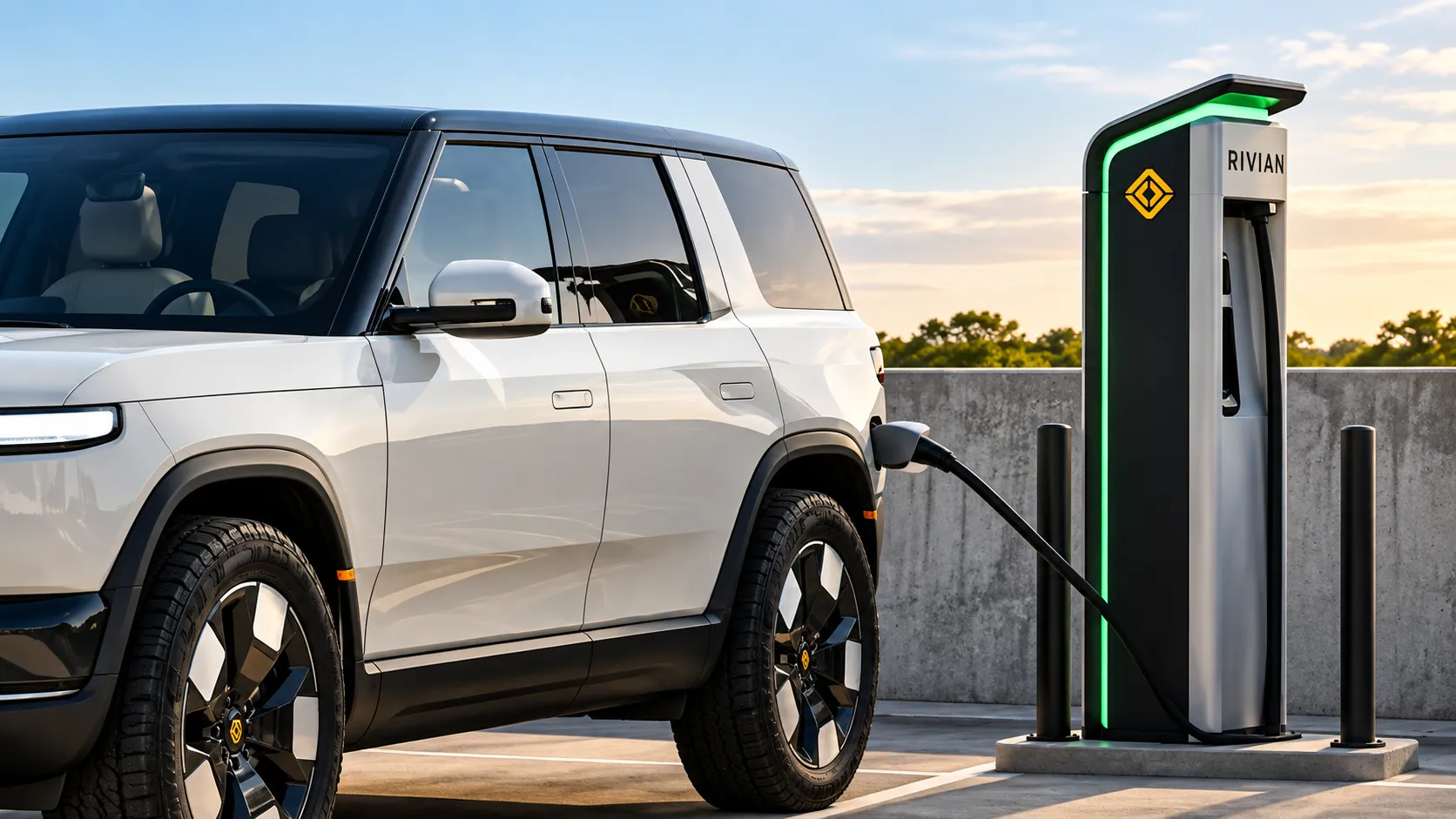
Rivian SUV at Sunrise Charger.png

The recall

The recall concerns fasteners on the R2's high-voltage battery pack that were not tightened to specification. A manufacturing operator at the Normal plant discovered on 17 September that an automated station had "under torqued" one of the fasteners, according to TechCrunch's report on the regulatory filing.

The defect can cause a loss of power while driving, a serious safety risk. One owner reported that their service centre told them to stop driving immediately and had the vehicle towed. Late in September, users on Reddit and the RivianTrackr blog had begun discussing the issue before the formal recall was announced.

The good news for Rivian is that the scope is narrow. Approximately 14 vehicles may be affected, and the company said it is not aware of any customer reports, accidents, injuries or fatalities related to the issue. The recall has been filed with the National Highway Traffic Safety Administration under number 26V625000.

Rivian will repair or replace damaged components as needed. It has also reprogrammed the automated assembly station so that it rejects fasteners that have not been tightened correctly, addressing the root cause on the production line.


“Second only to Tesla's Model Y in terms of fastest-selling EV launches in US history.”
— Rivian, on the R2 launch, as reported by TechCrunch

This is the second recall for the R2. In August, the company recalled vehicles over a backup camera visibility issue, which it addressed through an over-the-air software update.

The price of speed

Recalls in the early months of a new vehicle's production are not unusual. New assembly lines combine thousands of processes, many of them automated, and small calibration errors can slip through until quality checks or customer reports catch them. What matters is how quickly a manufacturer detects problems and how effectively it fixes them.

In this case, an operator caught the problem, and the number of affected vehicles is small. But battery-related defects attract particular scrutiny because of the safety stakes, and electric vehicle makers have learned that consumer confidence can be fragile. Rivian, which has spent years building a reputation for quality, will be keen to show that its fixes are robust as R2 volumes climb.

Strategy beyond the vehicle

Rivian is also repositioning itself for the next phase of the automotive industry. It has signed a deal with Uber for robotaxi versions of the R2, a partnership that could give it a significant fleet customer as ride-hailing companies prepare for autonomous services.

To fund that ambition, Rivian has delayed its goal of reaching profitability in 2027 so that it can invest more in autonomous driving capabilities. That decision reflects a bet that autonomy will be a defining feature of future vehicles, and that falling behind would be more costly than delaying profits.

The company has strong backers. Amazon, an early investor, uses Rivian's electric delivery vans in its logistics network. Volkswagen Group formed a joint venture with Rivian in 2024 to develop software and electrical architecture, committing up to $5.8 billion to the partnership. These relationships give Rivian revenue streams and technology partnerships beyond its consumer vehicles. Investors responded to the delivery figures as evidence that Rivian's long-awaited volume model is gaining traction, although the company still needs to show that higher volumes can translate into better margins.

A crowded and difficult market

Rivian is growing in a challenging environment. The US electric vehicle market has slowed since federal purchase incentives were withdrawn, and many legacy carmakers have scaled back their EV plans. Tariffs and supply chain costs have added pressure. Chinese manufacturers, which dominate global EV production, are largely absent from the US market but continue to set price benchmarks elsewhere.

In that context, a 45% jump in deliveries stands out. It suggests that well-designed products at competitive prices can still find buyers, even as the overall market matures. The R2's early success will also be watched in other markets, as Rivian has signalled ambitions beyond North America.

For global observers, including in India, where electric car sales hit a record in September, the Rivian story illustrates a broader theme: the electric vehicle industry is moving from early adopters to mass-market buyers, and companies that can deliver affordable, reliable products will be the ones that survive the transition.

Rivian's task now is to keep scaling R2 production while maintaining quality. A record quarter shows that demand is there. The recall shows how much attention the details still require.

TagsRivianR2Electric VehiclesEV SalesRecallNHTSARJ ScaringeUberRobotaxiNormal IllinoisGeorgia FactoryClean MobilityAutomotiveFuture Tech

Reader reviews

Sign in to rate and review this article.
Loading reviews…