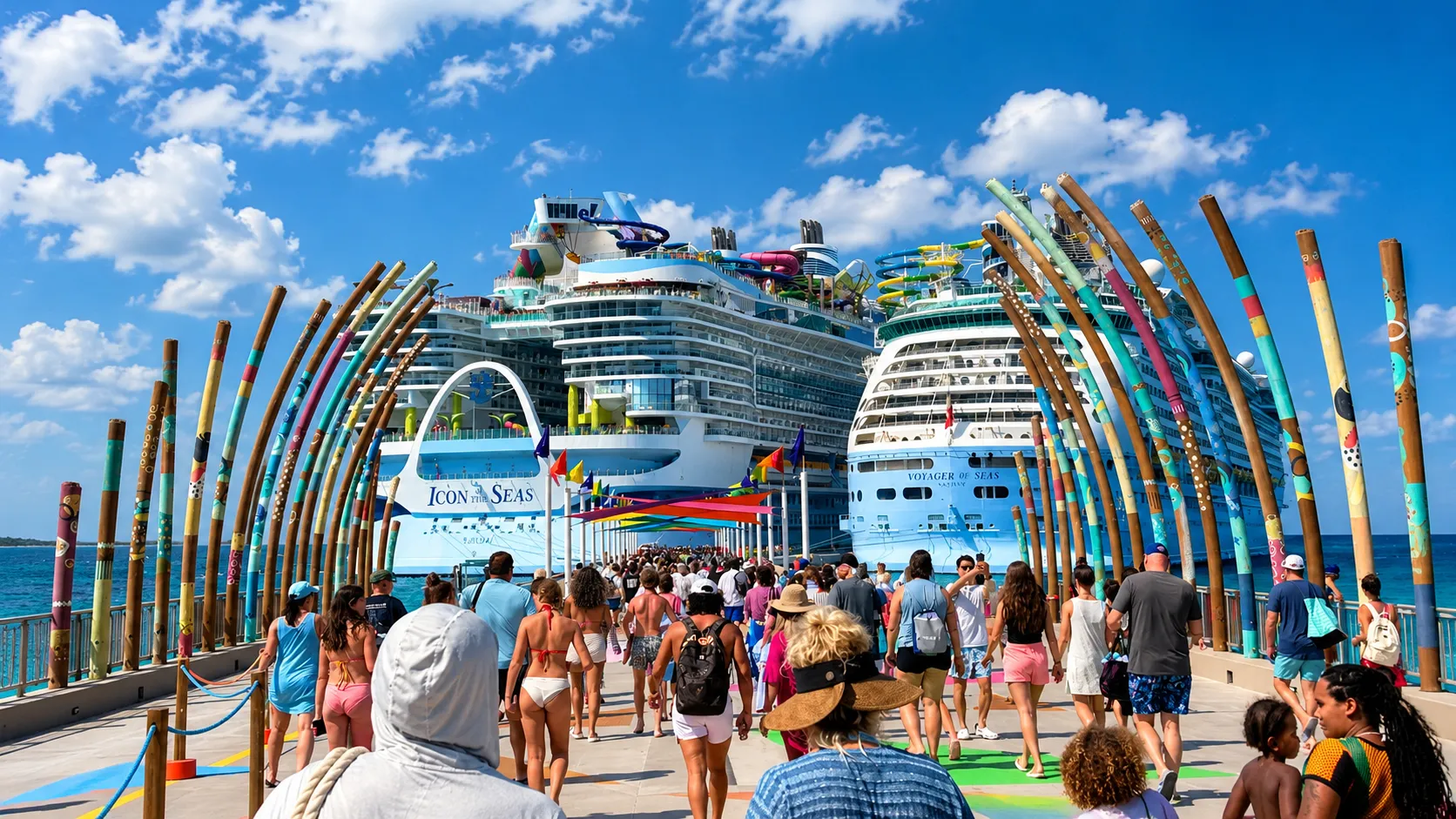
Despite high fuel prices and global uncertainty, holidaymakers are still flocking to cruise ships. Royal Caribbean Group has raised its earnings outlook for the year after a strong summer season.
The Miami-based cruise operator reported revenue of $5.6 billion for the third quarter, up 9% from $5.1 billion a year earlier, according to its earnings release on Tuesday, October 27. Diluted earnings per share rose to $6.45 from $5.74, and adjusted earnings per share increased to $6.57 from $5.75.
Royal Caribbean shares rose 5.5% on Tuesday, according to the Associated Press.
Full ships
The company's ships sailed at a load factor of 112%. Cruise lines calculate load factor based on two passengers per cabin, so figures above 100% indicate that many cabins carried three or more guests, typically families with children.
Net yields, a key measure of revenue per available passenger cruise day, rose 0.9% as reported and 0.6% in constant currency.
"Our third quarter results reflect continued strong consumer demand for our vacation experiences," said chief executive Jason Liberty. "The underlying business is performing well ahead of our initial expectations."
Raised outlook
Royal Caribbean raised its full-year 2026 guidance, now expecting adjusted earnings per share of $17.85 to $17.95. The company expects revenue to grow 9% for the year, with net yields up about 2.7% as reported and 2.1% in constant currency.
The release said the outlook was raised despite higher-than-anticipated fuel costs, which partly offset the improvement in earnings.
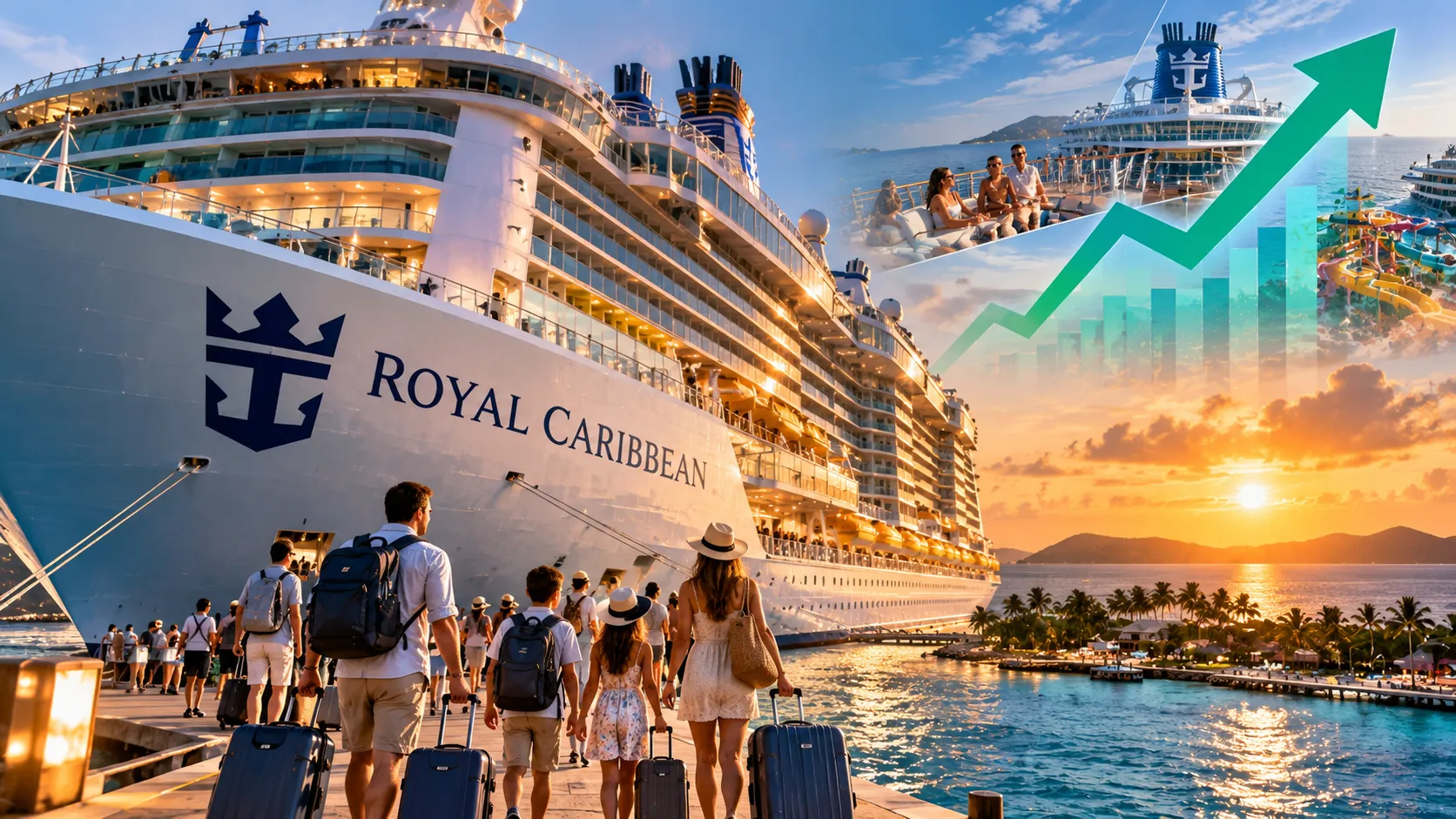
The fuel factor
Fuel is a major cost for cruise lines, and the surge in oil prices this year has been a significant headwind. In the third quarter, Royal Caribbean's fuel expense was $347 million, with bunker fuel costing $778 per metric tonne after hedging.
The company expects fourth-quarter fuel expense of $379 million, with 58% of its fuel needs hedged. For the full year, it expects fuel costs of $1.345 billion. Hedging, in which companies lock in fuel prices in advance, has helped cushion the impact, with average hedged costs of about $471 per tonne for 2026 and $405 for 2027.
A strong 2027
Royal Caribbean's outlook for next year is particularly encouraging. Bookings for 2027 sailings are up by a high-teens percentage, and Liberty said that "2027 bookings are pacing ahead of historical levels at higher rates."
The company expects capacity to grow about 4.5% in 2027, as new ships enter service. It remains on track for its Perfecta programme target of 20% compound annual growth in adjusted earnings per share from 2024 to 2027, implying earnings of more than $20 per share in 2027, based on the current forward fuel curve.
"We are currently already above our ROIC target," Liberty said, referring to return on invested capital.
Beyond cruises
Royal Caribbean is also expanding into land-based vacations. Its investment in Sandals and Beaches Resorts, the Caribbean all-inclusive resort operator, is expected to close in early 2027, and its contribution will be added to guidance at that point.
The move reflects the cruise industry's strategy of capturing more of travellers' vacation spending, including through private island destinations and resort partnerships.
The cruise comeback
The cruise industry has made a remarkable recovery since the pandemic, when ships were idled for more than a year and companies took on huge debts to survive. Demand has since surged, driven in part by younger travellers and families attracted by the value and variety of cruise holidays.
Cruise lines have benefited from what the industry describes as a value gap with land-based vacations, as cruise prices include accommodation, food and entertainment.
What it means for India
India is an emerging market for the cruise industry. Rising incomes and a growing middle class have increased outbound travel, and cruise lines have targeted Indian travellers with sailings from Singapore, Dubai and Europe. Domestic cruises along India's coastline have also grown, supported by government efforts to develop cruise tourism and port infrastructure.
Strong global demand for cruises, as reflected in Royal Caribbean's results, could encourage cruise lines to expand their presence in Asian markets, including India.
Private destinations and new ships
Royal Caribbean has invested heavily in private island destinations, such as Perfect Day at CocoCay in the Bahamas, which allow it to capture more passenger spending and differentiate its offering. It is also expanding its fleet with larger, more feature-rich ships, including its Icon class vessels, which have proven popular with families.
New ships typically command higher prices and generate stronger returns, helping lift the company's overall yields and profitability. The company's capacity growth of about 4.5% next year reflects new ships entering service.
Debt and recovery
Like other cruise lines, Royal Caribbean borrowed heavily during the pandemic to survive the shutdown of operations. Strong earnings since the restart have allowed it to reduce debt, restore its credit ratings and resume returning capital to shareholders. Its statement that it is already above its return on invested capital target suggests the financial recovery is well advanced.
The consumer behind the numbers
Royal Caribbean's results suggest that consumers, particularly in the United States, continue to prioritise spending on experiences such as travel, even as they face higher prices and interest rates. The cruise industry has benefited from strong demand among families and younger travellers, as well as from its value proposition compared with land-based vacations. Bookings running ahead of historical levels for 2027 suggest that this demand is not limited to the current year.
Competitors
Carnival and Norwegian Cruise Line Holdings, Royal Caribbean's main rivals, have also reported strong demand, though they carry more debt. Investors will compare the three companies' outlooks in the coming weeks.
What comes next
Investors will watch Royal Caribbean's fourth-quarter results and its guidance for 2027, which the company will provide early next year. The trajectory of fuel prices and consumer spending will be key variables. For now, the company's results suggest that demand for cruise vacations remains strong despite economic headwinds. Travel industry analysts will also follow how fuel prices, consumer confidence and geopolitical developments affect bookings for the 2027 season, which the company has described as pacing ahead of historical levels. Strong pricing and full ships would support continued earnings growth even if fuel costs remain elevated. The company's experience will also be watched by hotels and airlines, which compete for the same holiday budgets.