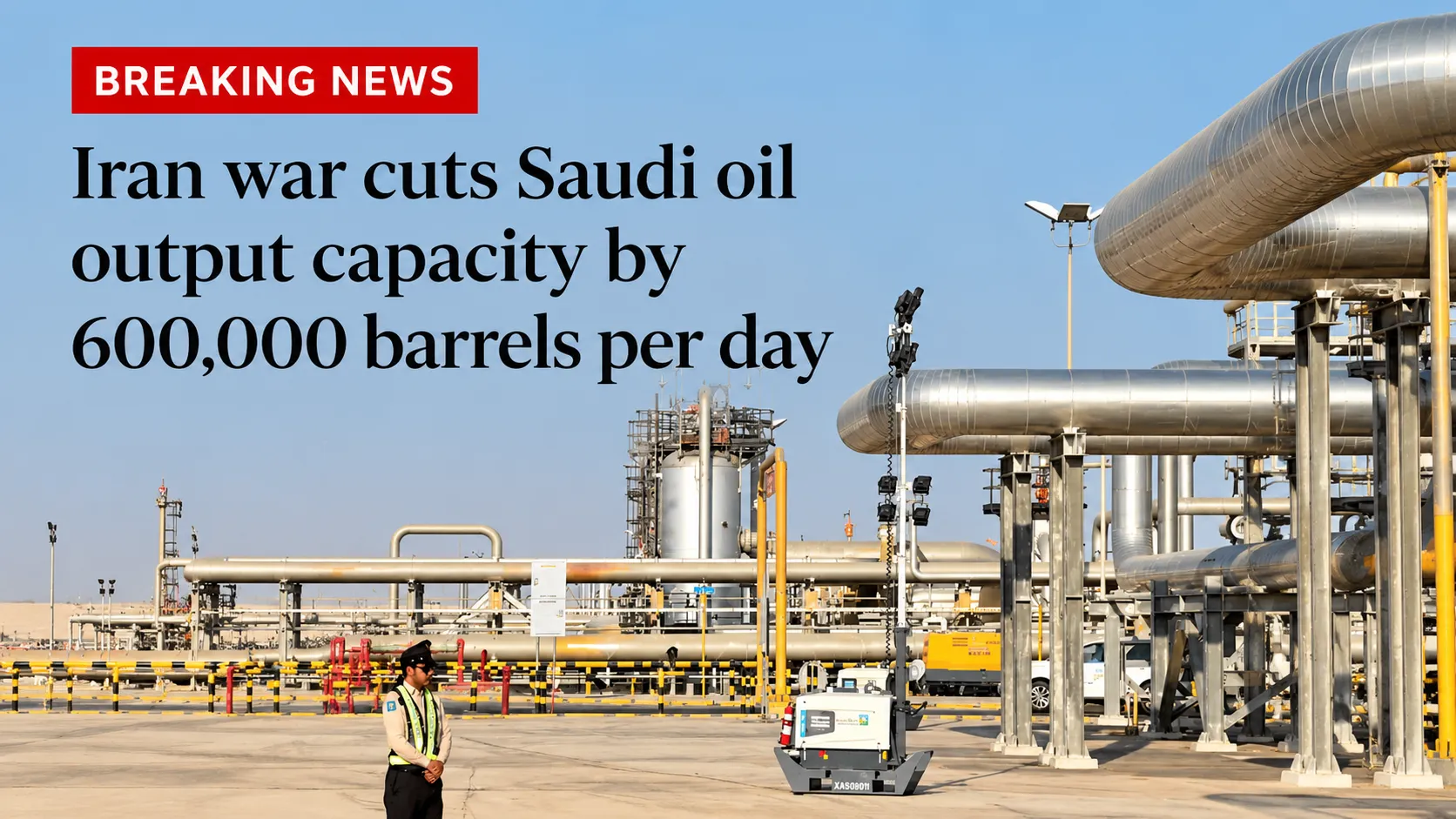
Saudi Arabia has restored its crude oil exports to pre-war levels, even as fighting in the region has intensified and one of its most important pipelines was knocked out of service.
The kingdom is exporting about 6 million barrels per day (bpd) of crude in September, according to data from trade intelligence firm Kpler reported by CNBC on September 25. That is the highest level since the war involving Iran began about seven months ago, and a surge of nearly 80 per cent from the 3.4 million bpd exported in August.
The September figure brings Saudi shipments back to roughly their 2025 monthly average, a notable recovery given the disruption the region's energy trade has faced this year. Estimates from different tanker-tracking services vary, and some put the September figure lower, but all point to a sharp rebound.
Exports up, despite a pipeline outage
The recovery is all the more striking because Saudi Arabia closed its East-West pipeline this month after it was damaged in a drone attack launched from Iraq.
The pipeline, which carries crude from the kingdom's eastern oil fields to the port of Yanbu on the Red Sea, is a critical strategic asset. It gives Saudi Arabia an export route that bypasses the Strait of Hormuz, the narrow waterway between Iran and Oman through which a large share of the world's seaborne oil normally passes. With Hormuz shipping disrupted by the conflict, the pipeline had become especially important.
According to reporting summarised by Briefs, Reuters reported that the pipeline restarted mid-week at reduced rates, with throughput increasing. Saudi Aramco chief executive Amin Nasser has indicated that such interruptions to infrastructure typically last "days, not weeks or months", although the company has not provided a specific restart confirmation.
Where the barrels are going
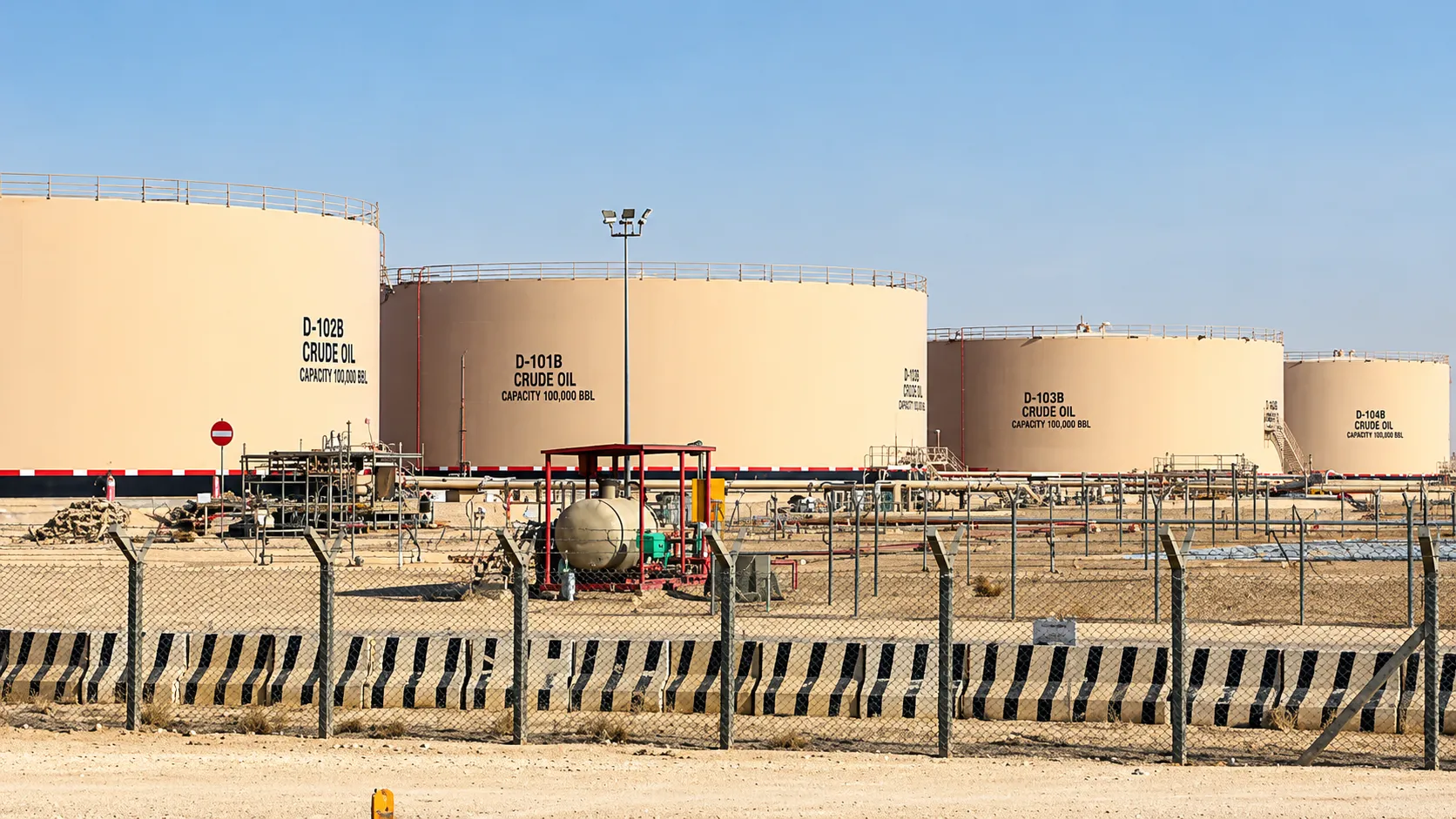
With the western route constrained, the surge in exports has come largely through the kingdom's Gulf coast terminals, which means tankers must pass through the Strait of Hormuz. Bloomberg reported that a surge in shipments from Saudi Arabia's Gulf ports drove exports to their highest since the war began.
Traffic through Hormuz has partly recovered but remains below normal. According to Kpler data cited by Briefs, seven-day average flows through the strait stood at about 13.2 million bpd, compared with around 17 million bpd before the conflict. The US military has established a protected shipping lane along the coast of Oman, which has helped tankers move through the area.
Price impact
The pipeline closure briefly jolted oil markets. Brent crude spiked to nearly $110 a barrel after the shutdown, before easing as supply concerns diminished.
By Friday, prices had fallen further on hopes that the Strait of Hormuz could reopen fully. Brent settled at about $104 a barrel, and US benchmark West Texas Intermediate at about $92, as Iran signalled interest in returning to a memorandum of understanding with the United States from June.
Higher Saudi exports add to the supply available to the market and help cap prices. But the fact that most of those barrels must pass through a conflict zone means risk remains elevated. Insurance costs for tankers in the region have risen sharply this year, and any new attack on shipping could send prices higher again.