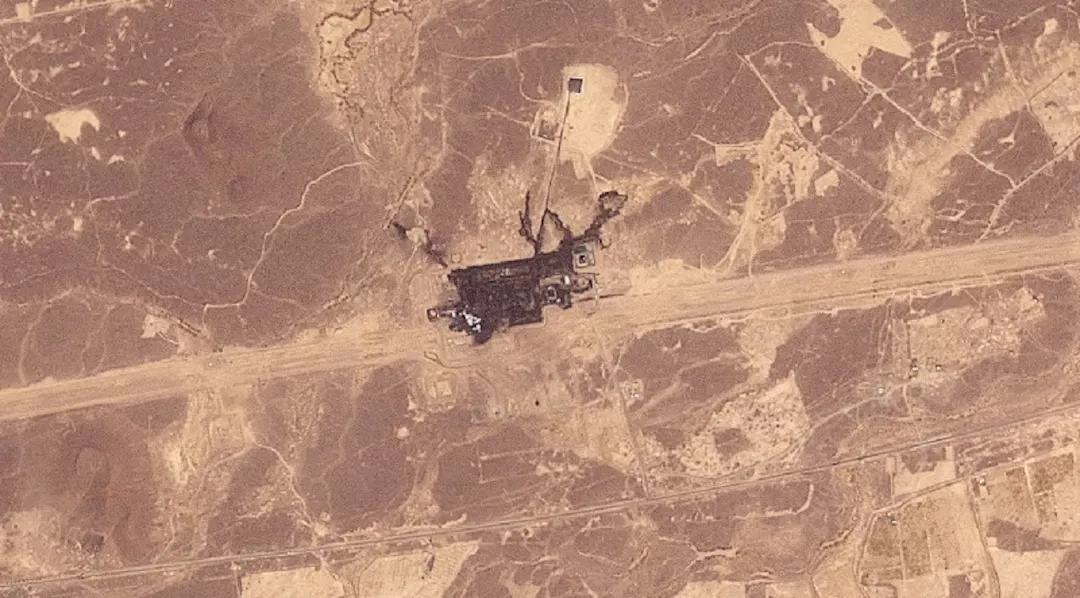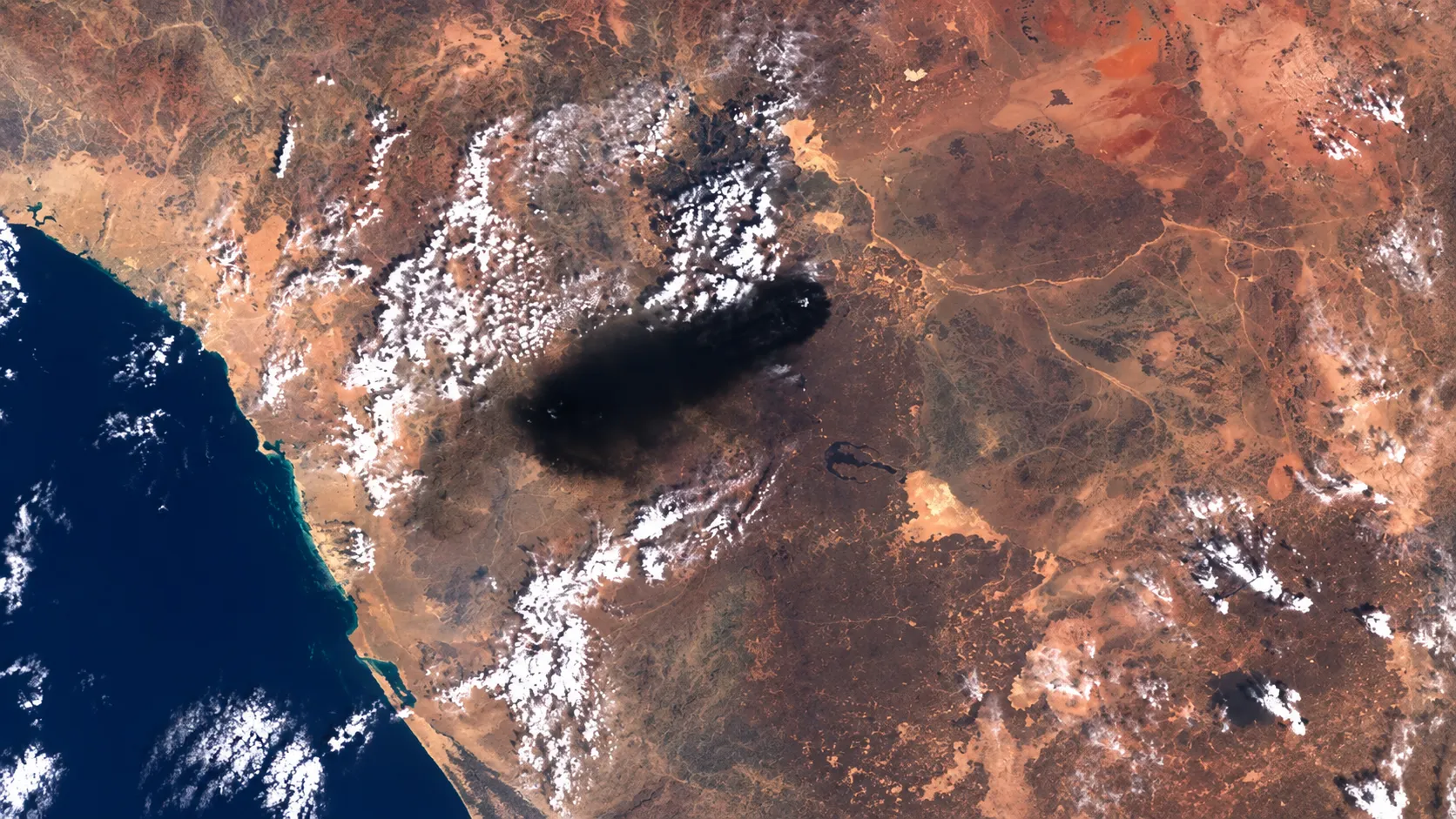
Saudi Arabia has shut down a critical oil pipeline as tensions deepen across the Gulf region, a development that arrived alongside the postponement of talks between Iran and Gulf states, pushing oil prices sharply higher and adding fresh pressure to global energy markets already navigating a period of sustained volatility tied to the broader regional conflict affecting Middle Eastern energy infrastructure and shipping routes throughout 2026. The pipeline shutdown represents a direct and immediate supply disruption, distinct from the more diffuse market anxiety that has characterised much of the year's oil price volatility, given the pipeline's specific role in Saudi Arabia's broader crude oil export and domestic distribution infrastructure. The postponement of talks between Iran and Gulf states removes, at least temporarily, one of the diplomatic pathways markets had been monitoring as a potential mechanism for de-escalating the broader regional tensions that have periodically disrupted energy markets throughout the year, extending a pattern of intermittent diplomatic engagement followed by renewed escalation that has made the trajectory of the broader Gulf conflict difficult for market participants to confidently forecast even over relatively short time horizons.
Oil markets have shown sustained sensitivity to developments affecting Gulf region energy infrastructure and shipping routes throughout 2026, given the region's continued outsized importance to global crude oil supply despite years of diversification efforts by major oil-importing economies seeking to reduce their dependence on Middle Eastern crude specifically. The specific pipeline affected by this latest shutdown plays a meaningful role within Saudi Arabia's broader crude oil logistics infrastructure, and its closure, even if temporary, removes meaningful supply capacity from global markets at a moment when overall oil market conditions have already been characterised by elevated prices and persistent supply-side uncertainty tied to the broader regional conflict. The combination of the pipeline shutdown and the postponed diplomatic talks compounds existing market uncertainty about the trajectory of the broader Gulf conflict, with market participants increasingly pricing in a meaningful probability that current tensions could persist or escalate further rather than moving toward the kind of negotiated resolution that would typically be expected to ease the substantial risk premium that has become embedded within oil prices throughout the extended period of regional instability.
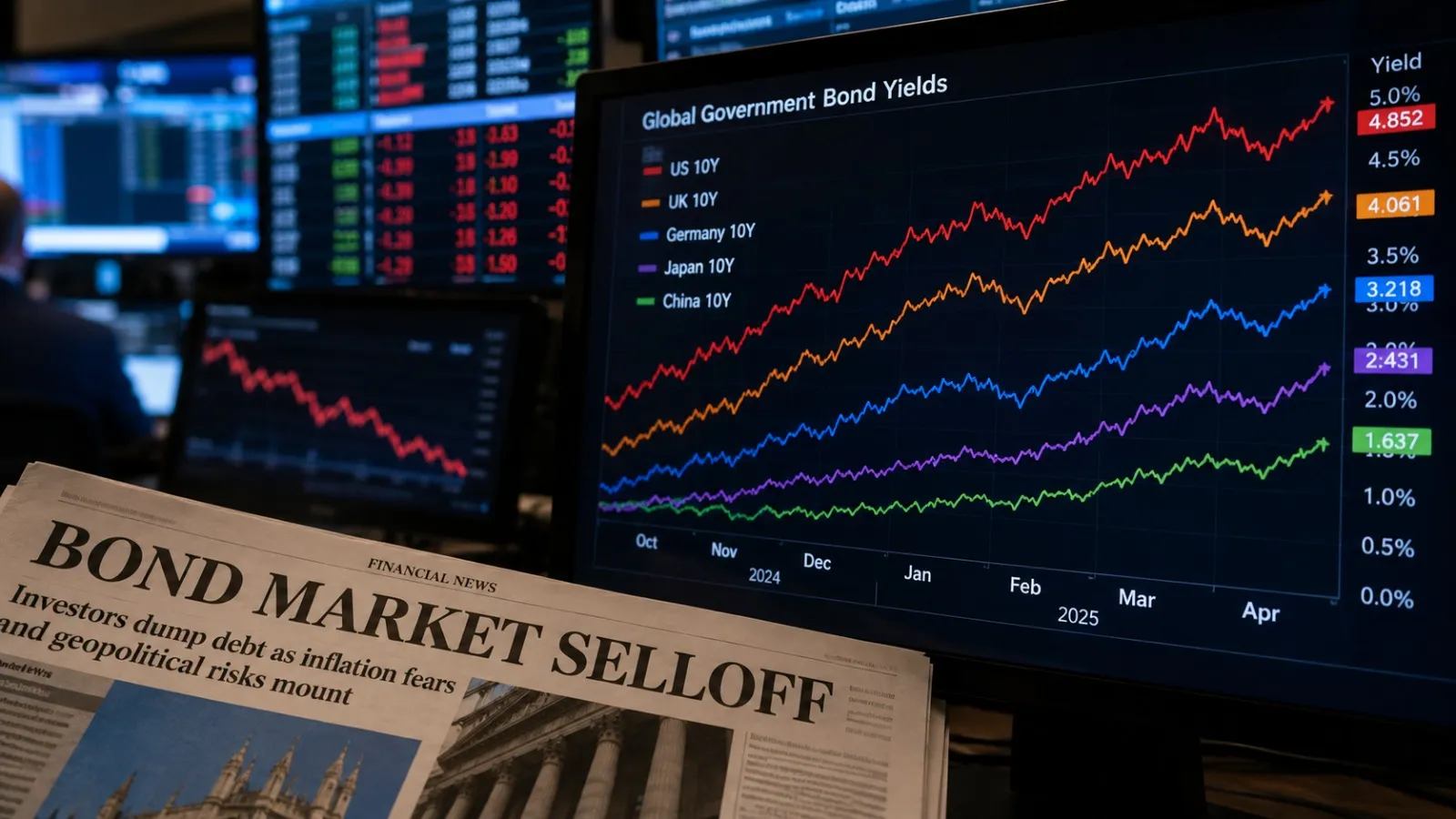
For global energy markets more broadly, the Saudi pipeline shutdown adds to an already complex supply picture shaped by the broader Gulf conflict's cumulative effects across the year, including previous disruptions affecting shipping through critical maritime chokepoints and periodic attacks on energy infrastructure across the region that have collectively kept oil prices elevated well above levels that would typically be expected given underlying global supply and demand fundamentals absent the geopolitical risk premium currently embedded in pricing. This latest disruption reinforces the pattern that has characterised oil markets throughout the year, in which periods of relative calm have repeatedly given way to renewed escalation and fresh supply concerns, making sustained price stabilisation difficult to achieve even during intervals when acute tensions have temporarily eased. Downstream implications of sustained elevated oil prices extend well beyond the energy sector itself, contributing to broader inflationary pressure across the global economy at a moment when central banks including the US Federal Reserve are already navigating a difficult balance between addressing persistent inflation and avoiding excessive economic growth deceleration, a tension that elevated energy costs, driven substantially by the ongoing Gulf conflict, has continued to complicate throughout 2026.