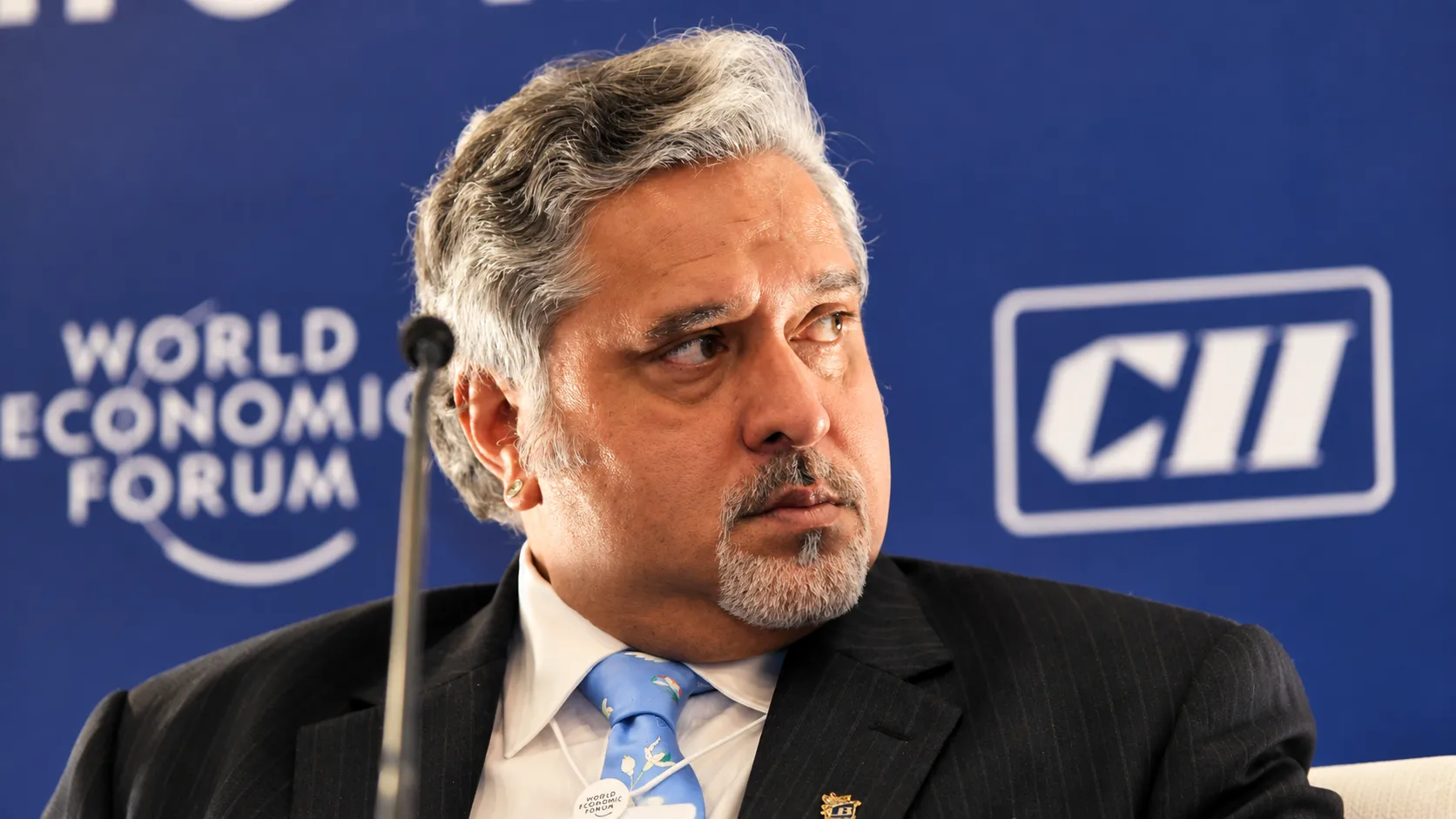
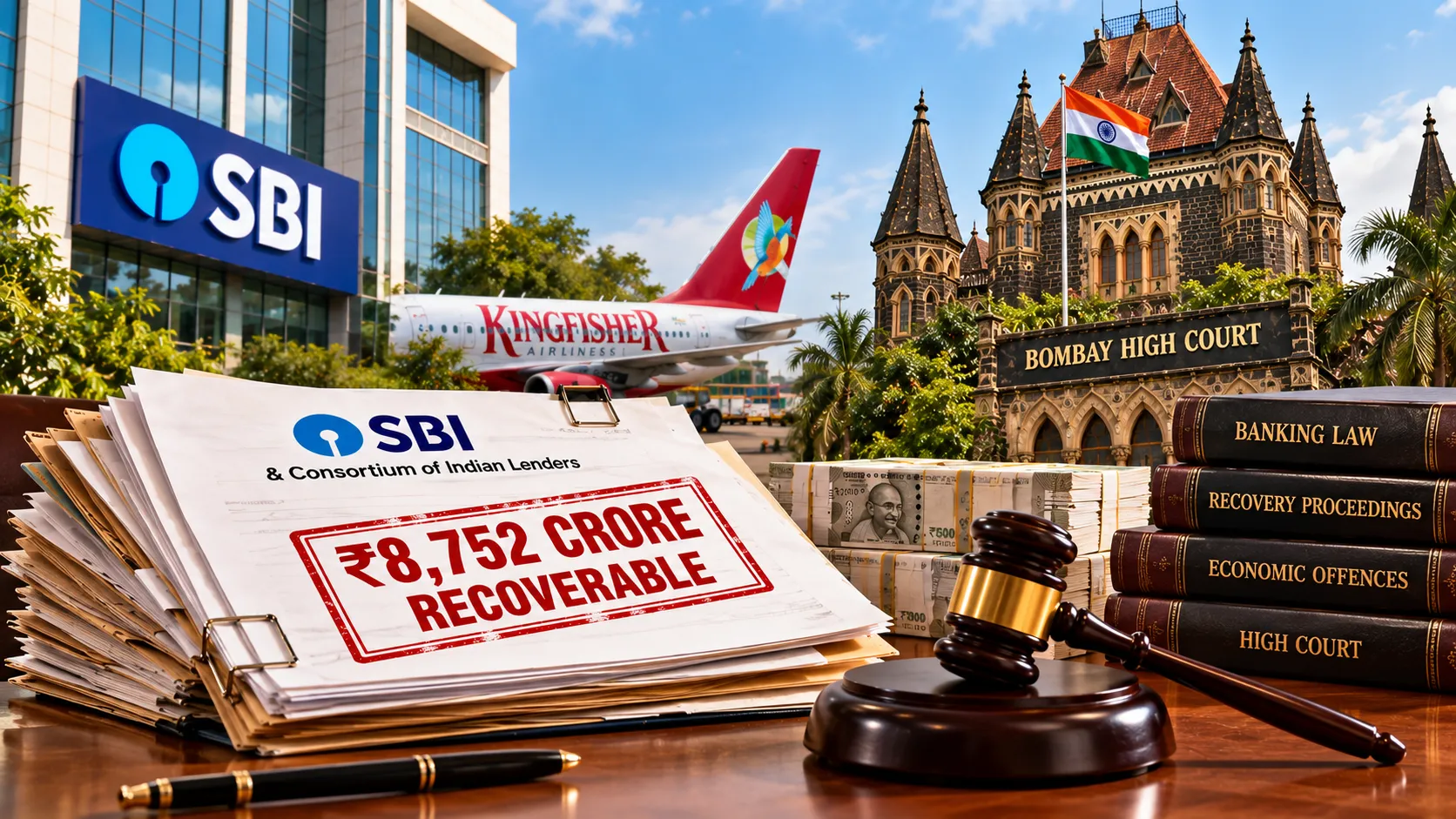
A consortium of Indian lenders led by the State Bank of India has told the Bombay High Court that nearly ₹8,752 crore remains recoverable from Vijay Mallya, the former chairman of the defunct Kingfisher Airlines, pushing back against his long-standing argument that the banks have already been repaid in full.
In an affidavit filed in the court, the lenders said the outstanding amount was recoverable as of 31 August 2026, according to a report by The Economic Times cited by Business Today on 3 October. The figure stands even after the debt recovery officer has reclaimed ₹10,270 crore so far, the banks said.
The affidavit responds to a petition Mallya filed in 2020 seeking the dismissal of criminal proceedings against him. He argued that his dispute with the banks had been settled because they had fully recovered their dues, and in fact recovered more than he owed. The banks' position is that once interest and legal costs are accounted for, the debt is far from extinguished.
The Enforcement Directorate has already filed its response in the matter. Last month, the High Court directed SBI to file its reply, which led to the latest disclosure. The court is scheduled to hear the case next on 13 October.
The dispute in brief
At the heart of the case is a disagreement about arithmetic and law. Mallya's side has pointed to the large sums banks have recovered through the sale of attached assets, including shares, and argued that these exceed the principal amount of the loans extended to Kingfisher Airlines. On that basis, he has contended that continuing criminal proceedings against him is unjustified.
The lenders counter that the relevant figure is not just the original principal. Under the terms of the loans and the orders of the Debt Recovery Tribunal, interest continued to accrue on the outstanding amount, and the banks have incurred significant legal expenses over more than a decade of litigation in India and abroad. From their perspective, the recovery process is not complete until those additional amounts are paid.
The outcome matters beyond the money itself. If the court accepts that the banks' dues have been substantially met, it could influence how the criminal cases against Mallya proceed. If it accepts the banks' figures, the argument that the dispute is settled loses much of its force.
A decade-long saga
Kingfisher Airlines, once one of India's best-known carriers, stopped flying in 2012 after accumulating heavy losses and debt. The airline had borrowed from a consortium of public and private sector banks, with SBI as lead lender. As the airline collapsed, the loans turned bad, and the banks began recovery proceedings.
Mallya left India in March 2016, shortly after the lenders moved the Supreme Court to recover their dues. He has lived in the United Kingdom since then. In 2019, a special court in Mumbai declared him a fugitive economic offender under a law that allows authorities to confiscate the assets of people who evade prosecution by staying outside the country. The UK government ordered his extradition the same year, but he has not been returned to India.
Over the years, the Enforcement Directorate attached a range of his assets in connection with money laundering investigations. Courts later allowed many of those assets, including shares of United Breweries, to be sold, with the proceeds passed to the lending banks. Those sales account for a large share of the more than ₹10,000 crore the banks have recovered.
What the numbers reveal
The latest affidavit highlights a recurring feature of India's battle with large bad loans: recoveries can be substantial, yet the legal process rarely produces a clean resolution. The Kingfisher case has run for well over a decade and has involved the Debt Recovery Tribunal, the Enforcement Directorate, criminal courts, the Supreme Court and courts in the United Kingdom.
For public sector banks, cases like this tie up management time and legal resources for years. They also shape public perception of the banking system. The Kingfisher episode became a symbol of the bad-loan crisis that weighed on Indian banks in the mid-2010s, when gross non-performing assets surged and the government had to inject large amounts of capital into state-owned lenders.
Since then, the picture has improved considerably. The Insolvency and Bankruptcy Code, introduced in 2016, created a time-bound process for resolving stressed companies and changed the balance of power between lenders and defaulting promoters. Indian banks have cleaned up their balance sheets, and asset quality is far stronger than it was a decade ago. The Mallya case, however, predates much of that reform and continues to move through older legal channels.
The broader accountability question
The case also feeds into a wider debate about how India deals with high-profile defaulters who leave the country. The Fugitive Economic Offenders Act, passed in 2018, was designed partly in response to cases like Mallya's. It allows the state to confiscate assets more quickly when an accused person refuses to return to face trial.
Supporters argue that the law and the asset sales it enabled show that the system can eventually recover money even from absent defendants. Critics point out that more than ten years after Kingfisher's collapse, the principal accused has still not faced trial in India, and the final amount owed remains disputed in court. Bankers say the experience has also changed lending culture. Credit appraisal for large corporate borrowers is more rigorous than it was in the late 2000s, when exposure to infrastructure, aviation and other capital-intensive sectors grew rapidly. Personal guarantees from promoters, once treated as a formality, are now pursued more actively when loans go bad.
What comes next
The 13 October hearing will be closely watched by lawyers, bankers and investors. The court will weigh the banks' calculation of outstanding dues against Mallya's claim that he has already repaid more than he owed. It may also consider the status of the criminal proceedings in light of the recoveries made so far.
Whatever the court decides, the case is unlikely to end soon. Either side could appeal, and the questions of extradition and criminal trial remain unresolved.
For India's banking sector, the lesson of the Kingfisher saga has largely been learned. Lenders today have stronger tools, better risk management and a clearer resolution framework than they did when Kingfisher's loans were extended. But the persistence of this case is a reminder that the costs of past lending mistakes can linger for years, long after the business that borrowed the money has disappeared.