India's securities regulator has cleared the way for four more companies to go public, including the Indian arm of Danish brewer Carlsberg, adding fresh depth to a primary market that has stayed busy even as secondary markets have wobbled.
The Securities and Exchange Board of India has issued its observations on the draft offer documents of Carlsberg India, Matangi Rubber, Ujin Pharma and TMC Transformer, according to an update on the regulator's website reported on 2 October. In SEBI's terminology, issuing observations amounts to approval for a company to proceed with its share sale, typically within a fixed window.
Carlsberg India is the headline name. The company filed its draft papers through SEBI's confidential pre-filing route in July, and earlier reports said it could raise up to $700 million, or about ₹6,600 crore to ₹6,700 crore, through the issue. Because the filing was confidential, details such as the size of the offer, valuation, price band and the split between fresh shares and shares sold by existing holders have not yet been disclosed.
The other three companies span tyres and rubber products, pharmaceutical chemicals and power equipment, reflecting the breadth of businesses now tapping India's equity markets.
Why Carlsberg's listing matters
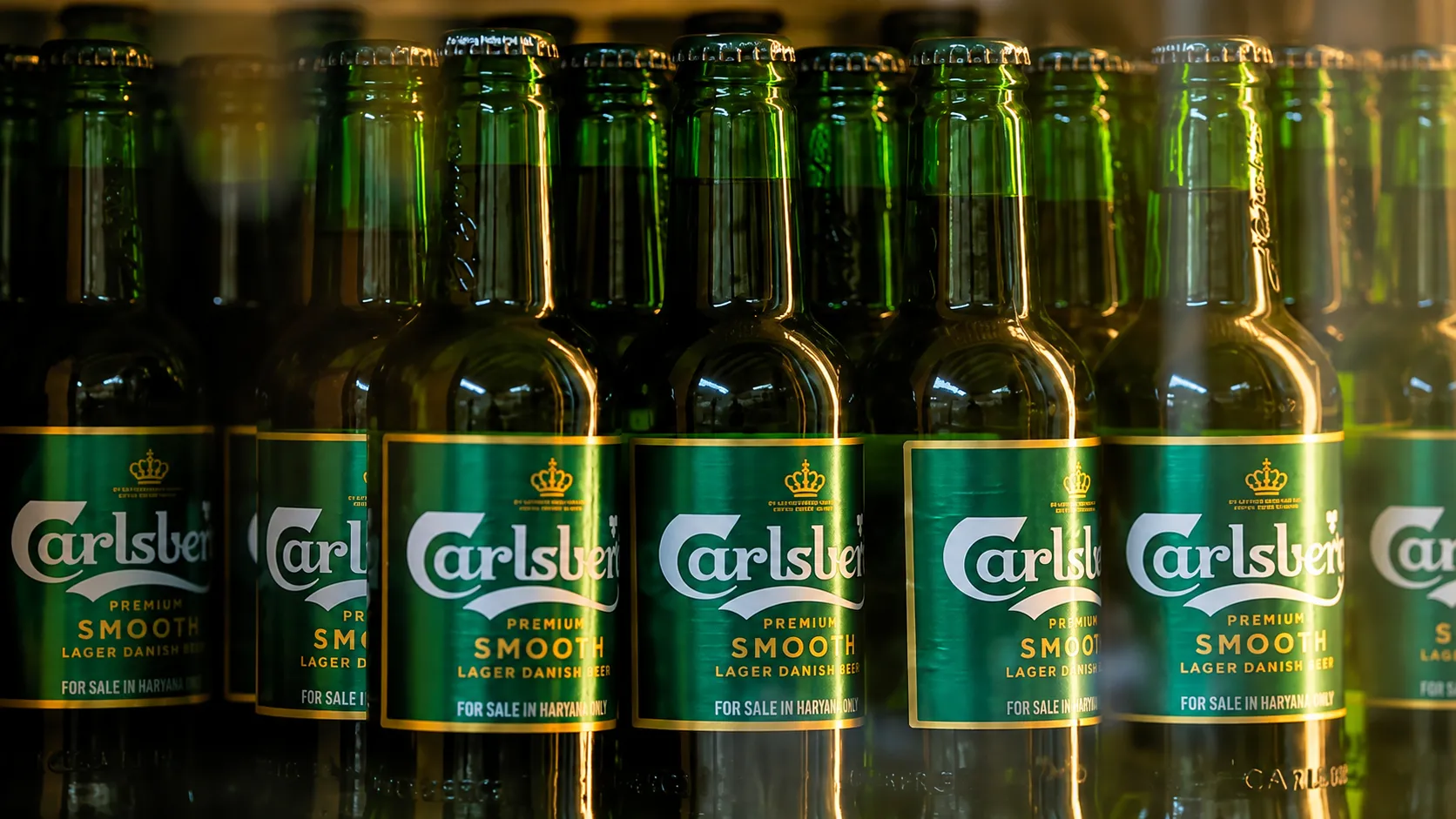
A listing would bring one of India's leading beer makers to public investors. Carlsberg's portfolio in the country is anchored by its Tuborg brand, which has a strong position in the strong beer and premium segments, alongside its namesake Carlsberg label.
India's beer market has attracted global brewers because of its demographics. A large population of young adults, rising disposable incomes and rapid urbanisation have fed steady growth in consumption and a gradual shift towards premium products. Investors have shown consistent appetite for consumption-led businesses, and a large brewer with an established distribution network would offer exposure to that trend.
The sector also carries specific risks that investors will weigh. Alcohol is a state subject in India, which means excise duties, pricing rules, licensing and distribution regulations vary from state to state and can change quickly. Some states operate government-controlled distribution or retail, which can affect pricing power and payment cycles. Prohibition policies in a handful of states limit the addressable market.
The confidential pre-filing route Carlsberg used has become popular with large companies because it allows them to engage with the regulator without publicly disclosing sensitive financial details until they are closer to launch. Several high-profile issuers have used it in recent years, and it gives companies flexibility to time their offers to market conditions.
The other three issuers
Matangi Rubber, based in Delhi, manufactures tyres, tubes, tyre flaps and other rubber products. Its IPO will comprise a fresh issue of 57.61 lakh shares and an offer for sale of 15.15 lakh shares. The company plans to use the proceeds for expansion and debt repayment. It filed its draft papers in May 2026.
Ujin Pharma, based in Mumbai, supplies chemical products. Its issue will consist of a fresh issue of 1.18 crore shares and an offer for sale of 72.82 lakh shares by promoters Jinesh Rasiklal Sheth and Umang Ketan Mehta. The company plans to invest ₹61.7 crore in Altra Agro-Chem and ₹21.6 crore in Altra Pharma-Chem.
TMC Transformer manufactures power and distribution transformers used in electricity infrastructure. SEBI has cleared its proposed ₹550 crore IPO, which will be made up entirely of fresh shares, meaning all the money raised will go to the company rather than to selling shareholders. It filed its draft papers in July 2026.
TMC's offer is likely to draw attention because power equipment makers have been among the strongest performers in Indian markets, buoyed by heavy investment in transmission networks and the build-out of renewable energy capacity. The government recently approved a scheme to strengthen intra-state transmission systems to support the evacuation of up to 135 gigawatts of renewable power, a reminder of the demand pipeline that equipment suppliers are positioning for. ## How the approval process works
A SEBI observation letter is not a guarantee that an IPO will take place. It confirms that the regulator has reviewed the draft offer document and that the company may proceed, subject to any changes the regulator has requested. Under SEBI's rules, issuers generally have 12 months from the date of the observations to open their offer, while the confidential pre-filing route offers a longer window and lets companies keep details private until a later stage.
After clearance, issuers file an updated draft and, closer to launch, a red herring prospectus that sets out the price band, the size of the offer and the reservation for different classes of investors, including qualified institutional buyers, non-institutional investors and retail investors. Many companies use the period between approval and launch to hold roadshows with domestic and foreign funds, gauge demand and fine-tune valuation expectations. Market conditions in the weeks before a launch often decide whether an approved company proceeds or waits. For Indian investors, a successful Carlsberg listing would also add to a small but growing list of listed alcoholic beverage companies, giving fund managers more options in a consumption category that has historically been under-represented on Indian exchanges.
A crowded pipeline
The approvals come at a time when India's primary market is running at record levels. According to PRIME Database, Indian companies raised a record ₹2.43 lakh crore, or about $25 billion, through equity offerings in the first half of FY27, with mainboard IPOs alone raising about ₹94,205 crore across 78 issues. More than 50 companies filed to go public in September alone, and about 250 firms are awaiting IPO approval.
That depth cuts both ways. Strong domestic liquidity, driven by steady flows into mutual funds and systematic investment plans, has allowed large offers to be absorbed. But a crowded calendar also means investors can be selective, and pricing discipline matters more when several issues compete for the same pool of capital.
For Carlsberg India, the timing of the launch will be the key decision. Global brewers have watched how Indian investors valued other multinational subsidiaries that have listed locally, and a well-received offer could encourage more foreign-owned consumer companies to consider Indian listings. A lukewarm response would send the opposite signal.
For now, SEBI's clearance gives all four companies the green light to move ahead. The next step will be filing red herring prospectuses with price bands and offer details, at which point investors will finally see the numbers behind one of the most anticipated consumer listings of the season.