FundingMarket Data Women2 MIN READ

Sensex Falls 490 Points as RBI Liquidity Withdrawal, FII Selling Weigh on Markets

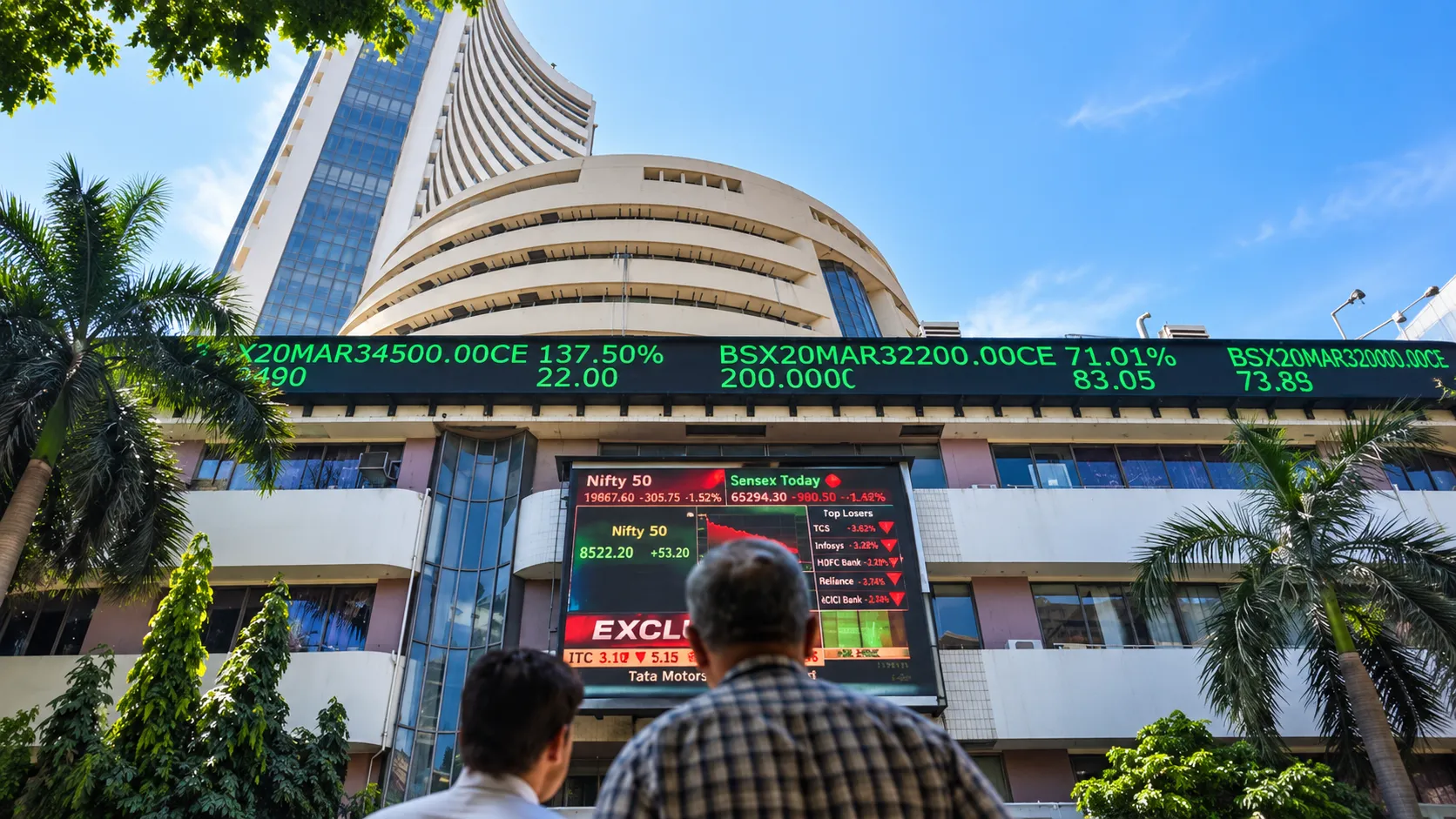
Indian equity benchmarks opened sharply lower on September 9, with the Sensex shedding 490 points and Nifty slipping below 23,550, as foreign institutional selling and a large RBI liquidity withdrawal weighed on sentiment.

By Nisha Omkumar · Author9 September 2026Breaking
Sensex Falls 490 Points as RBI Liquidity Withdrawal, FII Selling Weigh on Markets

India's benchmark equity indices opened sharply lower on September 9, 2026, with the BSE Sensex falling approximately 490 points and the NSE Nifty slipping below the 23,550 mark, extending a period of weakness that has pushed both indices toward multi-week lows. The decline came a day after the Sensex closed roughly 0.5% down at 76,132.8 on September 8, its lowest closing level in over six weeks.

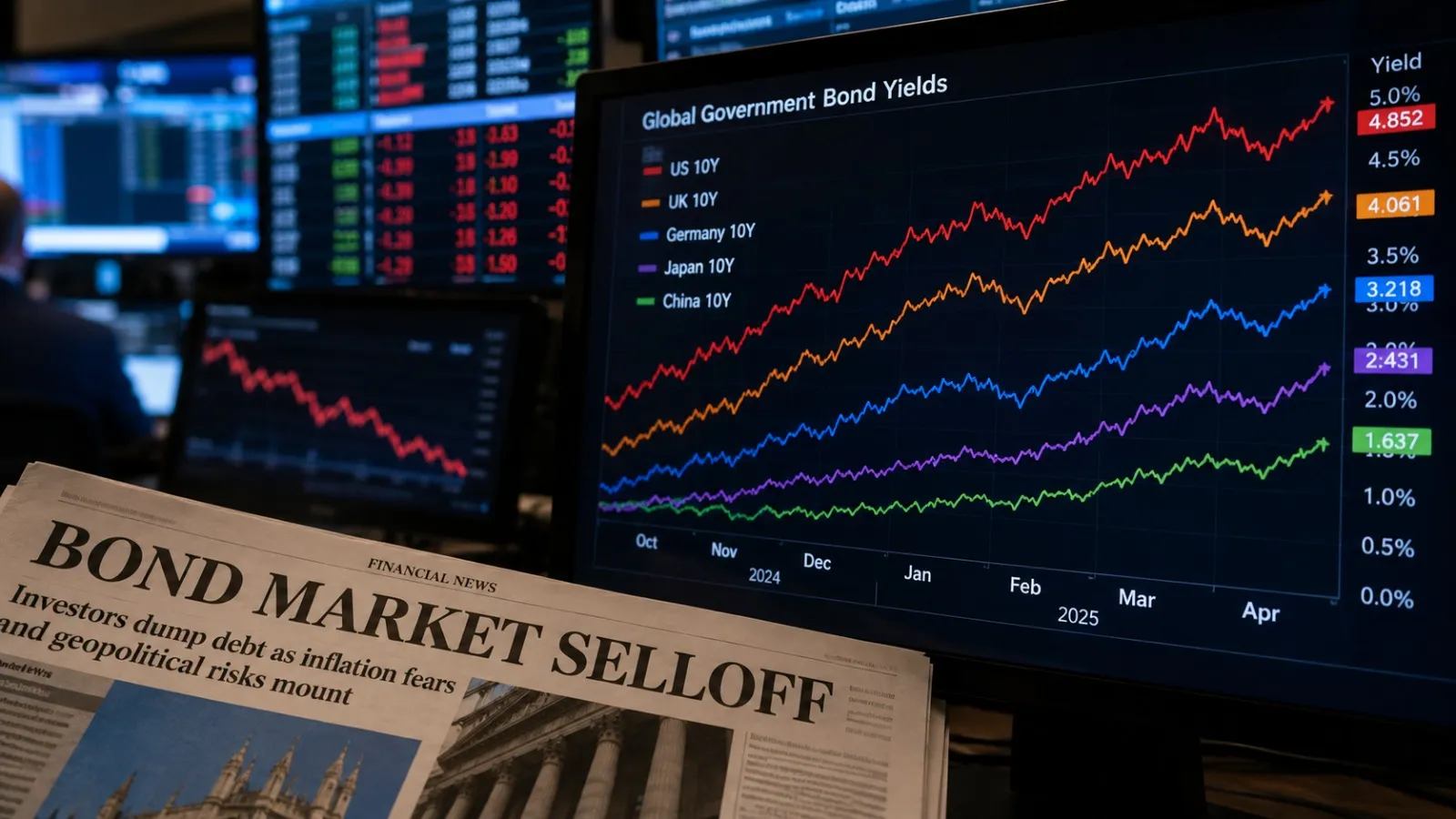
Several factors converged to pressure sentiment. The Reserve Bank of India withdrew more than Rs 6 trillion in excess liquidity from the banking system earlier in the week, a move that tightened short-term funding conditions even as markets were already contending with elevated global crude oil prices, which traded near $97 a barrel amid escalating Middle East tensions. Foreign institutional investors remained net sellers of Indian equities through the latter part of the previous week, reinforcing the cautious tone across trading desks.

Rate-sensitive technology stocks bore a disproportionate share of the selloff, with IT heavyweights including Infosys, Tech Mahindra and HCLTech among the session's notable laggards, reflecting continued investor concern that elevated global interest rates and a stronger dollar could weigh on discretionary technology spending among the sector's largely US and European client base. State Bank of India also featured among the day's decliners, while energy major ONGC was among the limited pockets of gains, benefiting from the same elevated crude prices that were otherwise weighing on the broader market through inflation and import-cost concerns.


Tighter domestic liquidity layered on top of elevated global crude prices is a combination Indian equity markets have historically struggled to absorb smoothly.
TIGI Markets Desk
ChatGPT Image Sep 9, 2026, 12_32_55 PM.png

Infrastructure, telecom and defence stocks showed relative resilience through the week's earlier sessions, a pattern market strategists attribute to continued government capital expenditure momentum and investor rotation away from globally exposed sectors such as IT services toward domestically driven segments considered less vulnerable to external shocks. Even so, the broader market breadth remained negative as the RBI's liquidity tightening rippled through banking and financial stocks.

The market weakness comes during an unusually active week for India's primary equity markets, with as many as six initial public offerings set to launch in the same week — a potentially record-setting rush that reflects strong underlying appetite for new listings even as secondary-market sentiment softens. Analysts note that IPO pipelines and secondary-market indices do not always move in lockstep, particularly when strong individual company narratives can attract subscription interest independent of broader index performance.

Looking ahead, market participants are watching for further signals from the RBI on liquidity management, alongside the trajectory of global crude prices, which remain closely tied to the unresolved Middle East conflict. A sustained period of elevated oil prices combined with tighter domestic liquidity could continue to pressure valuations, particularly in import-sensitive and rate-sensitive sectors, even as India's underlying growth narrative remains intact for medium-term investors.

TagsSensexNiftyStock MarketRBIFIIIndia Markets

Reader reviews

Sign in to rate and review this article.
Loading reviews…