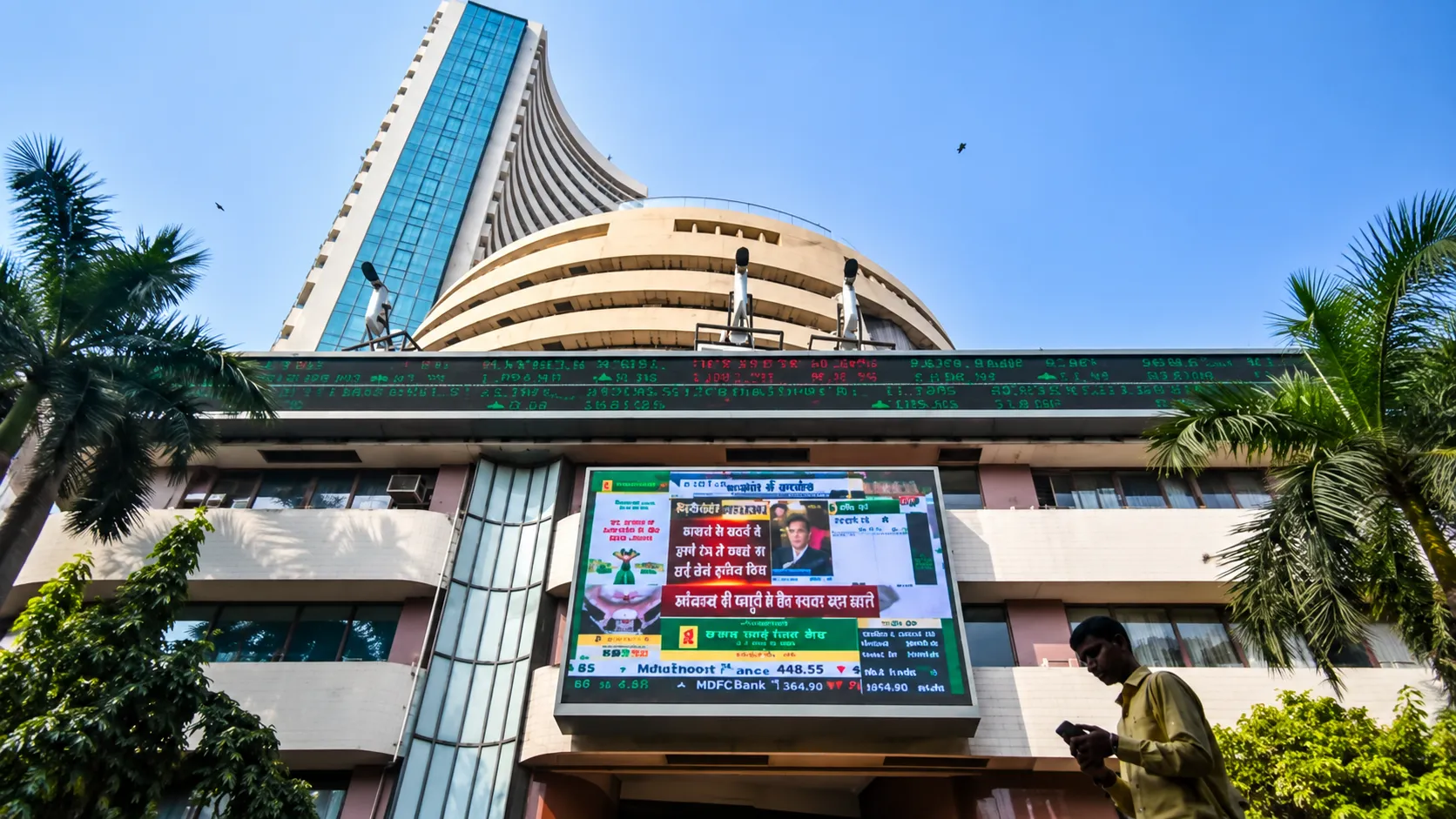
Indian equities ended a punishing week on a firmer note on Friday, September 25, as selective buying in banking, auto and consumer stocks lifted the benchmarks off the lows hit a day earlier. The BSE Sensex added 315.20 points, or 0.43 per cent, to settle at 73,895.74. The NSE Nifty 50 rose 77.40 points, or 0.34 per cent, to close at 23,140.50.
The rebound was modest, and it came against a sobering backdrop. According to Business Standard's market coverage, the Nifty lost about 5.8 per cent, or roughly 1,430 points, over the week and closed lower for a seventh consecutive week. That is the index's longest run of weekly losses since the February–March 2020 sell-off triggered by the Covid-19 pandemic.
Friday's session followed one of the sharpest single-day falls of the year. On Thursday, September 24, the Sensex had dropped 1.67 per cent to 73,580.54 and the Nifty 1.64 per cent to 23,063.10, as the US 10-year Treasury yield climbed to its highest level since 2007 and Brent crude traded above $107 a barrel.
A range-bound session that held a key level
Trading on Friday was cautious for most of the day. The benchmarks opened slightly lower, with the Nifty briefly slipping toward 23,035, before recovering through the afternoon. By the close, the index had defended the psychologically important 23,000 level that traders had been watching all week.
Banking led the recovery. Axis Bank was the top Nifty gainer, rising 3.03 per cent to ₹1,222.40 on volumes of about 69.2 million shares, according to data compiled by Angel One. Asian Paints gained 2.14 per cent to ₹2,444, and Mahindra & Mahindra climbed 1.75 per cent to ₹3,035, extending a run in automobile stocks that also lifted the Nifty Auto index.
Realty stocks were among the other outperformers, while the Nifty IT and Nifty Pharma indices ended lower. Among the laggards, Max Healthcare Institute fell 3.06 per cent to ₹1,014, Tata Motors Passenger Vehicles slipped 1.54 per cent to ₹290.45, and Infosys lost 1.41 per cent to ₹1,000.20.
Broader market: a split verdict
The broader market reflected the same hesitation. The Nifty Midcap 100 ended 0.14 per cent lower, while the Nifty Smallcap 100 gained 0.14 per cent. Volatility expectations eased: the India VIX, which measures expected near-term swings in the Nifty, fell about 7.25 per cent during the session to 11.77.
One of the day's most striking individual moves came from Transport Corporation of India, whose shares rallied nearly 15 per cent after the logistics company announced a share buyback proposal. Buybacks have become a recurring theme during the correction as cash-rich companies step in to support valuations that have fallen with the wider market.
Why the market has been falling
The seven-week slide has not been driven by any single domestic shock. Instead, a cluster of global pressures has weighed on Indian assets.
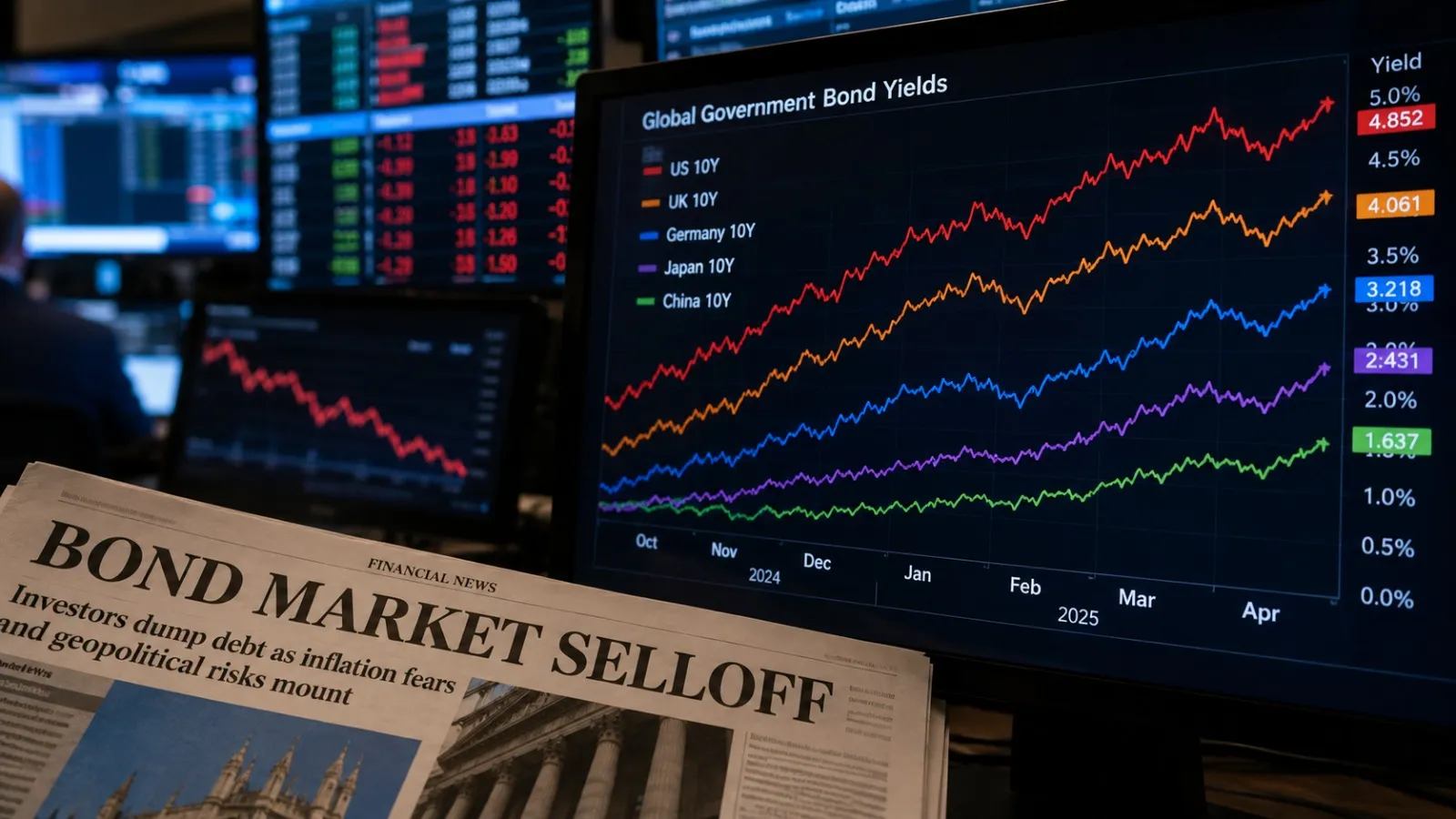
The first is the bond market. US government borrowing costs have surged, with the 10-year Treasury yield rising above 5.2 per cent this week, a level last seen before the global financial crisis. Higher US yields tend to pull capital away from emerging markets, because investors can earn more on dollar assets that carry less risk.
The second is energy. Crude oil has stayed elevated because of the conflict involving Iran and disruption to shipping through the Strait of Hormuz. India imports most of the crude it uses, so higher oil prices widen the trade deficit, put pressure on the rupee and raise input costs for a wide range of companies.
The third is valuation. Indian equities entered 2026 trading at a premium to most emerging-market peers. When global conditions tighten, that premium leaves less room for error, and foreign investors have been quick to take money off the table.