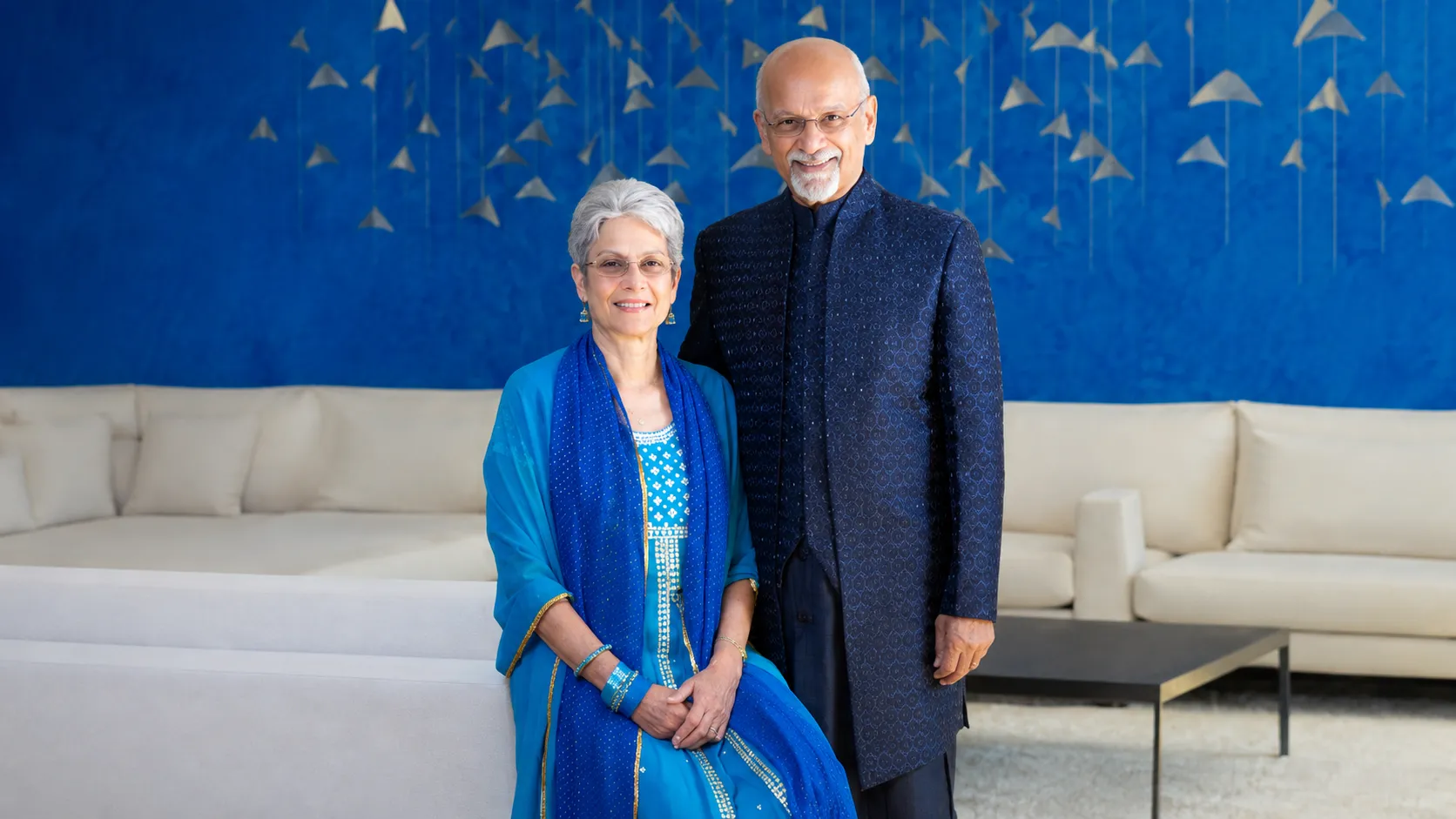
Dr. Shashikant Gupta has spent more than four decades building companies and, in recent years, giving away the proceeds of that success — but in a recent conversation about his philanthropic journey, the entrepreneur was careful to distinguish his approach from the kind of top-down charity that treats recipients as passive beneficiaries. For Gupta, the goal of philanthropy is not simply to provide relief, but to help people stand on their own feet: to build the conditions under which individuals and communities can generate their own durable, self-sustaining forms of progress rather than remaining dependent on continued outside support.
That philosophy is rooted in Gupta's own business career. He co-founded Apex CoVantage, a technology-led content and data transformation company, in 1988, and spent more than three decades building it into a company with genuinely global reach before the business was sold in 2021. Gupta, who holds both an MBA and a Ph.D. from Michigan State University, served as the company's chief technologist throughout much of its growth, directing the development of trailblazing internal technologies, including its award-winning ProField mobile workforce management system, while shaping a corporate philosophy centred on balancing human cognitive judgment with computer processing power — an ethos that treated business, in his own words, as a force for good rather than greed.
Since stepping back from day-to-day operating responsibilities, Gupta has channelled his energy and resources into the Gupta Family Foundation, which he leads alongside his wife, Margaret Gupta, who co-founded Apex CoVantage alongside him and now serves as President of the Foundation, dedicated to aiding disadvantaged communities. The couple's philanthropic partnership mirrors the structure of their earlier business partnership: complementary roles built around a shared conviction that capital, deployed thoughtfully, is only ever a facilitator of change rather than the change itself.
That distinction — between money as a facilitator and the people doing the actual work on the ground as the real agents of change — sits at the centre of how Gupta frames his own role in philanthropy. In discussing his approach, Gupta has repeatedly returned to the idea that the people implementing programmes in communities, not the funders writing the checks, deserve to be understood as philanthropy's true protagonists. It is a framing that inverts the conventional narrative around major donors, positioning Gupta's own contribution as enabling infrastructure rather than heroic intervention.
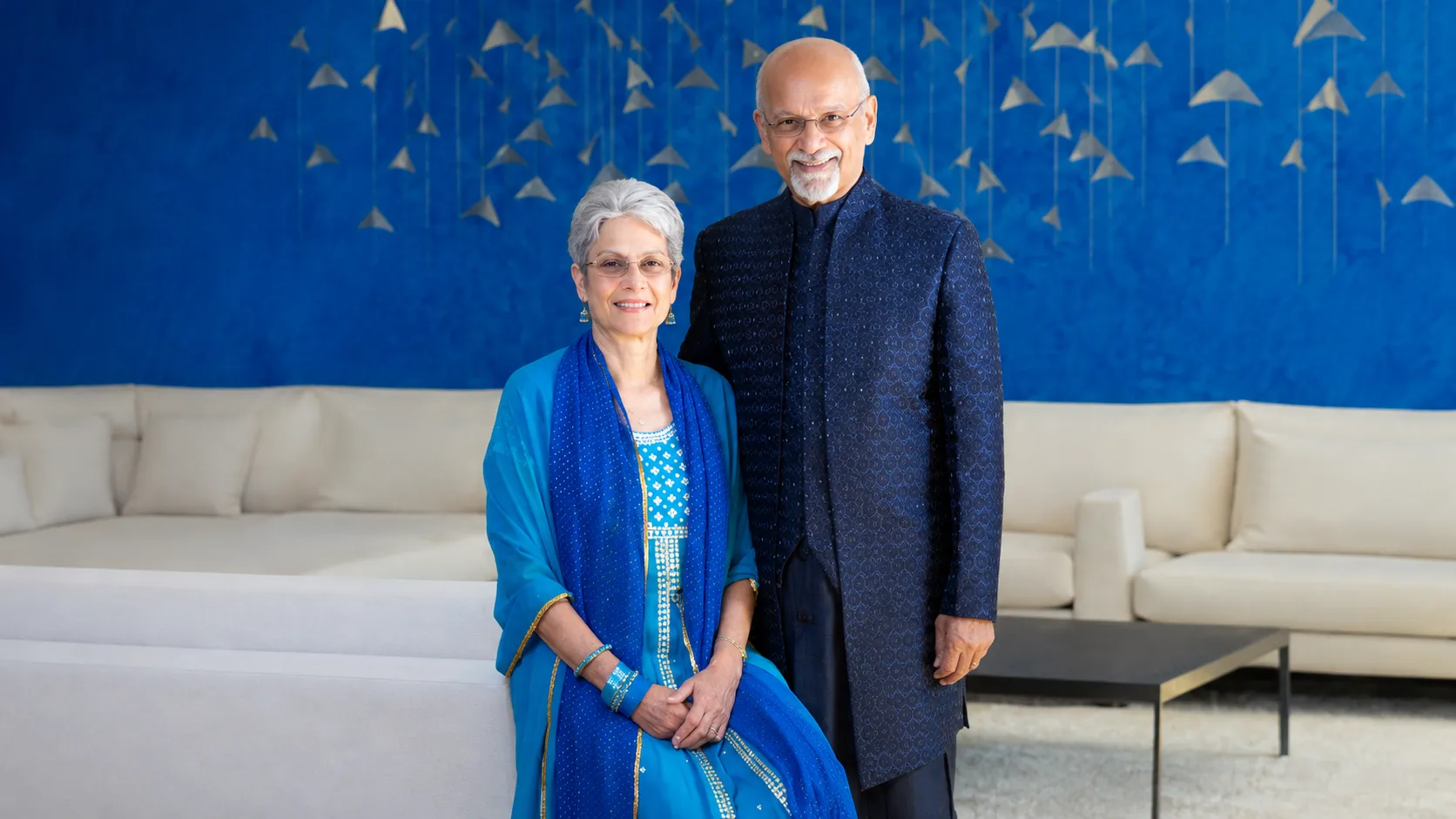
Gupta's public reflections on his philanthropic philosophy extend to a broader set of maxims he says he has come to live by over the course of his career transition from entrepreneur to full-time philanthropist. He has counselled that giving should be done because it is genuinely rewarding on its own terms, not for recognition, warning that chasing visibility or credit is, in his framing, a good way to lose one's footing. He has also emphasised the importance of choosing a philanthropic mission that aligns with one's own convictions rather than someone else's idea of what a donor should care about, and of finding ways to share the lessons of one's own journey as widely as possible, so that the knowledge gained through decades of business and philanthropic experience compounds beyond a single individual's giving.
His civic engagement has not remained confined to business and philanthropy narrowly defined. Gupta's public life has extended into broader community and educational engagement in the Washington, D.C. area, where he is based, reflecting a pattern common among first-generation immigrant entrepreneurs whose success in business becomes, over time, a platform for wider civic participation rather than a purely private accomplishment.
For the broader Indian-American philanthropic community, Gupta's trajectory — from co-founding and scaling a global technology company over more than three decades, to a deliberate, full-time pivot toward grassroots-oriented giving grounded in self-reliance rather than dependency — offers a model that sits somewhat apart from the headline-grabbing mega-donations that dominate coverage of the diaspora's wealthiest philanthropists. His emphasis on empowering the people executing programmes on the ground, rather than centring the donor's own visibility, reflects a quieter, more structurally minded theory of change: one focused less on the scale of any single gift and more on whether the recipients of that support ultimately need it again.
As Gupta continues to advise the next generation of entrepreneurs and philanthropists navigating the same transition he himself made, his central message remains consistent: recognition is a poor compass for philanthropic decision-making, and the measure of successful giving lies not in what a foundation spends, but in how durably the people it serves are able to carry that support forward on their own.


