Shiprocket, the Gurugram-headquartered e-commerce enablement platform founded by Saahil Goel in 2017, made a strong entrance onto Indian public markets on 19 August 2026, with shares listing approximately 35% above their issue price. The debut caps a multi-year journey for a company that has become a critical piece of infrastructure powering India's direct-to-consumer and small-merchant e-commerce boom.
Backed by Temasek and Zomato among other investors, Shiprocket had been preparing its public listing for the better part of a year, converting into a public limited company ahead of filing and securing regulatory clearance from the Securities and Exchange Board of India alongside a cohort of other consumer-tech issuers, including Meesho. The offering combined a fresh issue of shares with an offer for sale by existing investors, a structure increasingly common among India's late-stage startups seeking to give early backers partial liquidity while also raising primary growth capital.
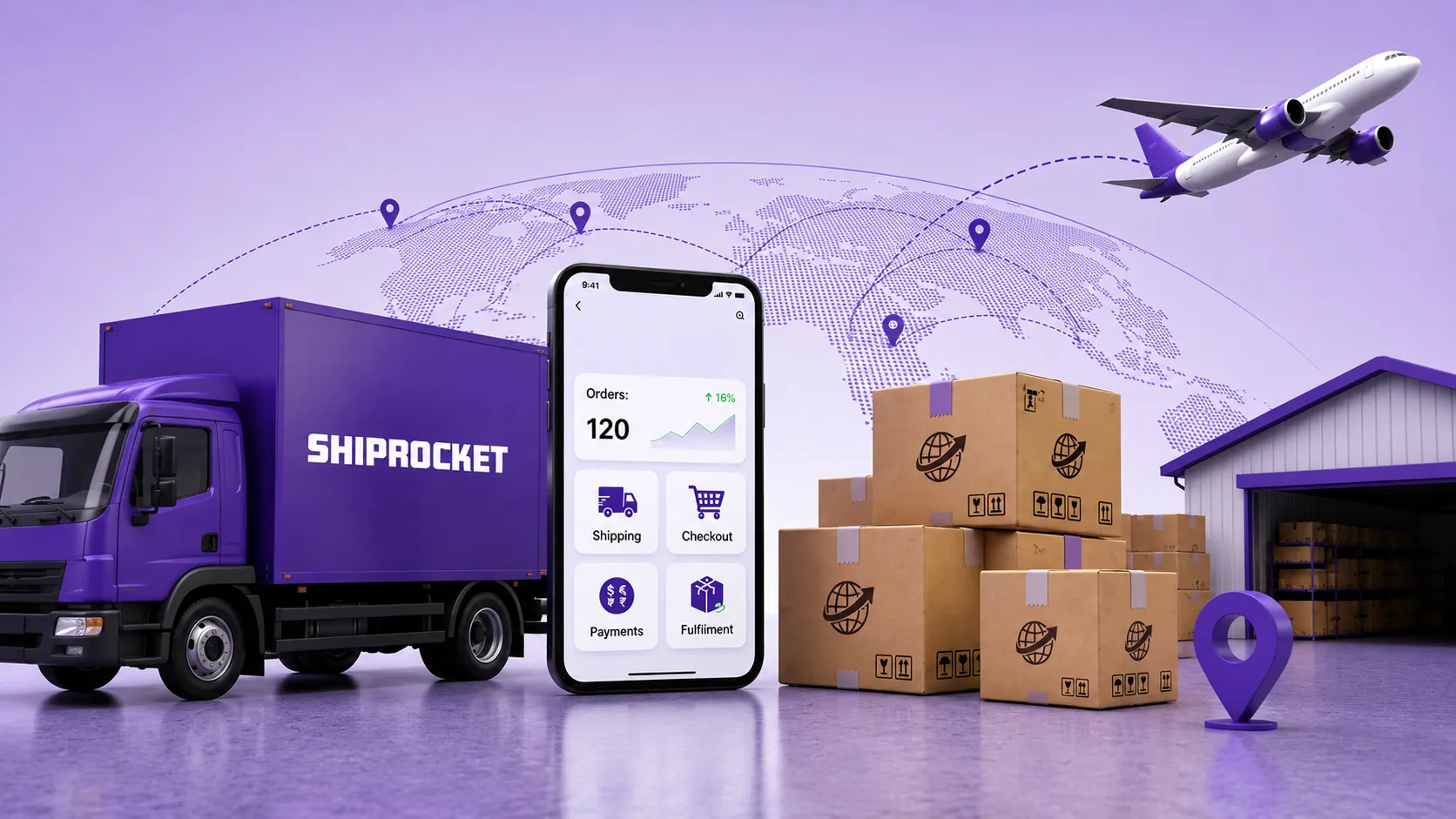
Shiprocket's core business — a logistics and fulfilment operating system that lets small and mid-sized online sellers access courier networks, warehousing, payments and post-purchase tools through a single interface — has scaled substantially since the company pivoted from a single-service courier aggregator into a full-stack e-commerce enablement platform. The company has previously disclosed processing gross merchandise value running into the tens of thousands of crores annually across roughly 1.5 lakh sellers, with more than 490 million e-commerce transactions flowing through its systems, and deriving a majority of its business from non-metro markets — a segment historically underserved by traditional logistics incumbents.
That non-metro exposure was central to the investment case that drew institutional interest ahead of listing. India's e-commerce growth over the past several years has increasingly come from tier-2 and tier-3 cities, where consumers are transacting online for the first time and where fulfilment infrastructure has historically been thin. Shiprocket had reached unicorn status as a private company, with a Series E round in October 2023 valuing it at roughly $1.23 billion, backed over the years by investors including Tribe Capital, Bertelsmann India Investments and Temasek.
The strength of the debut also reflects a broader recalibration in how Indian public market investors are pricing new-age technology companies. After a period of scepticism toward loss-making consumer internet businesses following some high-profile listings that struggled post-IPO, 2025 and 2026 have seen a partial reset, with investors rewarding companies that can demonstrate a credible path to profitability and defensible market positioning. Shiprocket's model — blending software subscription revenue with logistics facilitation fees — gave it a somewhat different profile from pure marketplace or quick-commerce peers, likely contributing to investor comfort.
Shiprocket's listing arrives in a crowded season for Indian technology IPOs, with several other consumer and enterprise technology companies having received regulatory clearance to list around the same period, raising questions among bankers about whether India's primary market can absorb simultaneous large offerings without diluting demand for any single issuer — a concern the strength of Shiprocket's debut appears, for now, to have allayed.
For the broader Indian startup ecosystem, a well-received listing carries significance beyond the company itself: IPOs function as a critical liquidity event for venture and growth-stage investors, and strong aftermarket performance tends to encourage the next cohort of scaled private companies to accelerate their own public market timelines. As a newly listed entity, Shiprocket will now be subject to the disclosure and governance obligations that come with public ownership, and TIGI will continue to track its aftermarket performance and subsequent quarterly disclosures.