TechFintech5 MIN READ

Shopify Prepares to Bring Shop Pay to India, Setting Up a Clash With Homegrown Checkout Startups

Shopify is reportedly preparing to launch its Shop Pay accelerated checkout in India by early 2027, a move that would put it in direct competition with GoKwik, Shopflo, Razorpay's Magic Checkout and other Indian checkout providers serving D2C brands.

By Aravind Kumar · Author16 October 2026New
Shopify Prepares to Bring Shop Pay to India, Setting Up a Clash With Homegrown Checkout Startups

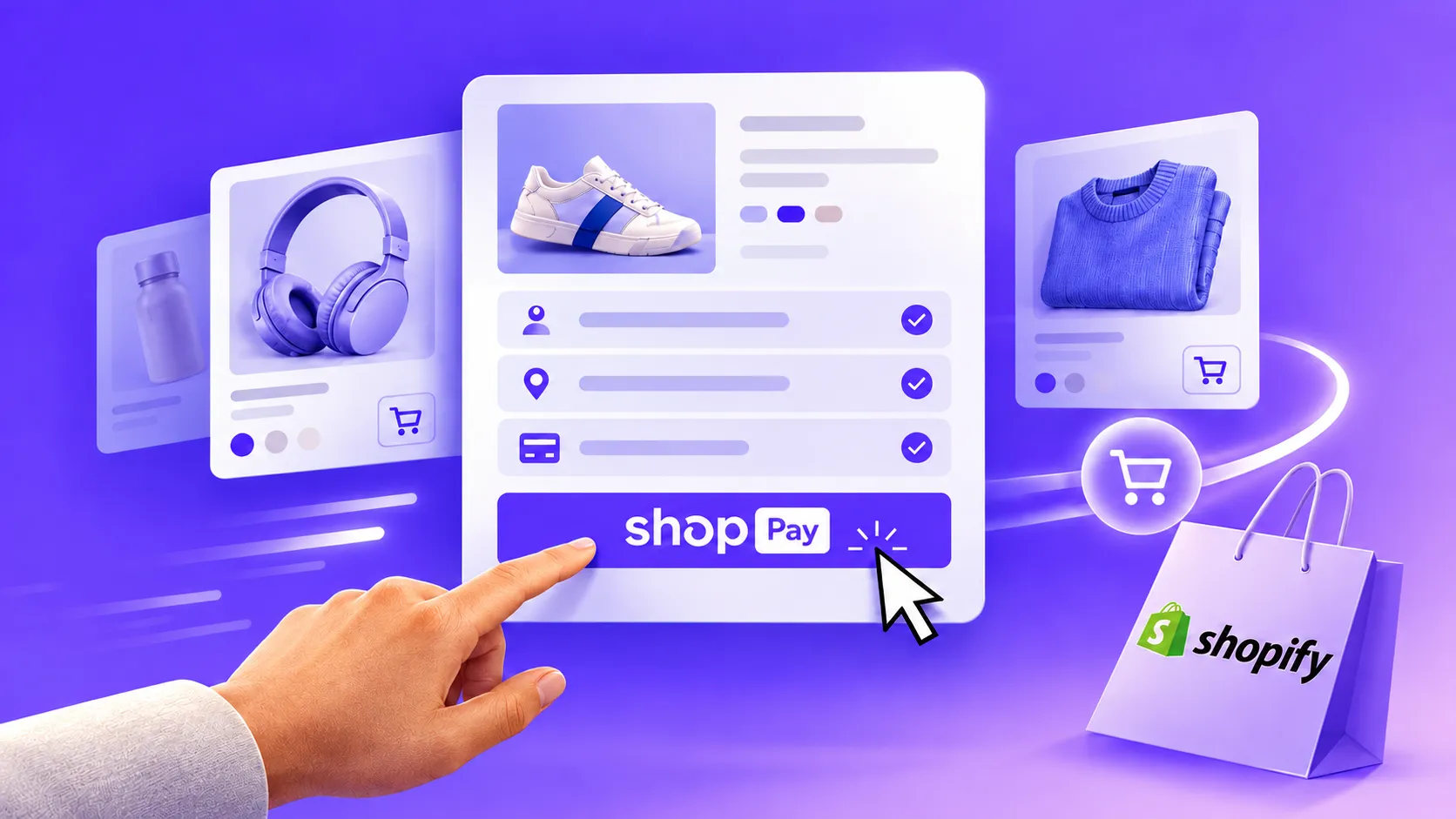
Shopify is preparing to launch Shop Pay, its accelerated checkout service, in India, a move that would bring one of the e-commerce world's best-known payment products into a market where a crop of local startups has built substantial businesses on the same idea.

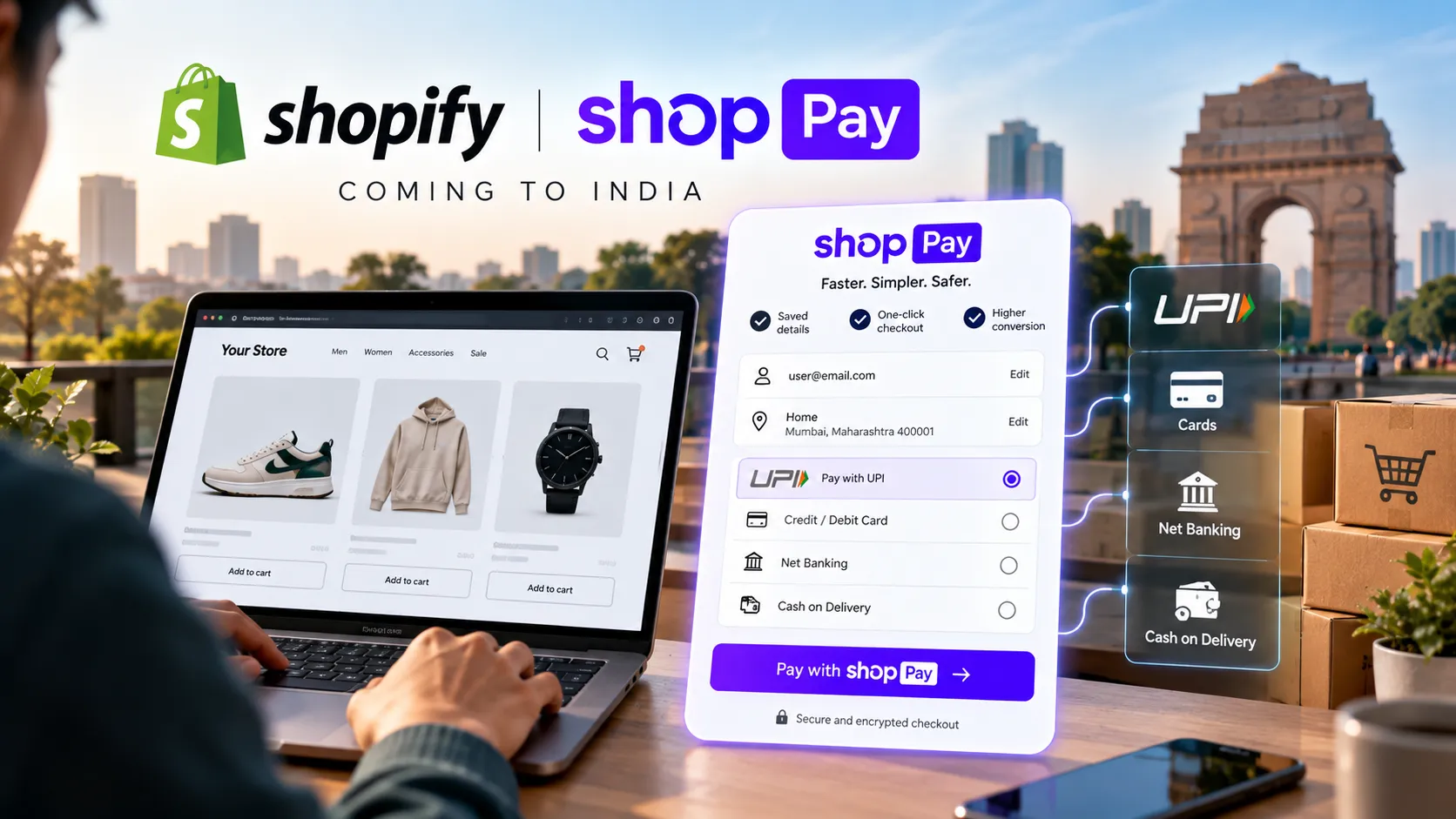
The Canadian e-commerce platform is reportedly aiming to launch Shop Pay in India by the first quarter of 2027, according to people familiar with the matter who spoke to Inc42. Shopify is said to be in talks with payment orchestration platforms to integrate local payment service providers. The company has not publicly confirmed the plan and did not respond to Inc42's questions.

What Shop Pay Does

Shop Pay allows shoppers to save their payment, shipping and contact details so they can complete purchases quickly at any participating store, rather than typing the same information again at each checkout. It sits as an optional layer on top of Shopify's standard checkout.

Shopify says the product can increase conversion by up to 50 per cent compared with guest checkout. In e-commerce, where a large share of shoppers abandon their carts before paying, even small improvements in conversion can translate into significant additional revenue for merchants.

Globally, Shop Pay has become one of Shopify's most important products, helping the company capture a larger share of each transaction and strengthening its relationship with both merchants and consumers.

A Market Built by Local Startups

In India, the accelerated checkout space has been shaped by homegrown companies that emerged to serve the country's fast-growing direct-to-consumer brand ecosystem, much of which runs on Shopify's platform.

GoKwik, Shopflo, which was acquired by Pine Labs in April 2026, Razorpay's Magic Checkout, Shiprocket's Fastrr Checkout and Cashfree Payments all offer one-click or simplified checkout products designed for Indian consumers. These services typically pre-fill addresses using phone numbers, support cash on delivery, integrate UPI and other local payment methods, and include tools to reduce return-to-origin losses, which are a major cost for Indian e-commerce brands.

Their success reflects a gap that global platforms were slow to fill. Indian shoppers rely heavily on UPI and cash on delivery, and address formats, fraud patterns and logistics challenges differ markedly from those in Western markets.
1ad113ae-105b-445d-affd-824176c73487.png

The Incumbent Advantage

If Shopify launches Shop Pay in India, it will enter with structural advantages. Many Indian D2C brands already run their stores on Shopify, and a native checkout product could be easier to install and maintain than a third-party integration.

"Shopify will definitely have an advantage given that it is such a big brand," said Umair Mohammad, founder of Nitro Commerce, an e-commerce growth company.

A person familiar with the payment gateway industry told Inc42 that GoKwik and Shopflo "would need to find how to compete against a giant like Shopify."

Why Local Players Are Not Finished

Mohammad also cautioned against assuming that Shopify will dominate. "Shop Pay's entry does not automatically mean that other checkout services will struggle," he said.

Local providers have spent years building features tailored to India, including cash-on-delivery risk scoring, regional address intelligence and partnerships with Indian banks and lenders. Some have expanded beyond checkout into marketing, analytics and financing for brands, creating broader relationships that are harder to displace.


“Shopify will definitely have an advantage given that it is such a big brand.”
— Umair Mohammad, Founder, Nitro Commerce

Pricing will also matter. Merchants will compare not only checkout charges but also payment processing fees and Shopify's own transaction fees. Shopify's pricing for Shop Pay in India has not been confirmed.

Regulatory and Payment Realities

Operating a checkout product in India also means working within the country's payments framework, which is shaped by the Reserve Bank of India's rules on tokenisation, data storage and payment aggregators, as well as the dominance of UPI. Shopify's reported plan to work with payment orchestration platforms suggests it intends to integrate with existing licensed providers rather than build its own payment infrastructure from scratch.

What It Means for D2C Brands

For Indian brands, Shopify's entry could bring more choice and potentially lower costs as competition intensifies. A widely recognised checkout could also build consumer trust, particularly for newer brands that shoppers have not bought from before.

But brands will also weigh the risk of concentrating more of their technology stack with a single provider, and the value of specialised features that local players have built for Indian conditions.

A Market Shaped by UPI

Any global payments product entering India must contend with the dominance of the Unified Payments Interface, the real-time payments system developed by the National Payments Corporation of India. UPI processes the majority of digital retail transactions in the country, and many online shoppers expect to pay directly from their bank accounts through apps such as PhonePe, Google Pay and Paytm, rather than with cards.

Cash on delivery also remains significant in Indian e-commerce, particularly in smaller cities, despite the costs and risks it creates for merchants. Local checkout providers have built tools to encourage shoppers to switch from cash to prepaid options, offering discounts or rewards for paying upfront. For Shop Pay to succeed in India, it will need to support these local payment habits seamlessly, rather than relying on the stored-card model that underpins its success in North America. How well Shopify adapts the product to UPI and cash on delivery may prove more decisive than the strength of its brand.

The stakes are significant for both sides. India has one of the world's fastest-growing online shopping markets, and the number of digitally native brands selling directly to consumers has expanded rapidly over the past five years. For local checkout providers, which have raised substantial venture funding on the strength of that growth, the arrival of a native Shopify product could slow customer acquisition and pressure pricing. For Shopify, India offers a large and growing base of merchants whose payments flow it currently captures only partially.

A Familiar Pattern

The potential clash fits a familiar pattern in Indian technology markets. Global platforms often enter after local startups have proved demand and built tailored solutions. Sometimes the global player wins on scale and distribution; sometimes local companies retain their lead through better adaptation to Indian conditions.

India's D2C sector, which has grown rapidly over the past five years across categories from beauty to apparel, has become valuable enough to attract global attention. How Shopify prices and localises Shop Pay will determine whether it can quickly win share, or whether India's checkout startups can hold their ground against one of e-commerce's most powerful platforms.

TagsShopifyShop PayCheckoutD2CE-commercePaymentsFintechGoKwikShopfloPine LabsRazorpayShiprocketCashfreeIndia

Reader reviews

Sign in to rate and review this article.
Loading reviews…
