Few areas of artificial intelligence have moved from experiment to mainstream as quickly as customer service. The company that has come to symbolise that shift has just doubled its valuation in less than six months.
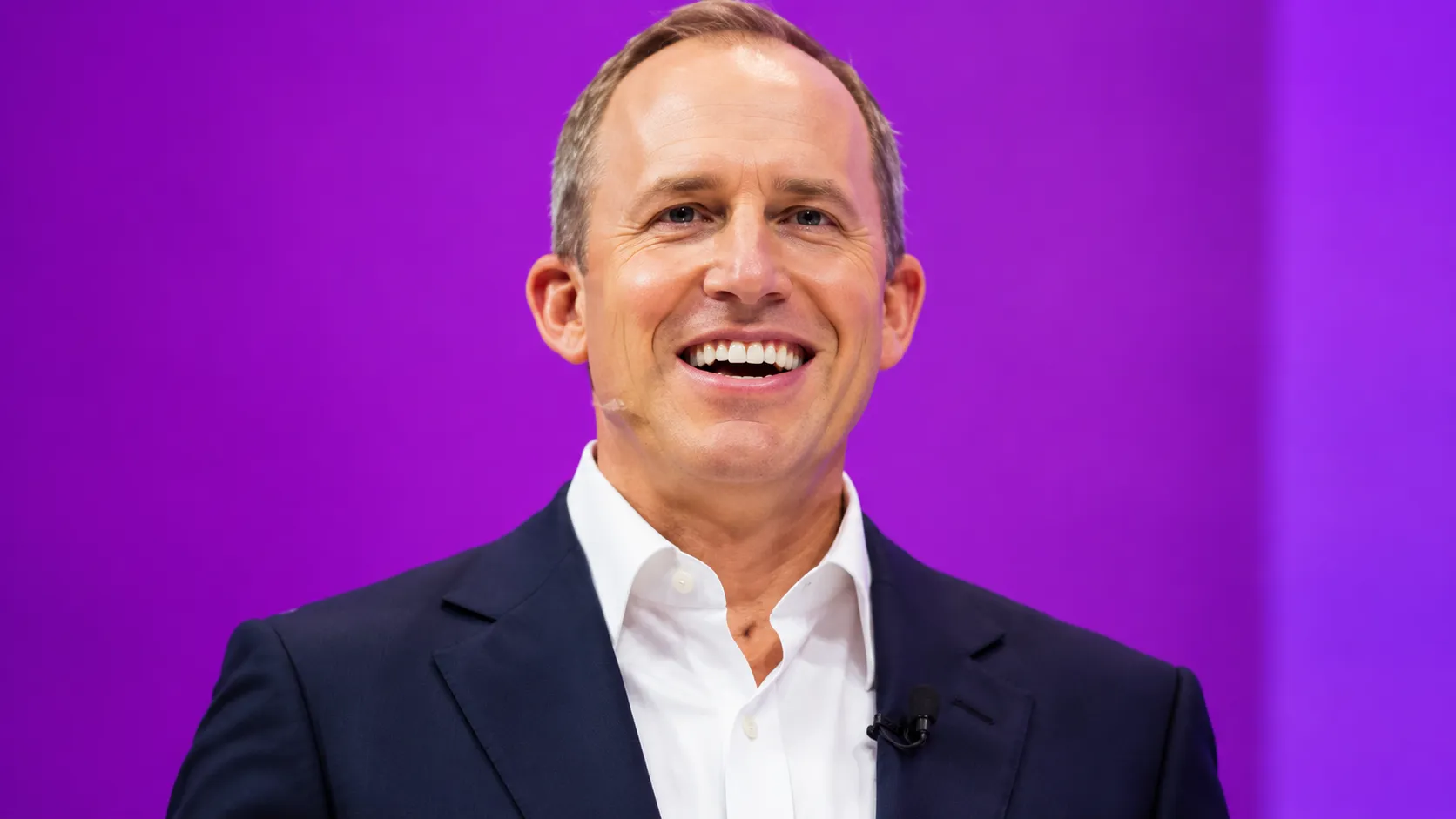
Sierra, the AI customer service startup co-founded by Bret Taylor and Clay Bavor, has raised $1.75 billion in a Series F funding round at a $30 billion post-money valuation, according to AI Funding Tracker, which logged the round on November 23. The round was co-led by Greenoaks and Lightspeed, with participation from Benchmark, Sequoia Capital, GV and Tiger Global.
The new valuation doubles the $15 billion at which Sierra was valued less than six months earlier.
Rapid revenue growth
Sierra's run-rate revenue reportedly doubled to about $400 million in five months, according to industry newsletters citing reports on the round. That growth, combined with its blue-chip customer base, helps explain investors' willingness to pay a high valuation, although the valuation is about 75 times the reported run-rate revenue.
The company says it works with almost half of the Fortune 50, the largest US companies by revenue. Reported customers include financial institutions such as BNY, HSBC, Wells Fargo and JPMorgan Chase.
The founders
Bret Taylor is one of Silicon Valley's most prominent executives. He previously served as co-chief executive of Salesforce, chief technology officer of Facebook and co-creator of Google Maps. He is also chair of OpenAI's board.
Clay Bavor spent nearly two decades at Google, where he led virtual and augmented reality efforts and Google Labs. The two co-founded Sierra in 2023.
What Sierra does
Sierra builds AI agents that handle customer service for large companies. Unlike earlier chatbots, which followed rigid scripts and often frustrated customers, Sierra's agents use large language models to understand natural language, access company systems and take actions such as processing returns, updating accounts or troubleshooting problems.
The company typically charges based on outcomes, such as successfully resolved conversations, rather than per-seat licences. This pricing model aligns its revenue with the value delivered to customers and differs from traditional software pricing.
Why customer service is the first frontier
Customer service is a natural application for AI agents. It involves large volumes of repetitive interactions, clear success metrics and significant costs for companies, which employ millions of customer service workers globally. AI agents can operate around the clock, handle multiple languages and scale instantly during peak periods.
Companies are under pressure to reduce costs while improving customer experience, and AI agents promise to deliver both. Early deployments have shown that well-designed agents can resolve a large share of routine queries without human involvement.
The competitive landscape
Sierra competes with established customer service software providers such as Salesforce, Zendesk and ServiceNow, which are adding AI agents to their platforms, as well as with a growing number of startups. Large AI developers, including OpenAI and Anthropic, also offer tools that enterprises can use to build their own agents.
Sierra's differentiation lies in its focus on enterprise-grade agents, its relationships with large customers and its outcome-based pricing.
The investors
The round brings together some of the most prominent investors in technology. Greenoaks and Lightspeed have been active in leading large AI rounds, while Benchmark, Sequoia, GV (formerly Google Ventures) and Tiger Global have backed many of the most successful technology companies of the past two decades.
The AI funding boom
Sierra's round is one of the largest in a year of record AI funding. Investors have poured tens of billions of dollars into AI companies, from model developers to infrastructure providers and application companies. The successful stock market debut of Anthropic earlier in November, valuing the company at more than $1 trillion, has added to investor enthusiasm.
However, some investors have warned that valuations are becoming stretched, and the volatility in AI stocks over the past two weeks, linked to turmoil at Nvidia, has highlighted the risks.

The impact on jobs
The rise of AI customer service agents raises important questions about employment. Customer service and call centre work employs millions of people globally, including large numbers in India and the Philippines, which have built major outsourcing industries.
As AI agents handle more interactions, demand for human agents in routine roles may decline, while new roles may emerge in designing, supervising and improving AI systems. How this transition affects workers will depend on the pace of adoption and the ability of workers to move into new roles.
What it means for India
India's business process outsourcing industry, which employs a significant number of people in customer service, faces both risk and opportunity from AI agents. Indian BPO and IT services companies are investing in AI to transform their offerings, and some are partnering with AI companies to deploy agents for global clients.
Outcome-based pricing
Sierra's outcome-based pricing is attracting attention across the software industry. Traditional software companies charge per user or per licence, but AI agents that perform work themselves challenge that model, because fewer human users may be needed.
Charging for outcomes, such as resolved support conversations, aligns revenue with the value delivered and could become a standard model for AI agent companies, potentially reshaping how enterprise software is bought and sold.
Concerns about valuations
Some investors and analysts have questioned whether valuations like Sierra's can be justified. At about 75 times reported run-rate revenue, the company is priced for many years of rapid growth. Any slowdown in adoption, increase in competition or pressure on pricing could make the valuation difficult to sustain.
Supporters argue that AI agents could capture a significant share of the enormous global spending on customer service labour, making the addressable market far larger than traditional software markets.
Bret Taylor's dual role
Taylor's position as chair of OpenAI's board while running Sierra has drawn attention, given that the companies operate in overlapping markets. Sierra uses models from multiple providers, and Taylor has said he manages potential conflicts carefully.
His dual role underlines how closely connected the leadership of the AI industry has become.
What comes next
Sierra is expected to use the funding to expand internationally, develop new capabilities and potentially make acquisitions. Its growth will be closely watched as a measure of how quickly enterprises are adopting AI agents, and as a test of whether the high valuations in AI applications can be justified by revenue.