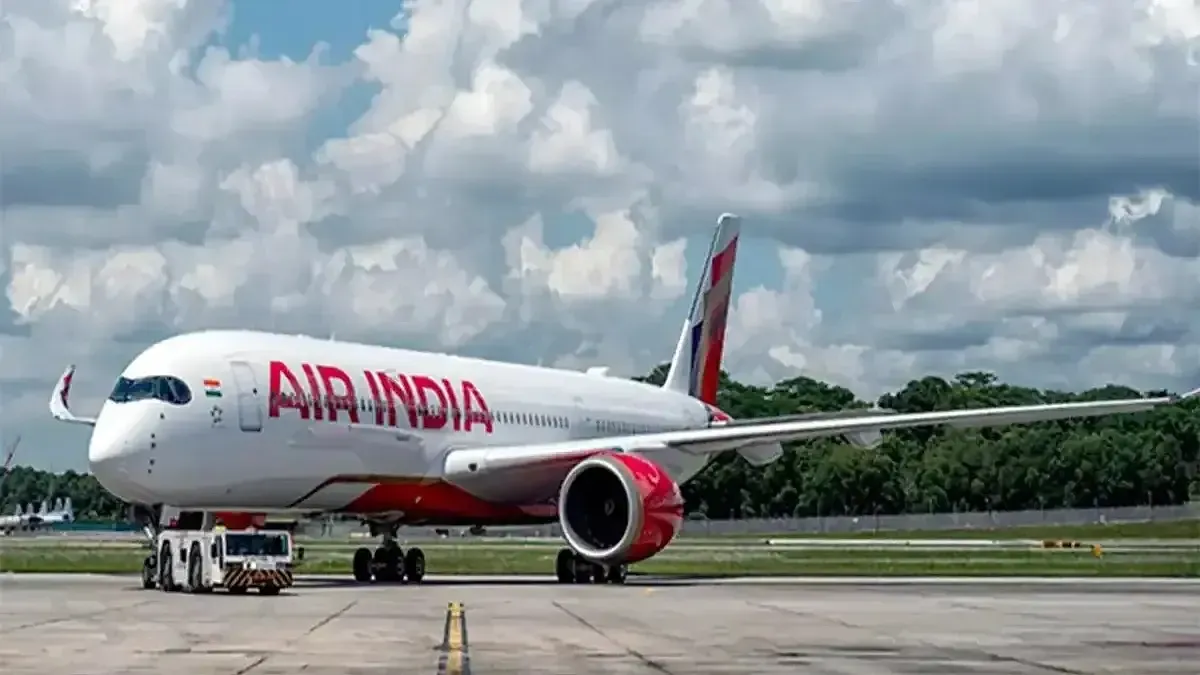
Singapore has reaffirmed its continued support for Singapore Airlines' investment in Air India, notwithstanding increasing public scrutiny over the Indian carrier's financial performance since its landmark merger with Vistara. Temasek, Singapore's state investment company, holds a 25.1% stake in Air India through Singapore Airlines, a position that has come under closer market attention as investors and analysts assess how quickly the combined carrier can reach sustainable profitability.
The Air India-Vistara merger, completed as part of the broader restructuring of the Tata Group's aviation portfolio, was pitched at the time as a transformative consolidation that would create a full-service carrier capable of competing more effectively on both domestic and international long-haul routes. Singapore Airlines' equity stake was central to that strategic rationale, bringing operational expertise, premium service standards and network connectivity benefits to the enlarged Air India in exchange for meaningful ownership exposure to India's rapidly growing aviation market.
Public scrutiny of Air India's financial trajectory has intensified as the airline continues working through an extensive fleet modernisation and service-quality overhaul, a process that requires substantial upfront capital investment before the anticipated efficiency and revenue gains materialise on the balance sheet. Integration costs associated with merging Vistara's operations, crew, and systems into Air India have also weighed on near-term financial metrics, prompting periodic questions from market observers about the pace of the turnaround relative to initial expectations set at the time of the merger.
Temasek's continued backing, communicated through Singapore's public reaffirmation of support, signals confidence in the longer-term strategic logic of the investment even amid short-term financial pressure — a stance consistent with the sovereign investor's typical approach to large, strategically significant holdings that require patient capital over multi-year horizons rather than quarter-to-quarter performance validation.

India's aviation sector remains one of the fastest-growing large air travel markets globally, driven by rising disposable incomes, expanding airport infrastructure and increasing international connectivity ambitions, factors that continue to underpin the long-term investment thesis for global aviation players despite near-term integration challenges facing individual carriers like Air India.
As Air India progresses through its multi-year transformation programme, the durability of Singapore's continued strategic commitment is likely to remain an important signal for other global investors evaluating exposure to India's aviation sector, particularly as the combined carrier works to close the service and reliability gap with leading international full-service competitors.
The Air India turnaround also sits within a broader context of consolidation across India's aviation sector, where the merger of full-service and low-cost carrier brands under single corporate umbrellas has reshaped competitive dynamics across the domestic market, placing renewed pressure on remaining independent carriers to demonstrate differentiated value propositions against increasingly well-capitalised, internationally backed competitors.
Temasek's patient-capital posture toward Air India also offers a broader signal to other sovereign and long-horizon institutional investors evaluating India's aviation infrastructure story, at a time when the country's civil aviation ministry has continued expanding airport capacity and international route rights as part of its wider ambition to position India as a global aviation hub.
Civil aviation analysts note that Air India's fleet modernisation programme, which includes a substantial wide-body and narrow-body aircraft order placed in prior years, remains one of the largest in global aviation history, meaning the carrier's financial turnaround trajectory will likely remain a multi-year process regardless of near-term investor sentiment.