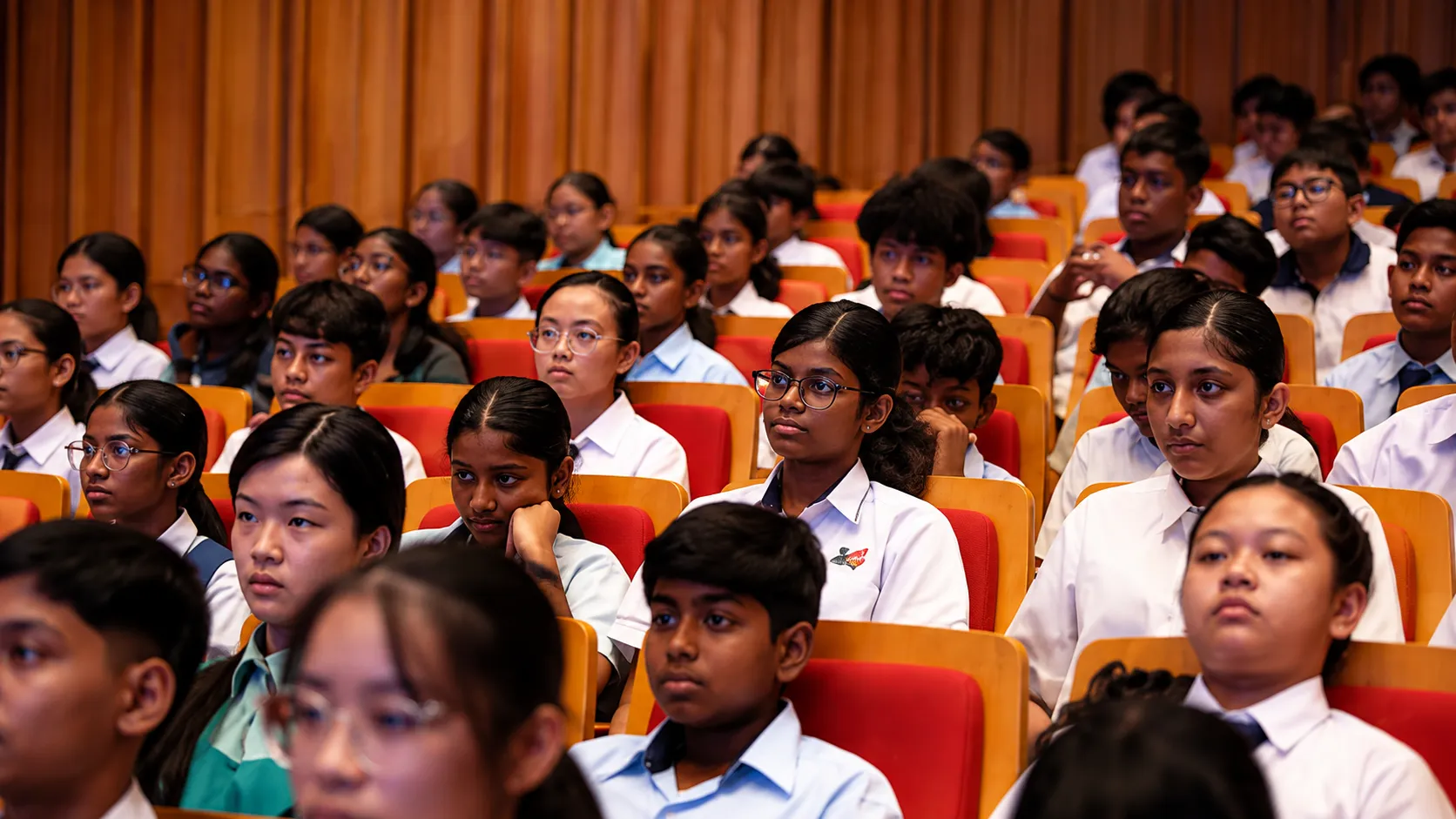
Singapore's Joint Tuition Awards 2026 recognised 1,417 students drawn from the beneficiary networks of the Singapore Indian Development Association and three allied ethnic-based self-help groups, marking another year of the ceremony that has become a fixture within the city-state's community-education calendar. The event, presided over by a senior government guest of honour, brought together students, parents and community leaders to celebrate academic achievement facilitated through subsidised tuition support programmes that have operated for decades as a core pillar of Singapore's approach to educational equity.
SINDA, established to support the educational and socio-economic advancement of Singapore's ethnic Indian community, has long operated tuition assistance as one of its flagship programmes, alongside broader student-development and family-support initiatives, reflecting the organisation's founding mandate to address educational disparities that historically persisted within segments of the Indian-Singaporean population despite the country's overall strong educational outcomes. The Joint Tuition Awards format, bringing together SINDA alongside its counterpart self-help groups serving other ethnic communities, has become an increasingly prominent shared platform for recognising academic achievement across Singapore's multi-racial student population.
The event's joint structure — spanning multiple ethnic-based self-help organisations rather than SINDA operating in isolation — reflects Singapore's distinctive institutional approach to addressing community-specific educational and socio-economic needs through parallel, ethnically organised support structures that nonetheless increasingly collaborate on shared programming and joint public recognition events of exactly this kind. This model, while occasionally debated within Singapore's broader policy discourse around race-based versus universal support mechanisms, has persisted as a core feature of the city-state's social infrastructure for several decades.
For the 1,417 students recognised at this year's ceremony, the award represents formal acknowledgement of academic progress achieved with the support of subsidised or fully funded tuition assistance, a benefit that has historically played a meaningful role in narrowing educational-attainment gaps between lower-income families and their better-resourced peers within Singapore's academically competitive, examination-driven schooling system. SINDA's own longitudinal community data has previously highlighted measurable improvements in degree attainment and reductions in school-dropout rates among the ethnic Indian community over successive decades, trends the organisation has partly attributed to sustained tuition-support programming of this kind.
SINDA's chief executive and senior leadership used this year's ceremony to reiterate the organisation's continued commitment to expanding both the reach and depth of its tuition and broader student-support programming, even as Singapore's Indian community has itself grown increasingly diverse, encompassing both long-established Singaporean-Indian families and a more recently arrived cohort of Indian immigrant professionals and their families, each bringing somewhat different educational-support needs and expectations to the organisation's programming.
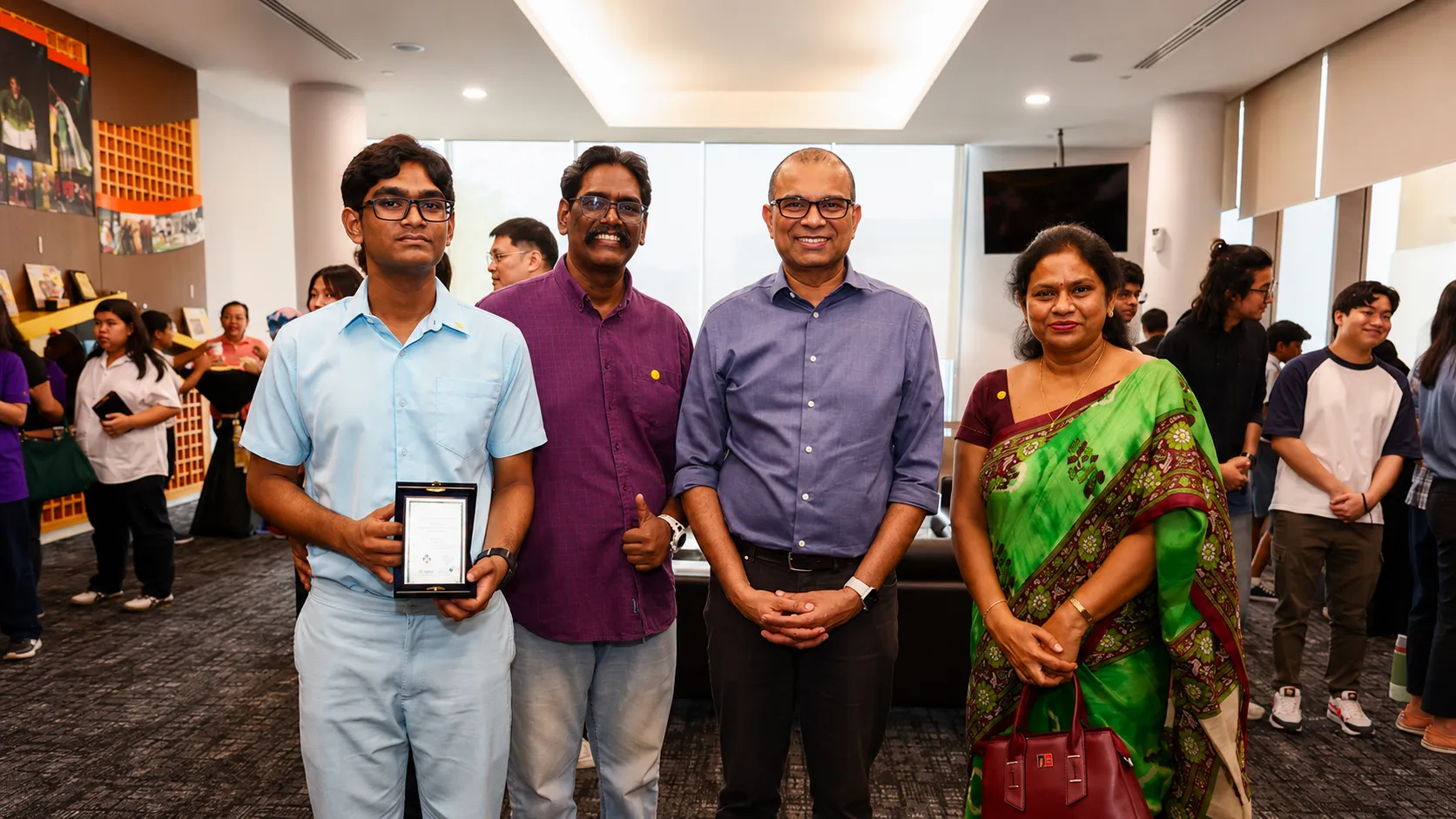
The ceremony's guest-of-honour remarks touched on the broader importance of community-based educational support structures within Singapore's overall approach to social mobility, framing programmes like the Joint Tuition Awards as complementary to, rather than a substitute for, the government's own substantial direct investment in public education infrastructure and financial-aid schemes available to lower-income families across all ethnic communities.


