
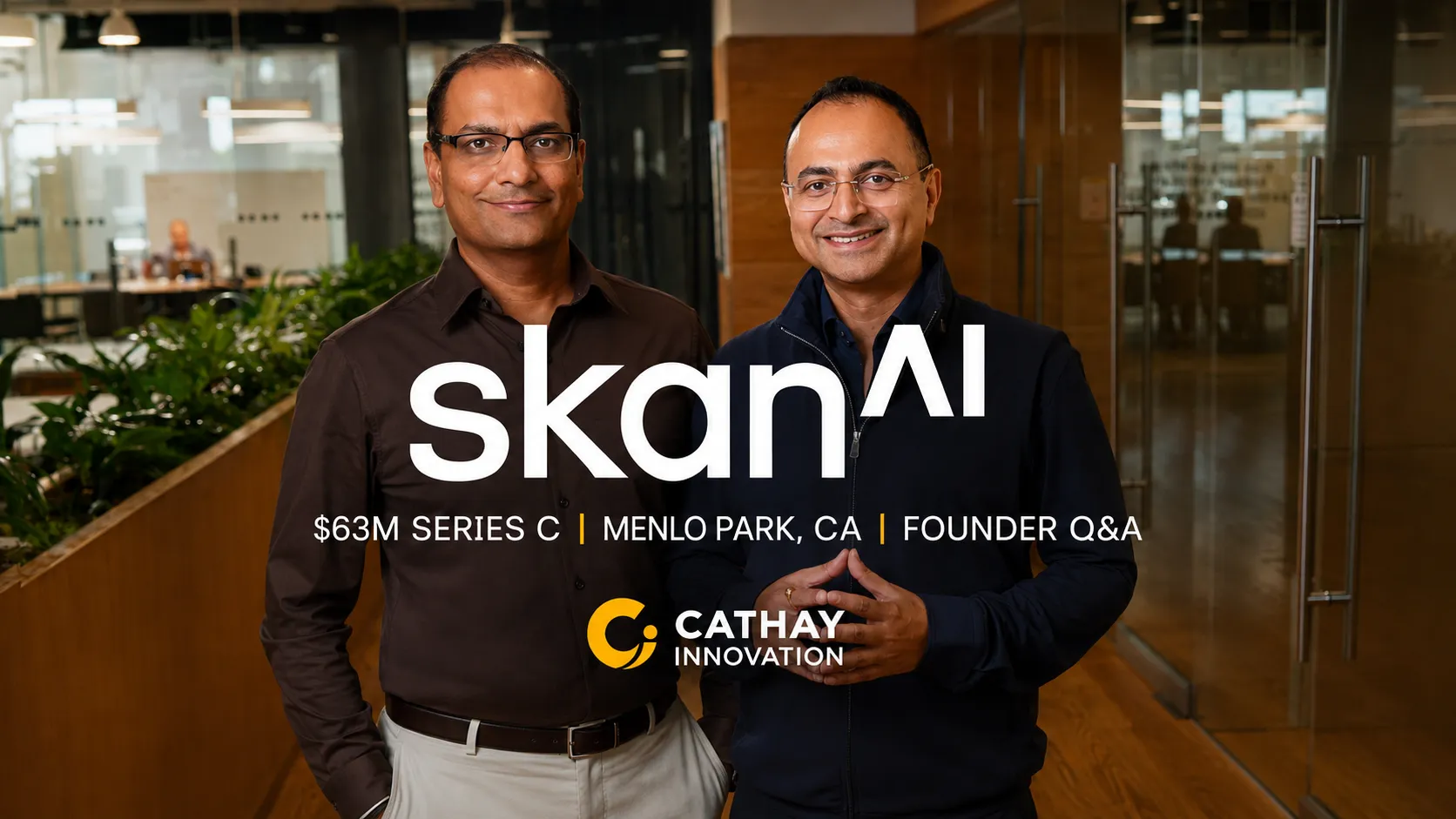
Skan AI, a company building artificial intelligence tools for enterprise process intelligence and workflow automation, has secured $63 million in fresh funding to accelerate its expansion, according to details disclosed this week as part of a broader wave of enterprise AI funding activity.
The round reflects continued investor appetite for AI companies focused specifically on enterprise workflow and process optimisation use cases, a category that has attracted sustained capital even as broader venture funding has become more selective and concentrated among AI-focused startups over the past two years.
Enterprise process intelligence, sometimes referred to within the industry as process mining or workflow analytics, has existed as a distinct software category for well over a decade, but the integration of modern AI capabilities has meaningfully expanded what such platforms can offer, moving beyond simple process visualisation toward genuinely predictive and prescriptive operational recommendations.
For enterprise software investors more broadly, Skan AI's raise adds to a growing body of evidence that capital continues to flow toward AI companies solving clearly defined, measurable operational problems, even as broader venture funding for less differentiated AI applications has become considerably harder to secure.
Skan AI's core offering centres on helping large organisations understand and optimise their internal operational processes using AI-driven analysis of how work actually flows through an enterprise, an approach that has gained traction as companies increasingly seek to identify inefficiencies before applying automation or AI tools to specific workflows. This process-intelligence-first approach differentiates Skan AI from a broader category of enterprise AI companies focused primarily on generative AI applications, positioning the company within a more analytically grounded segment of the enterprise software market.
The fresh capital is expected to support continued product development, expanded go-to-market efforts targeting large enterprise customers, and further investment in the underlying AI models that power the company's process analysis capabilities. Enterprise AI companies focused on operational efficiency and process optimisation have generally demonstrated more resilient fundraising dynamics than consumer-facing AI applications, as enterprise buyers increasingly demand demonstrable return on investment before committing significant budget to AI tools.
Large enterprise customers evaluating platforms like Skan AI's typically cite the ability to identify hidden inefficiencies across complex, cross-departmental workflows as the primary value driver, particularly in large organisations where individual department heads may have limited visibility into how processes actually function once they cross organisational boundaries into other teams' areas of responsibility.
The competitive landscape for enterprise process intelligence has grown increasingly crowded as both established enterprise software vendors and a new generation of AI-native startups compete for enterprise budget, a dynamic that has made differentiated data assets and demonstrated customer outcomes increasingly important criteria for investors evaluating which companies in the category possess genuinely durable competitive advantages.
Return-on-investment measurement has become an increasingly central requirement in enterprise AI procurement decisions, with chief financial officers and technology budget holders demanding considerably more rigorous business case justification for AI tool purchases than was typical during the initial wave of generative AI enthusiasm, a shift that has directly benefited process intelligence platforms able to demonstrate concrete, quantifiable operational savings.
The broader enterprise AI funding landscape has shown a clear bifurcation over the past eighteen months, with investors increasingly distinguishing between AI companies offering thin wrappers around large language model APIs and those, like Skan AI, that have built proprietary data assets, domain-specific models or defensible technical moats around their core offering. This distinction has become increasingly important to venture investors as the initial enthusiasm for generative AI applications has matured into more rigorous scrutiny of which companies possess genuinely durable competitive advantages.
For enterprise customers evaluating AI process intelligence tools, the category represents an increasingly important complement to broader digital transformation initiatives, offering organisations visibility into operational bottlenecks and inefficiencies that might otherwise remain hidden within complex, cross-departmental workflows. As enterprises continue to invest heavily in AI adoption more broadly, tools that help quantify and prioritise where that investment will generate the greatest operational impact have become increasingly valuable.
Skan AI's approach reportedly emphasises passive, non-intrusive observation of how employees actually interact with enterprise software systems, an approach that proponents argue generates more accurate insight into genuine operational bottlenecks than the self-reported process documentation that traditional process improvement consulting engagements have historically relied upon.
For venture investors, enterprise AI companies with clearly quantifiable return-on-investment propositions have increasingly become preferred targets within the broader AI funding landscape, as the initial wave of enthusiasm for generative AI applications with less clearly defined enterprise value propositions has given way to more rigorous evaluation of which AI use cases genuinely translate into measurable operational or financial improvement for enterprise customers.
Skan AI's existing enterprise customer base reportedly spans sectors including financial services, healthcare and insurance, industries characterised by particularly complex, highly regulated operational workflows where identifying and addressing process inefficiencies can generate substantial cost savings and compliance risk reduction simultaneously.
Skan AI's successful raise underscores that despite broader venture capital caution across many technology categories, enterprise AI companies with clear, quantifiable value propositions continue to find a receptive investor base, particularly as large organisations move from AI experimentation toward more disciplined, ROI-focused deployment strategies.
As Skan AI deploys its new capital toward continued product development and enterprise expansion, its trajectory will offer a useful signal for how effectively AI-driven process intelligence platforms can translate operational insight into the kind of durable, defensible enterprise software business that venture investors increasingly demand from the category.
Skan AI's ability to convert this funding round into demonstrable enterprise customer growth over the coming year will be an important test case for the broader enterprise process intelligence category, at a moment when investors are demanding increasingly rigorous proof of return on investment from every AI-linked enterprise software company they back.
Enterprise buyers evaluating Skan AI alongside rival process intelligence vendors are said to place particular weight on implementation speed and time-to-value, criteria that increasingly separate genuinely enterprise-ready AI platforms from those still requiring lengthy, consultant-heavy deployment cycles before delivering measurable operational insight to the specific business units ultimately funding their continued adoption and renewal.