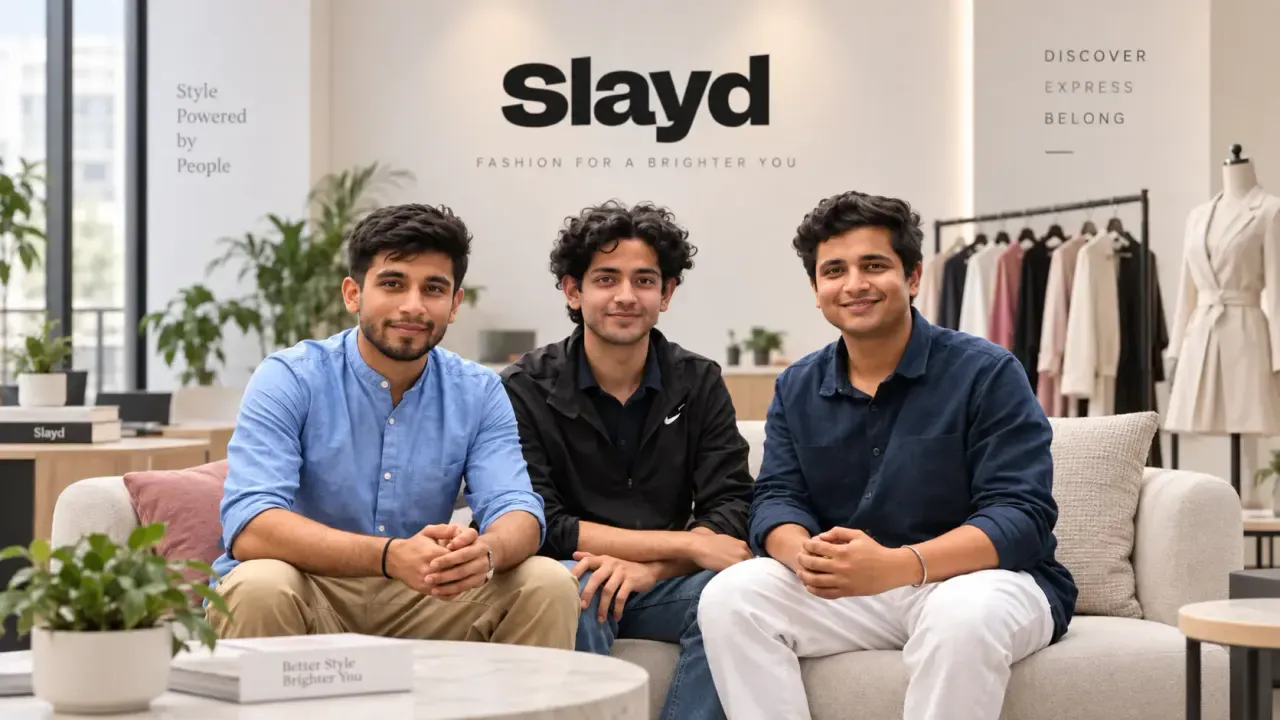
India's fashion-technology sector has picked up another early backer of note. Slayd, a fashion discovery platform built to help shoppers navigate the country's fast-expanding universe of apparel and accessory brands, has closed a pre-seed funding round led by ajvc, the early-stage venture firm known for writing some of the first institutional cheques into Indian founders. The round, announced on September 16, 2026, places Slayd among a fresh cohort of discovery-layer startups betting that the next phase of India's e-commerce growth will be won not by the retailers with the largest catalogues, but by the platforms that can help consumers find the right product inside catalogues that have become, for many shoppers, simply too large to browse.
The deal is notable less for its size — pre-seed cheques in India's fashion-tech category typically run into the low single-digit crores or a few hundred thousand dollars — than for what it signals about investor appetite at the earliest stage of company formation. ajvc has built its reputation over the past two years on moving quickly into pre-seed and seed rounds for Indian founders, often being the first name on a capitalisation table before larger funds have had a chance to underwrite the opportunity. Its participation in Slayd's round adds to a growing list of consumer and applied-AI bets the firm has made in 2026, a year in which pre-seed deal volume in India has held up even as growth-stage cheques have become more selective and concentrated among fewer, more proven companies.
Fashion discovery is not a new category, but it is one that has repeatedly been reinvented as consumer behaviour has shifted. In the previous decade, India's fashion e-commerce story was dominated by marketplace scale — Myntra, Ajio and Flipkart Fashion built enormous catalogues and relied on search and filters to help shoppers find what they wanted. That model worked well when assortments were manageable, but as more direct-to-consumer labels have entered the market and marketplaces have onboarded thousands of smaller brands, the sheer volume of choice has become a source of friction rather than convenience. Shoppers increasingly report abandoning searches midway through a session, overwhelmed by options that look similar but differ meaningfully in fit, fabric, and price point. Slayd is positioning itself to solve precisely that problem, using a discovery-first approach that surfaces relevant products based on style signals rather than requiring shoppers to already know what they are looking for.
The timing of the round is significant. India's apparel and fashion e-commerce market has continued to expand through 2026, powered by rising smartphone penetration in smaller cities, cheaper data, and a new generation of D2C labels that have chosen to sell primarily through digital channels rather than physical retail. Industry estimates place India's online fashion market on a trajectory to comfortably exceed its pre-pandemic growth curves, with Tier II and Tier III cities now contributing a larger share of new customer acquisition than the traditional metro strongholds of Mumbai, Delhi and Bengaluru. For discovery-layer startups like Slayd, that shift matters: shoppers in smaller cities often have less familiarity with individual D2C brand names and rely more heavily on recommendation and curation to build trust in a purchase.
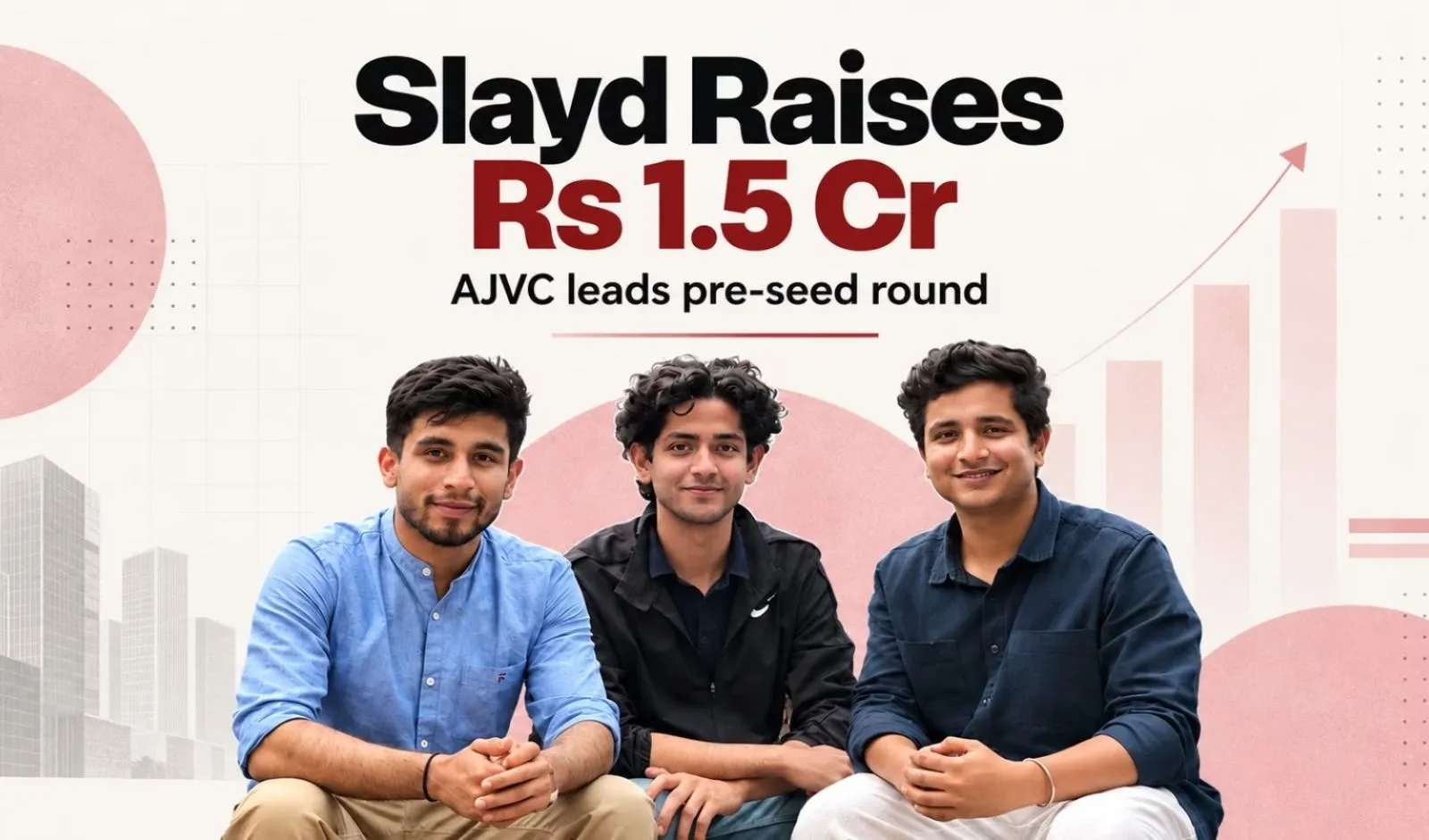
For ajvc, the Slayd investment fits a broader pattern the firm has followed through the year: backing small, focused teams tackling well-defined consumer pain points rather than attempting to build horizontal platforms from day one. The firm's approach has drawn interest from later-stage investors as well — earlier this month, Novastar Partners made a follow-on investment directly into ajvc's vehicle specifically to back the pre-seed startups in its pipeline, an unusual structure that underlines how much institutional confidence has built up around India's earliest-stage investing ecosystem in 2026. That confidence has been reinforced by a broader trend in Indian venture capital this year: while overall deal count has declined as investors write fewer, larger cheques at growth stage, activity at the pre-seed and seed level has remained comparatively resilient, suggesting investors still see India's founder pipeline as deep even as they have become more selective about which companies to back with meaningful capital.