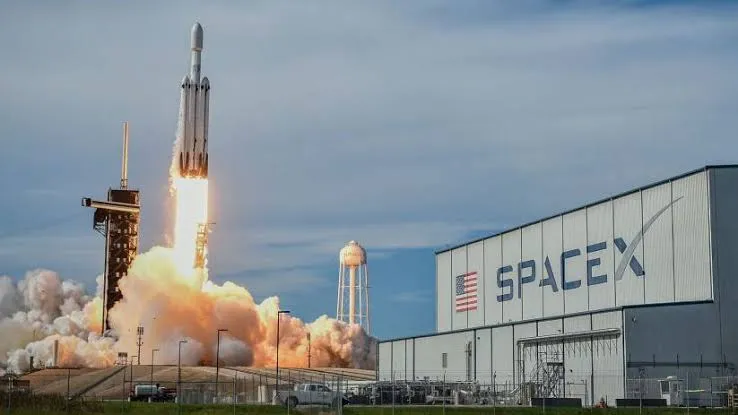
SpaceX is reportedly planning a $100 billion launch complex, according to reporting published August 26, 2026, a scale of investment that would represent one of the largest single infrastructure commitments in the history of the commercial space industry and a further signal of the company's ambitions to dramatically increase the cadence and scale of its launch operations in the years ahead.
While specific details of the planned complex's location, timeline and precise scope remain closely held, the reported scale of investment underscores the extraordinary capital intensity that has come to define the current era of commercial space infrastructure development, as SpaceX and a small number of competitors race to build the launch capacity required to support increasingly ambitious space-based ventures, from satellite internet constellations to eventual crewed missions to the Moon and Mars.
SpaceX's existing launch infrastructure, including its facilities at Cape Canaveral in Florida and Starbase in Texas, has already supported a launch cadence far exceeding that of any other space organisation globally, whether commercial or government-operated. A $100 billion investment in additional launch infrastructure would represent a substantial further scaling of this capacity, potentially aimed at supporting the company's ambitions around its Starship vehicle, which SpaceX has positioned as central to both its satellite deployment business and its longer-term plans for interplanetary transport.
The reported investment arrives amid a broader acceleration of capital deployment across the space and adjacent infrastructure sectors, occurring alongside a wave of similarly outsized capital commitments across the technology industry more broadly this week, including OpenAI's continued infrastructure investments, Samsung's new AI memory technology, and Alibaba's multi-billion-dollar AI infrastructure push in Hong Kong. Taken together, these developments illustrate an unusually capital-intensive moment across multiple frontier technology sectors simultaneously, as companies race to build the physical infrastructure — whether for AI compute, memory production, or space launch capacity — that they believe will underpin the next phase of their respective industries' growth.
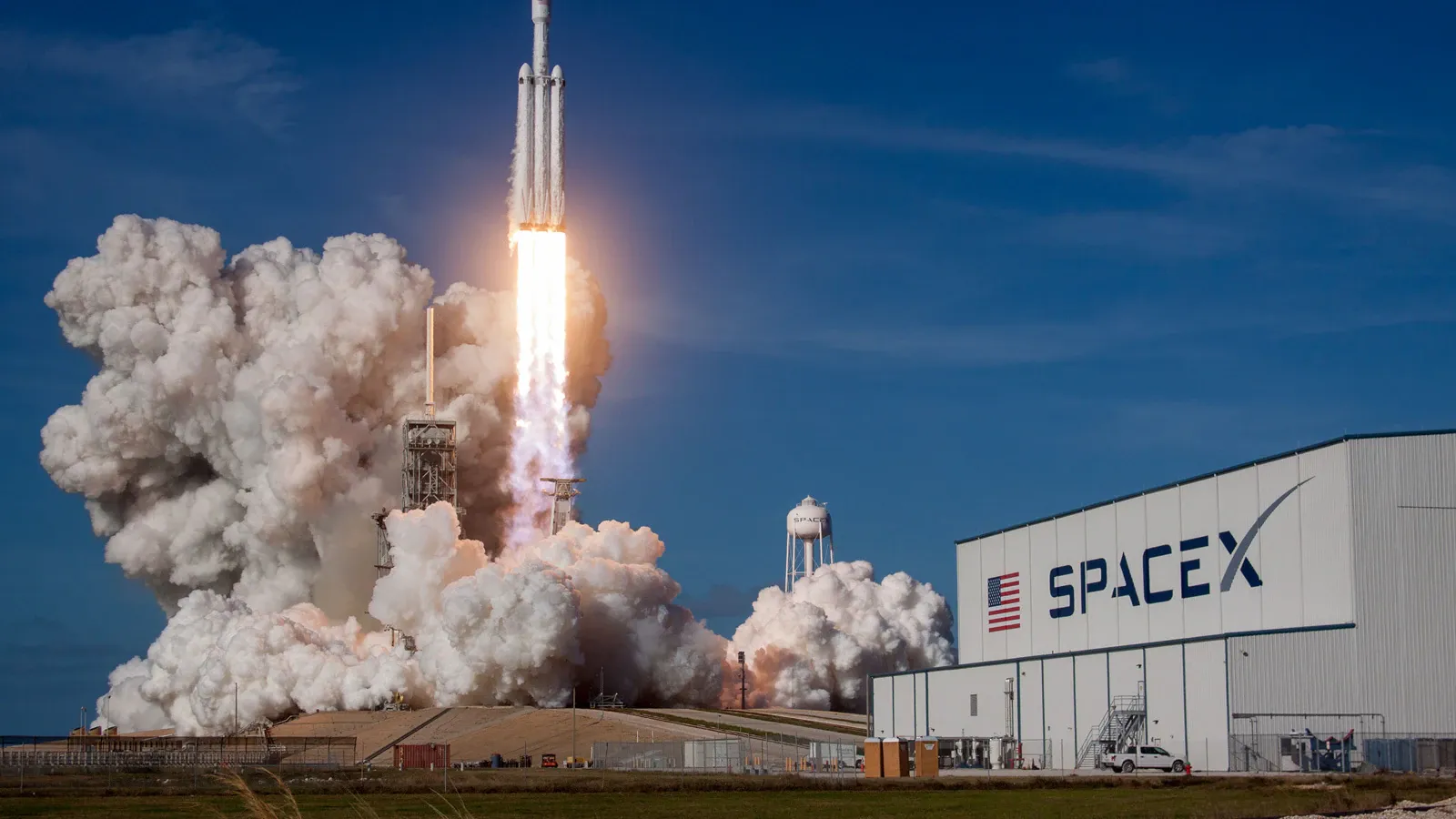
For the broader space industry, a launch complex of this scale, if realised, would further entrench SpaceX's dominant position within the commercial launch market, a position the company has built over more than two decades through a combination of reusable rocket technology, aggressive cost reduction, and a launch cadence that has consistently outpaced both government space agencies and other commercial competitors. The scale of the reported investment also raises questions about how SpaceX intends to finance the project, given the company's continued reliance on a combination of private capital, government contracts, and revenue generated through its Starlink satellite internet business.
Industry analysts will be watching closely for further details on the project's location, funding structure and intended use cases, as well as any regulatory or environmental review processes that a launch complex of this magnitude would likely need to navigate, particularly given the scale of land use, community impact and airspace coordination that infrastructure projects of this size typically require.
As commercial space activity continues to expand globally, SpaceX's reported plans serve as a reminder of the scale of capital now being committed to space infrastructure by private companies, a trend that stands in notable contrast to the traditionally government-dominated space programmes of previous decades, and one that is likely to continue reshaping the competitive and economic dynamics of the global space industry for years to come.


