FundingVenture Capital2 MIN READ

Stoke Space Raises $1 Billion as Reusable Rocket Startup Takes Aim at SpaceX

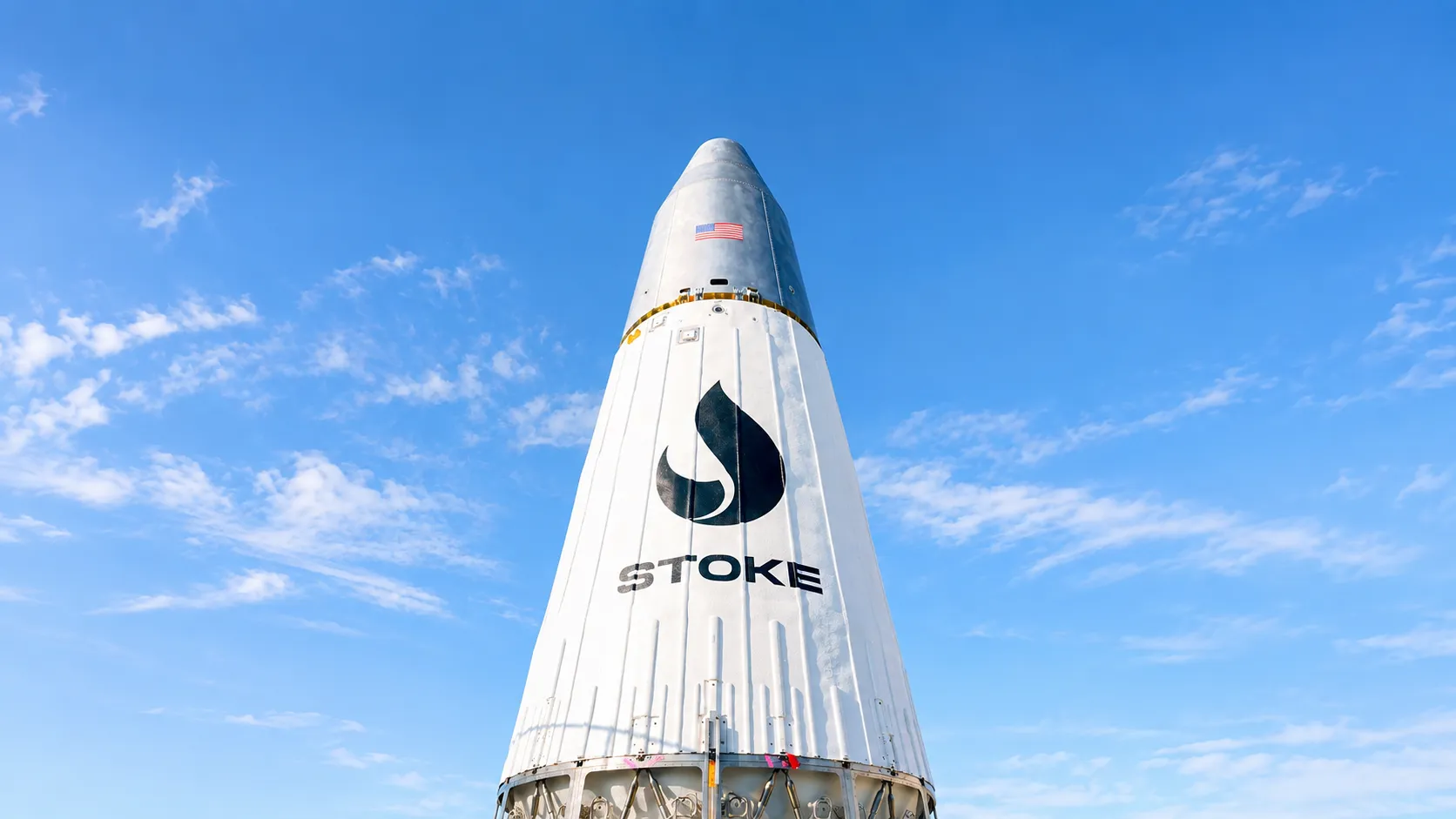
Stoke Space has completed the initial $1 billion close of a Series E round to develop a fully reusable orbital rocket, taking its total capital raised to roughly $2.3 billion as it prepares for its first Nova launch.

By Aravind Kumar · Author9 September 2026Breaking
Stoke Space Raises $1 Billion as Reusable Rocket Startup Takes Aim at SpaceX

Stoke Space has completed the initial $1 billion close of a Series E financing round, the company confirmed on September 8, 2026, as the US launch startup pushes to develop a fully reusable orbital rocket capable of competing in a launch market still dominated by SpaceX. Point72 Ventures and Spark Capital co-led the financing, joined by returning investors including General Innovation, Glade Brook Capital, the U.S. Innovative Technology Fund, Washington Harbour Partners, Woven Capital and Y Combinator. The latest round brings Stoke's total capital raised to roughly $2.3 billion.

The company plans to direct the new capital toward expanding manufacturing capacity and building out the testing, launch and vehicle-recovery infrastructure required to support its Nova rocket programme. Stoke is pursuing full reusability for both the first and second stages of its rocket — an engineering challenge that few commercial launch companies have successfully attempted, given the additional thermal-protection, guidance and structural engineering required to recover a second stage from orbital or near-orbital velocities, a far harder problem than recovering a first stage.

Stoke's first Nova Pathfinder flight has been pushed from a previously targeted late-2026 window into early 2027, giving the company additional time to complete qualification testing and launch-site preparations. The delay, while notable, is broadly consistent with development timelines across the commercial launch sector, where technically ambitious reusability programmes have historically required more time than initial public targets suggested — a pattern SpaceX itself experienced during the development of its own reusable Falcon 9 first stage.
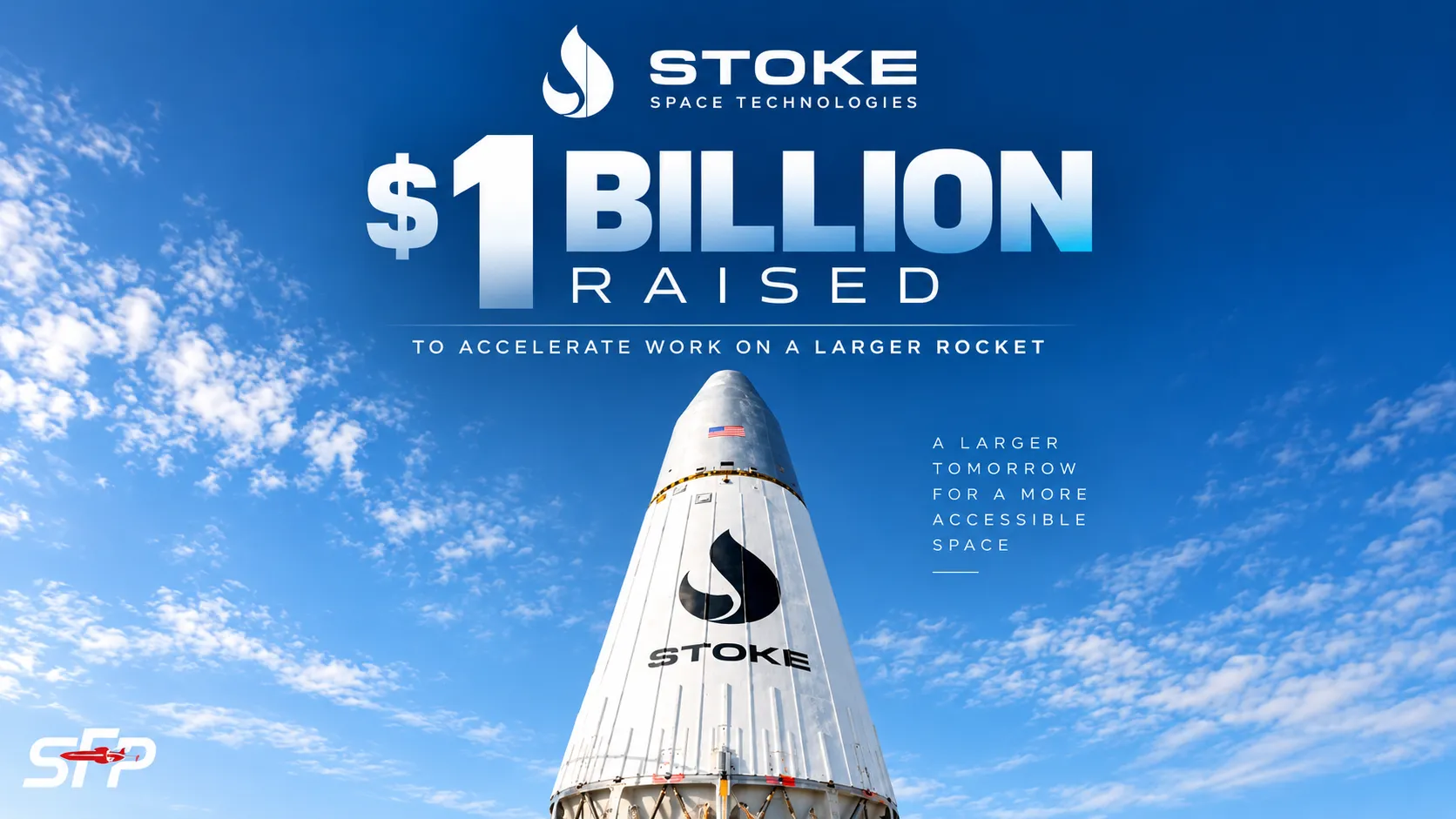

A billion-dollar round for full-stage reusability shows investors still believe genuine competition to SpaceX's launch economics is a bet worth making.
TIGI Funding Desk
ChatGPT Image Sep 9, 2026, 12_03_09 PM.png

The scale of Stoke's raise reflects growing investor confidence in capital-intensive space infrastructure, despite the substantial technical risks inherent in developing genuinely novel reusable launch systems. SpaceX has already demonstrated that reusability can fundamentally alter launch economics, dramatically lowering the cost per kilogram to orbit and reshaping the broader satellite and space-infrastructure industry that depends on affordable launch access. Meaningful competition in that reusable-launch category, however, has remained limited, with most rival launch providers still relying primarily on expendable or partially reusable vehicles.

If Stoke succeeds in repeatedly recovering both stages of its Nova rocket, the company could offer satellite operators, government agencies and defence customers a genuine second option for fully reusable launch, introducing competitive pressure on pricing and availability in a market segment where SpaceX has faced limited direct competition. For government and defence customers in particular, having a credible domestic alternative to SpaceX carries strategic value independent of pure cost considerations, given ongoing concerns about launch-provider concentration risk.

Industry analysts note that Stoke's $1 billion raise — among the largest ever completed by a commercial launch startup at this stage of development — signals that investors remain willing to underwrite the multi-year, capital-intensive path required to bring a genuinely novel reusable rocket to operational status, even amid a broader venture funding environment that has grown more selective toward capital-intensive hardware businesses over the past two years.

TagsStoke SpaceFundingSpaceRocketsSpaceXSeries EAerospace

Reader reviews

Sign in to rate and review this article.
Loading reviews…