StartupsLatest5 MIN READ

Style Union Parent Raises ₹485 Crore Led by Venturi Partners as India's Value Fashion Boom Draws Big Cheques

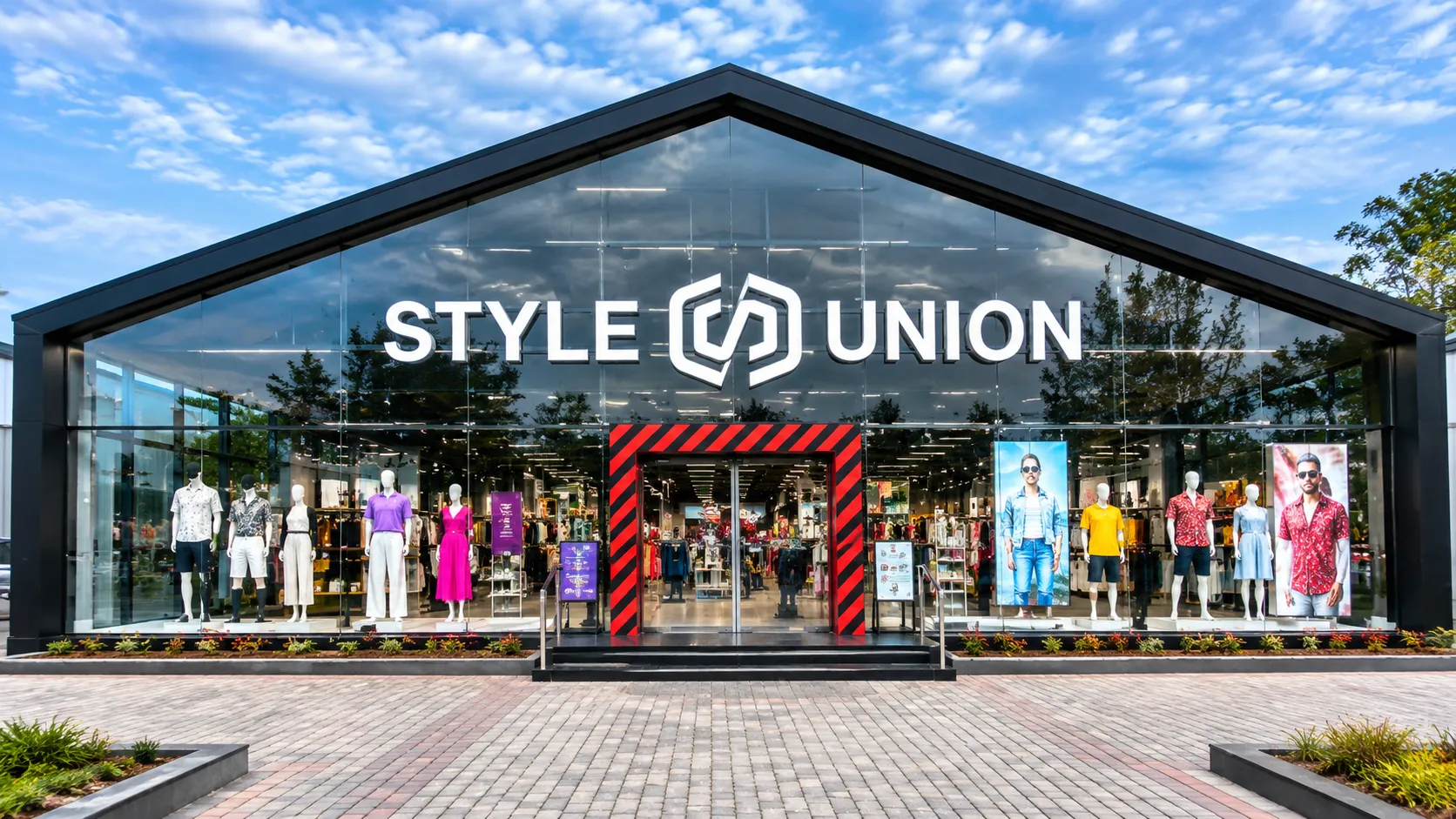
Nexon Omniverse, which runs value fashion retailer Style Union, has raised ₹485 crore in a Series E round of primary and secondary capital led by Venturi Partners and co-led by Elev8 Venture Partners, Business Standard reported on November 19. The profitable chain, which opened 200 stores in under four years, plans to expand from South India into the West and North.

By Nisha Omkumar · Author20 November 2026New
Style Union Parent Raises ₹485 Crore Led by Venturi Partners as India's Value Fashion Boom Draws Big Cheques

India's next big consumer story may not be luxury handbags or premium sneakers. Investors are increasingly betting it will be affordable fashion sold in neighbourhood stores across smaller cities.

Nexon Omniverse, the parent company of value fashion retailer Style Union, has raised ₹485 crore in a Series E funding round, Business Standard reported on Thursday, November 19. The round, which combined primary and secondary capital, was led by Venturi Partners and co-led by Elev8 Venture Partners. Rainmaker acted as the exclusive financial adviser on the transaction.

Rapid store expansion

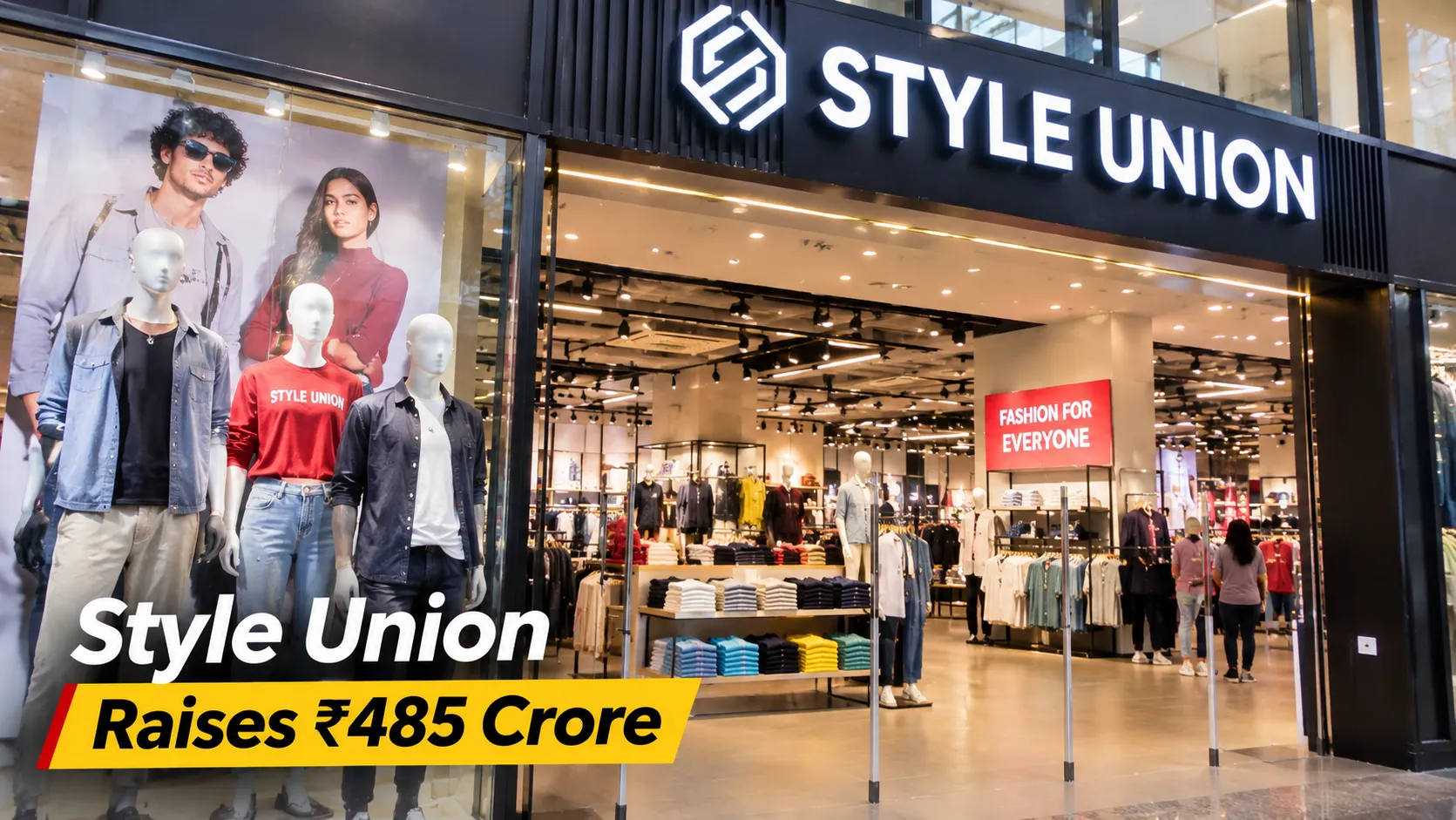
Style Union has opened 200 stores in less than four years, according to Business Standard, and the company is profitable. It plans to use the new capital to expand beyond its base in South India into western and northern markets.

The chain sells affordable apparel for men, women and children, positioning itself in the value fashion segment, which caters to price-conscious consumers who want fashionable clothing at accessible prices.

Business Standard reported that the round valued the company at about ₹8,000 crore, a figure that the company has not confirmed.

The investors' view

Nicholas Cator, a partner at Venturi Partners, said: "Value fashion is where India's next wave of consumption will happen," according to Business Standard.

Venturi Partners is a consumer-focused investment firm that backs brands in India and Southeast Asia. Elev8 Venture Partners invests in growth-stage Indian companies.

Rajesh Seth, the founder of Style Union, Kashyap Parikh of Elev8 and Navin Honagudi, a co-founder, also commented on the deal in statements reported by Business Standard, emphasising the company's expansion plans and its focus on delivering quality fashion at affordable prices.

Why value fashion is booming

India's value fashion segment has grown rapidly as rising incomes, urbanisation and aspirations in smaller towns drive demand for branded clothing. Consumers in Tier 2 and Tier 3 cities, who were once served mainly by unorganised local shops, increasingly prefer organised retail chains that offer consistent quality, wider choice and a modern shopping experience.

The segment has been led by large players such as Trent's Zudio, which has become one of India's fastest-growing retail formats, as well as Reliance Retail's Yousta, V-Mart and Vishal Mega Mart. Zudio's success has demonstrated the potential of low-price, high-volume fashion retail in India, attracting investor interest to the segment.

Physical stores still matter

While e-commerce has grown rapidly in India, physical stores remain important in fashion, particularly in smaller cities where consumers like to touch and try clothes before buying. Value retailers keep costs low by using efficient supply chains, quick inventory turnover and stores in high-footfall locations with moderate rents.

Style Union's profitability is notable at a time when many consumer startups have struggled to turn a profit. Investors have become more focused on unit economics and sustainable growth since the funding slowdown of 2022 and 2023.

The competitive challenge

Expanding into western and northern India will bring Style Union into direct competition with well-established players. Zudio, backed by the Tata Group, has hundreds of stores across the country, while Reliance Retail has the scale and resources to compete aggressively on price.

Success will depend on Style Union's ability to find good store locations, build brand awareness in new regions, adapt its product range to local preferences and maintain profitability as it scales.

The secondary component

The inclusion of secondary capital means some existing shareholders sold part of their holdings to the new investors. Secondary transactions allow early investors and employees to realise returns while giving new investors a larger stake. They have become more common in India's private markets as companies stay private for longer.

“Value fashion is where India's next wave of consumption will happen.”
— Nicholas Cator, Venturi Partners

What it means for India's consumer economy

India's consumption story is increasingly being written outside the largest cities. Retailers, consumer brands and financial services companies are expanding in smaller towns, where rising incomes and digital access are creating a new generation of consumers.

Value fashion is a key part of this shift, because clothing is one of the first categories where households upgrade as their incomes rise. The success of companies like Style Union and Zudio reflects the growing purchasing power of India's middle and aspiring classes.

The investment trend

The deal is part of a broader revival in investment in Indian consumer brands. Investors have backed companies in segments such as quick-service restaurants, beauty, fashion and food, attracted by India's large and growing consumer market. Many of these companies are preparing for eventual public listings, as Indian stock markets have shown strong appetite for consumer businesses.

The founders' approach

Style Union's model emphasises a combination of affordable prices, trend-led designs and a store experience comparable to larger national chains. By focusing first on South India, the company was able to build density in a region where it understood customer preferences, supply chains and real estate markets.

That regional depth helped the company reach profitability before raising large amounts of capital, a sequence that investors increasingly favour after a period in which many consumer startups expanded quickly but struggled to make money.

44461d9d-a480-4b14-93bd-6df45e1e5396 (1).png

Supply chain is the hidden advantage

In value fashion, success depends heavily on supply chain efficiency. Retailers must design, source and deliver new styles quickly and cheaply, while keeping inventory under control to avoid heavy discounting. Many value retailers work closely with manufacturers in India's textile clusters, such as Tiruppur, Surat and Ludhiana.

Companies that can shorten the time from design to store shelf can respond faster to trends and reduce unsold stock, improving margins in a low-price business.

Why South India first

South India has some of the country's most urbanised states and a large network of mid-sized cities with rising incomes, making it an attractive starting point for organised retail. The region's consumers have also shown strong demand for branded apparel at accessible prices.

Moving into western and northern India will test whether Style Union's model can travel across regions with different climates, tastes, festivals and shopping habits.

What it means for shoppers

For consumers, the expansion of organised value fashion chains means more choice, better quality and more consistent sizing and pricing than many local shops can offer. Shoppers in smaller cities increasingly expect the same trends they see on social media and in metro malls, at prices they can afford.

Competition among chains such as Style Union, Zudio and Yousta is likely to keep prices low and push retailers to refresh their collections more frequently, benefiting customers while squeezing margins for weaker players. Retailers that combine affordable prices with a pleasant store experience are best placed to win loyalty in this fast-growing segment of Indian retail.

What comes next

Style Union will now focus on opening stores in new regions. Investors will watch its store economics, same-store sales growth and profitability as it expands beyond South India, as well as whether it eventually considers a public listing.

TagsStyle UnionNexon OmniverseVenturi PartnersElev8 Venture Partnersvalue fashionapparel retailSeries ERajesh SethNicholas CatorKashyap ParikhNavin HonagudiRainmakerretail expansionTier 2 citiesconsumer brandsIndian startupsfashion retailD2Cfundinginvestors

Reader reviews

Sign in to rate and review this article.
Loading reviews…

