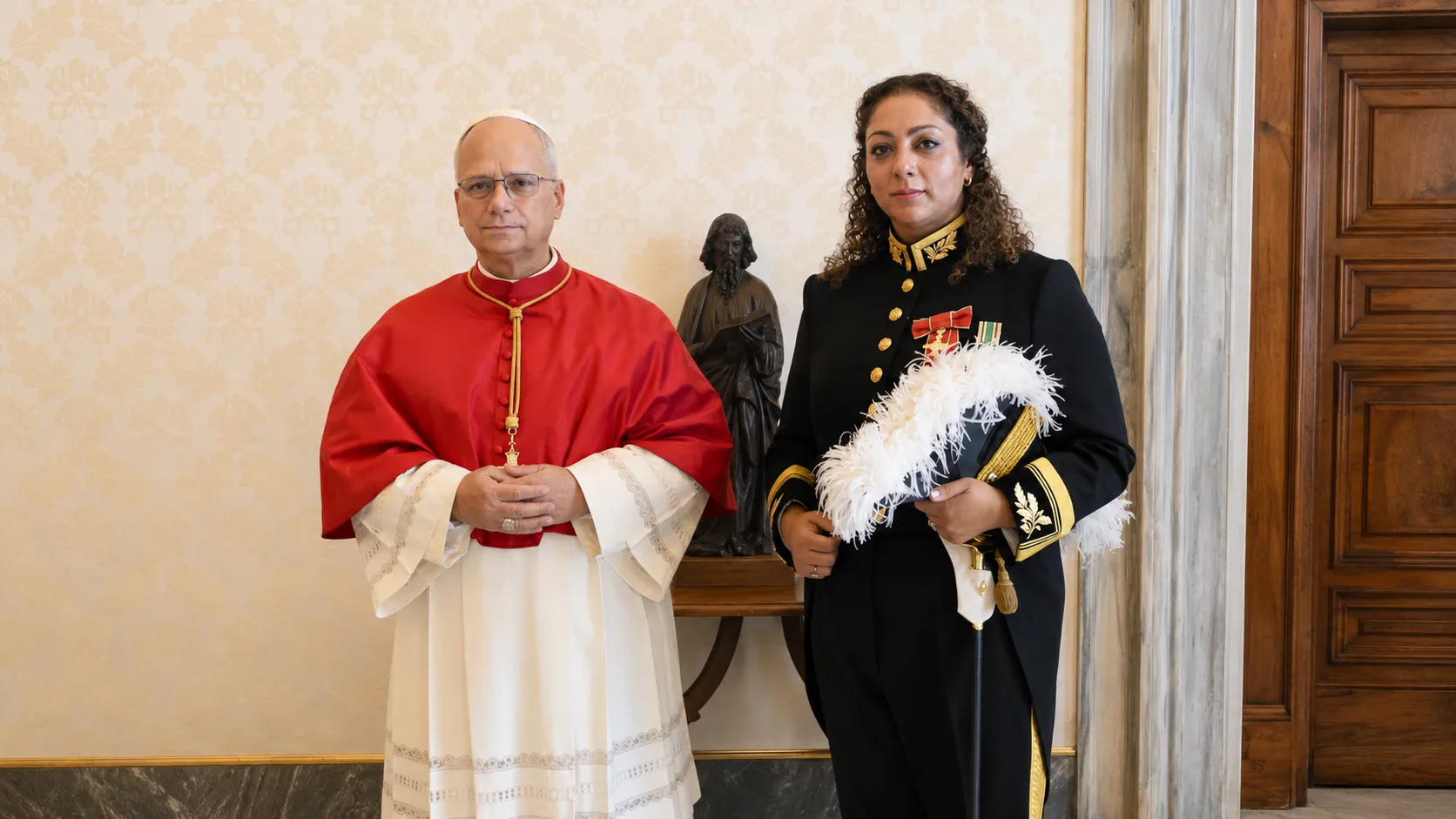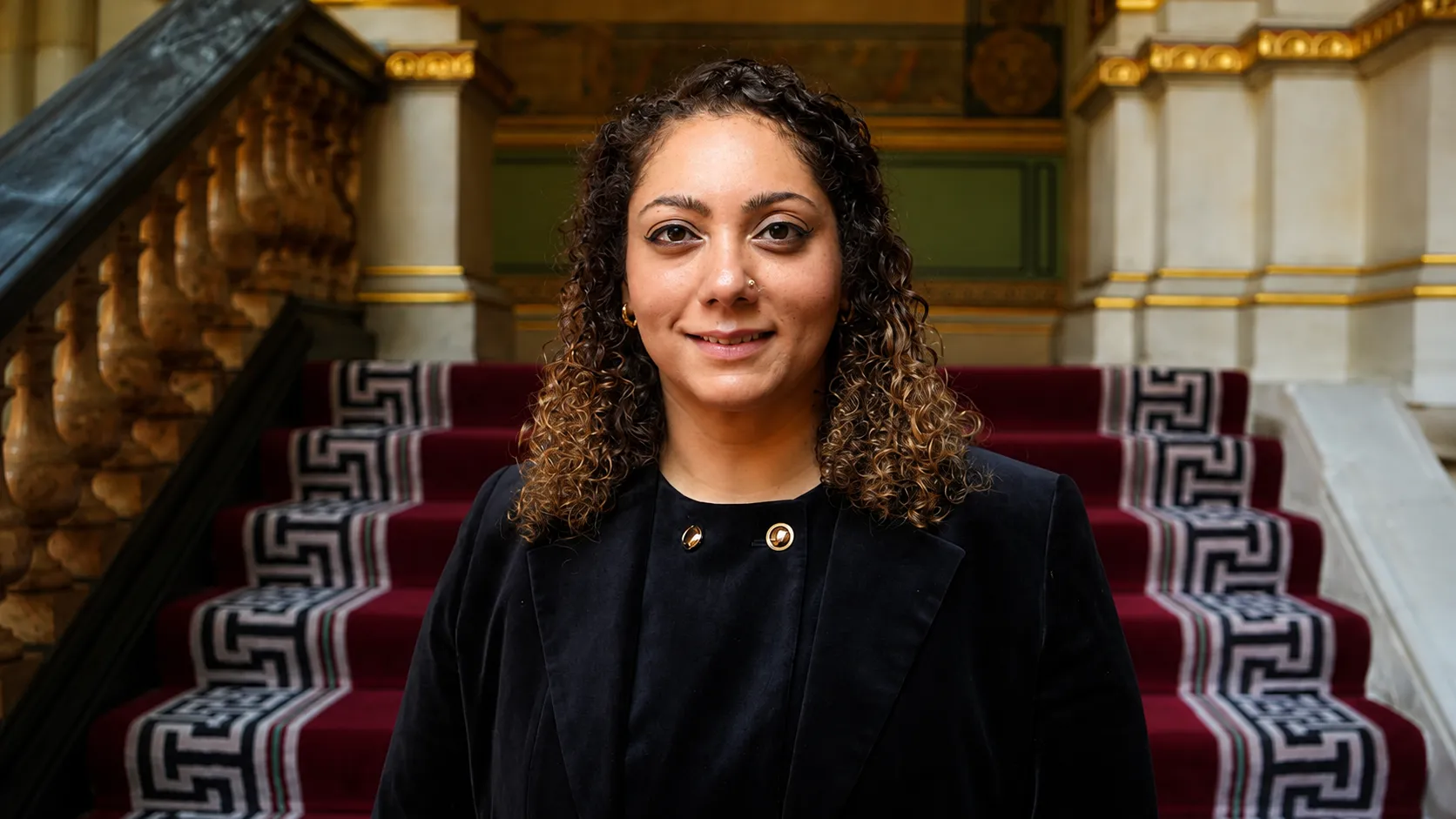
Tammy Sandhu MBE, a British community leader recognised for her longstanding work bridging faith and civic life, has taken up a historic ambassador role connected to the Vatican, a development reported alongside images of her meeting Pope Leo XIV. The appointment is being described within British Asian and interfaith circles as a landmark moment, reflecting the increasingly prominent role that diaspora community leaders are playing in formal interfaith and cross-cultural diplomacy well beyond the boundaries of their own religious traditions.
Sandhu's MBE, awarded in recognition of her contributions to community and public life in Britain, has long positioned her as one of the more visible figures within the UK's broader interfaith and civic-engagement landscape, work that has evidently extended into this new formal capacity connected to the Vatican. Her elevation into a role explicitly linked to the Holy See marks a notable moment for a figure whose public profile has been built substantially around community bridge-building across Britain's diverse religious and cultural communities.
The historic nature of the appointment reflects the still-relatively rare instances in which figures from outside the Vatican's traditional Catholic diplomatic and ecclesiastical channels take up formally recognised ambassadorial or representative capacities connected to the Holy See, particularly individuals whose public profile has been built around interfaith rather than exclusively Catholic community engagement. Such appointments are typically read as signals of the Vatican's own evolving approach to interfaith diplomacy under successive pontificates, each of which has placed varying degrees of emphasis on formal engagement with leaders from other faith traditions and civic backgrounds.
For Britain's Indian and South Asian diaspora communities, many of whom practise faiths distinct from Catholicism yet maintain deep and often multigenerational engagement with Britain's broader multi-faith civic infrastructure, Sandhu's appointment carries symbolic significance beyond its immediate diplomatic function. It reinforces a pattern in which diaspora community leaders increasingly occupy formal representative roles within institutions and traditions outside their own immediate faith background, reflecting Britain's particular model of pluralistic civic life in which interfaith cooperation has become an increasingly institutionalised feature of public and community leadership.
Pope Leo XIV's own tenure has been closely watched for signals of continuity or departure from his predecessors' approaches to interfaith engagement, and formal meetings or appointments involving prominent non-Catholic community figures are typically interpreted within Vatican-watching circles as meaningful indicators of the current pontificate's priorities on this front. Sandhu's new role and her documented meeting with the Pope are likely to be read within this broader context by observers tracking the Vatican's evolving interfaith posture.
Community leaders occupying bridge-building roles of this kind frequently describe their work in terms of translating between distinct cultural and religious vocabularies, helping institutions and communities that might otherwise interact only rarely find common ground on matters of shared civic concern — from social cohesion and charitable collaboration to responses to shared challenges facing multi-faith societies more broadly. Sandhu's new Vatican-connected role appears consistent with this broader pattern of interfaith bridge-building that has characterised her public career to date.