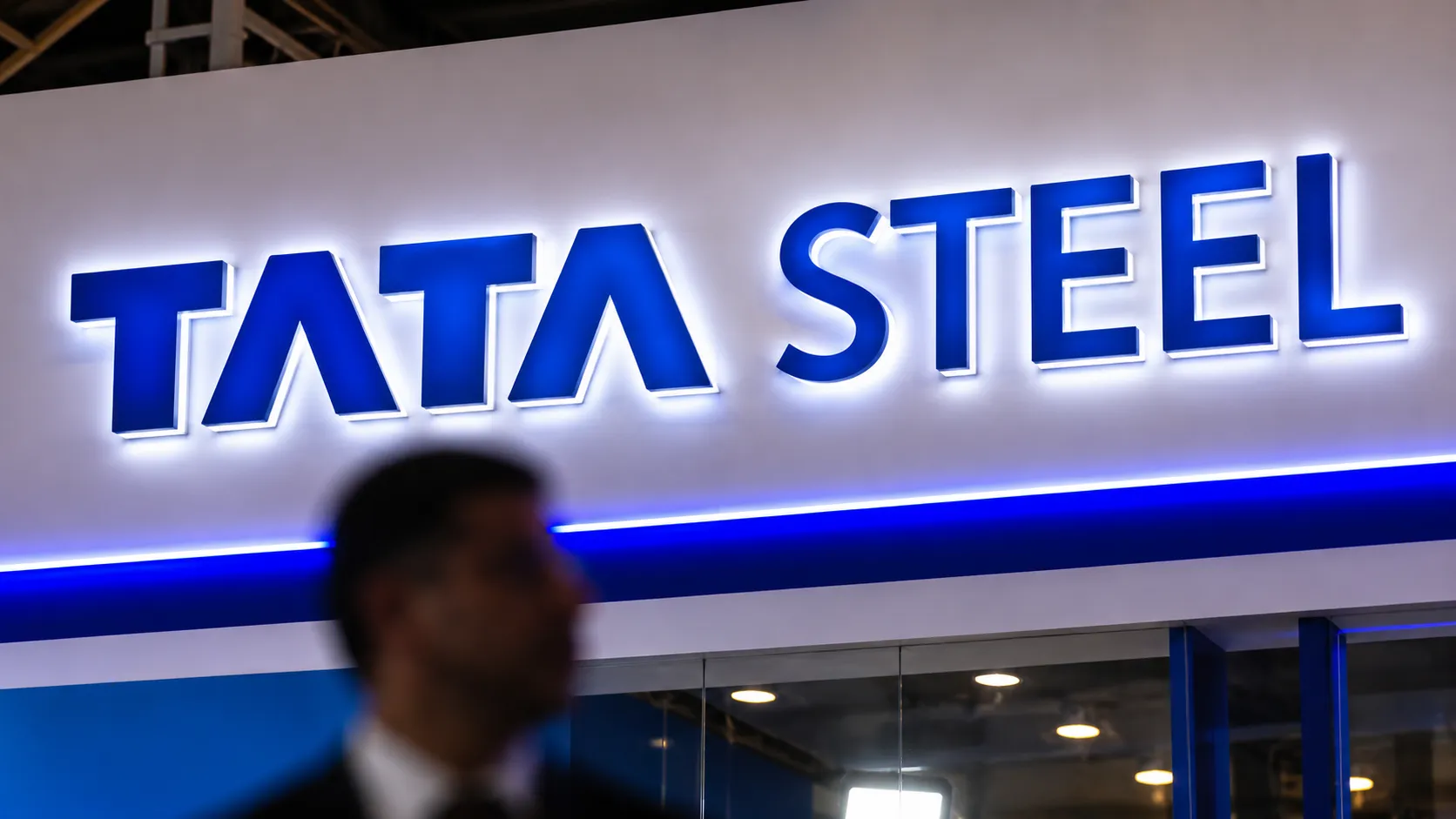
Tata Steel, India's oldest private steelmaker, has agreed to sell two of its downstream businesses to APL Apollo Tubes in a transaction worth ₹28,000 crore. The deal is one of the largest corporate transactions in the Indian steel sector this year and a significant reshaping of the country's market for value-added steel products.
According to details announced on Sunday, November 22, Tata Steel will transfer its tubes business to APL Apollo Tubes for ₹11,700 crore. It will also divest Tata Steel Colors, its coated and pre-painted steel subsidiary, for ₹16,300 crore. Together, the two transactions add up to ₹28,000 crore.
Tata Steel described the move as part of a strategic rationalisation plan. APL Apollo said the acquisition of the coated steel business would expand its capacity and broaden its market reach.
The companies have not yet disclosed the closing timeline, the regulatory approvals required or the payment terms. Deals of this size typically require clearance from the Competition Commission of India, and the market will be watching for those details in the coming weeks.
What Tata Steel is selling
The tubes business is one of the better-known downstream operations in Indian steel. It makes steel pipes and hollow sections used in construction, infrastructure, furniture, automobiles and general engineering. The business has a long history within the Tata Steel group and an established brand among builders and fabricators.
Tata Steel Colors, formerly Tata BlueScope Steel, makes metallic-coated and colour-coated steel products. These are widely used in roofing, wall cladding, pre-engineered buildings, warehouses and consumer durables.
Tata Steel took full control of the business after buying out BlueScope Steel's stake. It acquired the 50% stake held by its Australian partner in late 2025 and completed the purchase of the remaining shares in April 2026, making Tata Steel Colors a wholly owned subsidiary.
The sale therefore comes within months of Tata Steel consolidating full ownership. That sequence suggests the company may have been preparing the business for a sale on its own terms, with a clean ownership structure that would make it easier for a buyer to integrate.
Why Tata Steel is pruning
Tata Steel has spent the past few years simplifying its corporate structure. It has merged a long list of subsidiaries into the parent company, and it is completing the integration of Neelachal Ispat Nigam Ltd, the Odisha steelmaker it acquired in 2022.
The company has also been investing heavily in primary steelmaking capacity in India, including expansion at its Kalinganagar plant. Selling downstream units for a large cash sum could help fund that expansion, reduce debt or strengthen the balance sheet. Tata Steel continues to face a costly restructuring of its European operations, particularly in the Netherlands and the United Kingdom.
For a steelmaker, downstream businesses can be attractive because they add value and smooth out earnings. However, they also require separate management attention, distribution networks and marketing. Tata Steel appears to have concluded that a specialist buyer can extract more value from these businesses than it could, while it focuses on producing steel at scale.
APL Apollo's ambitious bet
For APL Apollo Tubes, the deal is transformational. The Delhi-based company has grown to become India's largest maker of structural steel tubes, building a strong brand among builders and distributors. Its strategy has centred on replacing traditional construction materials such as wood, concrete and conventional steel sections with lighter, pre-fabricated steel tubes.
Acquiring Tata Steel's tubes business would consolidate APL Apollo's leadership in the segment, adding manufacturing capacity, customers and distribution. Buying Tata Steel Colors would take it further into coated steel products, an adjacent market that serves many of the same construction and infrastructure customers.
The combined ₹28,000 crore price tag is large relative to APL Apollo's size. How the company plans to finance the acquisitions, whether through internal cash flow, debt, equity issuance or a combination, will be a key question for investors.
Context: a promoter stake under review
The transaction comes at an interesting moment for APL Apollo. Earlier in the week, reports said the company's promoter family was exploring a potential sale of its stake. The Gupta family's 28.18% holding was valued at about ₹17,000 crore at the November 19 share price of ₹2,175. Analysts noted that any change of control would trigger an open offer to public shareholders under Indian takeover rules, potentially taking the total deal value above ₹32,000 crore.
How the Tata Steel transactions interact with those reports is not yet clear. A larger, more diversified APL Apollo could change the valuation and the interest from potential investors.
Implications for the steel products market
The deal would create a dominant player in India's structural tubes and coated steel markets. Competitors, including other tube makers and steel companies with downstream operations, may face a stronger rival with greater scale and pricing power.
India's demand for steel products is being driven by heavy public spending on infrastructure, rapid urbanisation, the growth of warehousing and logistics, and expanding manufacturing. Tata Steel has said it expects Indian steel demand to grow by 8-10% in the second half of FY2026-27. Tubes and coated products are well positioned to benefit from these trends.
Competition authorities will likely examine market shares in specific product categories and regions. Large horizontal acquisitions in India have sometimes required remedies, such as divestment of certain assets, before receiving approval.
What investors will watch
Shareholders of both companies will be looking for more detail on valuation multiples, financing and the expected timeline for completion. For Tata Steel, the key questions are how the proceeds will be used and how the sale affects its earnings mix. Downstream businesses typically earn steadier margins than commodity steel. Removing them could make Tata Steel's earnings more sensitive to steel price cycles.
For APL Apollo, investors will focus on integration risk, the impact on leverage and the potential for cost and revenue synergies. Integrating two large businesses at once is a significant management challenge.

A defining deal for Indian manufacturing
The transaction reflects a broader trend in Indian industry, as large conglomerates sharpen their focus on core businesses while specialist companies consolidate fragmented segments. Similar patterns have played out in cement, paints, consumer durables and building materials.
For the global Indian diaspora and international investors, the deal highlights the scale of capital being deployed in India's construction and infrastructure value chain. It also shows the growing confidence of Indian mid-sized companies, which are increasingly able to buy large assets from established groups.
Tata Steel's decision to sell businesses it only recently consolidated also signals a pragmatic approach to capital allocation under its current leadership. Rather than holding on to legacy assets, the company appears willing to sell where it believes a buyer can create more value.
The coming weeks will bring further detail on approvals, financing and integration plans. If completed, the deal will mark one of the most significant reshapings of India's steel products landscape in recent years, and position APL Apollo as a much larger player in the country's construction economy.