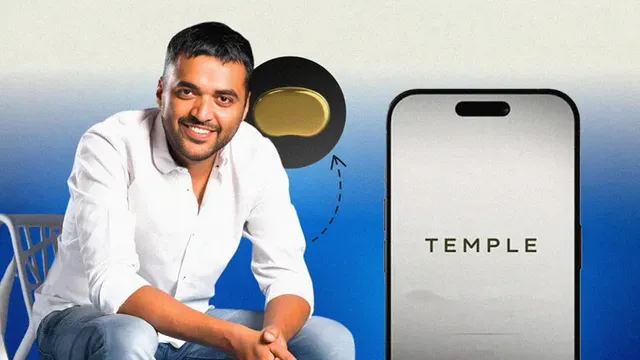
Temple, the wearable health startup founded by Zomato and Eternal co-founder Deepinder Goyal, has acquired London-based longevity medicine practice Longevous for an undisclosed sum, strengthening its clinical and scientific bench just ahead of the company's first product launch. The acquisition brings Longevous founders Robert Mohr and Avi Roy into Temple full-time, with Mohr joining as chief medical officer and Roy taking on the role of head of science.
The deal comes days after Goyal unveiled a smaller, more consumer-oriented version of Temple's flagship wearable device, with a limited-edition variant expected to open for pre-orders shortly and ship to customers by the end of 2026. Bringing an established longevity-medicine practice in-house, rather than building clinical capability from scratch, suggests Temple is prioritising credibility and scientific rigour ahead of a product category — consumer longevity tracking — that has attracted both enthusiastic early adopters and considerable scepticism from mainstream medicine.
Temple raised $54 million in seed funding in February from a roster of investors that included Steadview Capital, Peak XV Partners, Vy Capital and Info Edge Ventures — a syndicate that reflects Goyal's standing within India's startup ecosystem as much as conviction in the wearable-health thesis itself. The company has reportedly since offered employees an ESOP buyback that values the business at approximately $375 million, an unusually early liquidity event for a startup that has yet to ship its core product commercially.
Longevous's clinical practice, built by Mohr and Roy, has focused on evidence-based longevity interventions rather than the more speculative anti-ageing claims that have proliferated across the wellness industry in recent years. Their integration into Temple is likely intended to lend scientific legitimacy to the startup's forthcoming product line, positioning it against consumer wearables that emphasise fitness and sleep tracking without the deeper biomarker analysis that longevity-focused positioning implies.
The move also reflects a broader pattern among well-funded consumer hardware startups: rather than competing purely on device specifications against Apple, Whoop and Oura, Temple appears to be betting that clinical depth and physician-grade guidance will differentiate its offering in an increasingly crowded wearable market. That strategy carries execution risk — integrating a clinical practice into a hardware and software company is organisationally complex — but it also raises the credibility bar that competitors will need to match.
For Goyal, the acquisition extends a pattern of moving quickly and acquisitively in adjacent categories once he identifies a market opportunity, a playbook familiar from his tenure building Zomato into a diversified consumer platform. Whether Temple can convert scientific credibility into a commercially successful consumer device — at a valuation that already implies significant investor confidence — will become clearer once the wearable ships and early clinical claims face real-world scrutiny.
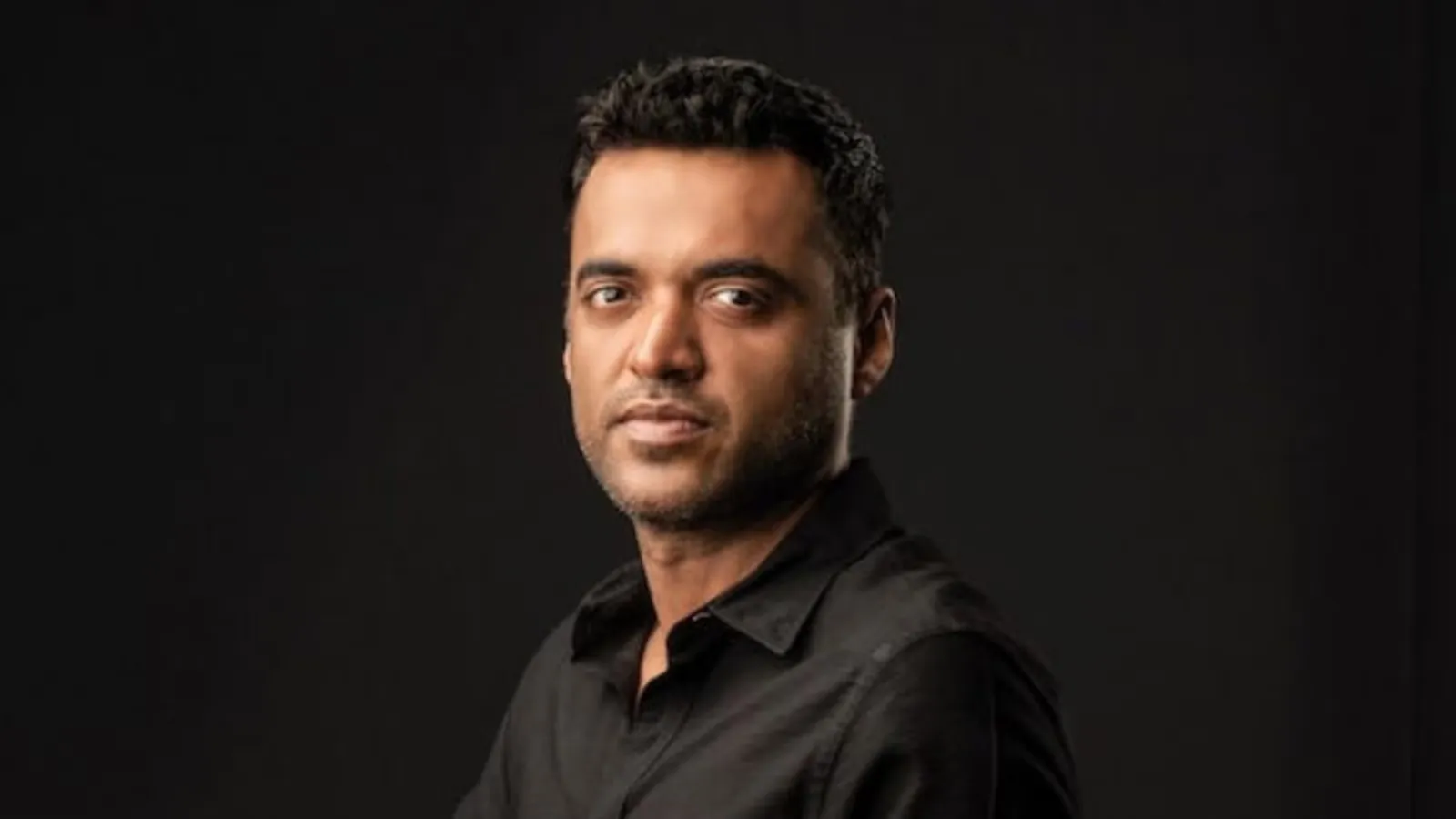
The global wearable-health category has grown increasingly crowded and commoditised over the past several years, with established players like Apple, Whoop and Oura competing largely on incremental improvements to sensor accuracy, battery life and software polish rather than fundamentally new capability. Temple's bet — that clinical-grade longevity science, delivered through a credentialed medical team, represents a genuine point of differentiation rather than a marketing veneer — will require the company to substantiate its claims with a rigour that has often eluded consumer wellness brands operating in more loosely regulated markets than pharmaceuticals or medical devices.
Mohr and Roy's backgrounds in evidence-based longevity medicine, rather than the more speculative anti-ageing interventions that have proliferated across social media and wellness marketing, could prove either an asset or a constraint depending on how Temple chooses to position its product. A scientifically conservative approach may limit the breadth of claims the company can make about its wearable's capabilities compared to less rigorous competitors, but it also reduces regulatory and reputational risk in a category that has periodically faced scrutiny from health authorities in multiple jurisdictions over unsubstantiated biometric and longevity claims.
The reported $375 million ESOP buyback valuation, offered to employees well before the company's core wearable product has reached the market, represents an unusually early liquidity event by the standards of Indian and global hardware startups, which typically require years of commercial traction before secondary liquidity becomes available to early employees. That decision likely reflects both strong investor demand for exposure to Temple ahead of any public fundraising milestone, and a deliberate retention strategy aimed at keeping key technical and scientific talent engaged through the critical pre-launch period.
Goyal's involvement inevitably invites comparisons to his tenure at Zomato, later rebranded Eternal, where he built a food-delivery business into a diversified consumer platform spanning quick commerce, event ticketing and beyond through a mix of organic product development and opportunistic acquisitions. Whether that same instinct for rapid category expansion translates successfully to hardware — a fundamentally different discipline from software-first consumer platforms, with longer development cycles, physical supply chains and regulatory considerations around medical-adjacent claims — remains one of the more closely watched questions among India's startup observers.
Beyond Temple's individual trajectory, the acquisition adds to a broader pattern of Indian consumer technology companies acquiring specialised clinical or scientific expertise from international markets rather than building such capability domestically from scratch. As Indian founders increasingly compete for premium global consumer segments rather than confining their ambitions to domestic markets alone, cross-border acquisitions of niche scientific and clinical talent may become a more common feature of the country's startup landscape.
The pending launch of Temple's limited-edition wearable will represent the first real market test of whether the company's clinical positioning translates into consumer demand and pricing power beyond what comparable fitness and sleep-tracking devices already command. Early reviews and adoption patterns following the 2026 shipment window will likely shape how investors, and competitors, interpret the broader thesis that longevity science — rather than incremental sensor improvements — represents the next meaningful axis of differentiation within an increasingly saturated global wearable-health market.
For India's broader startup ecosystem, Temple's trajectory also carries symbolic weight, as one of the country's most recognisable consumer-tech founders builds a company explicitly targeting affluent global consumers through premium hardware and clinical credibility rather than the mass-market, price-sensitive positioning that has defined much of India's most successful consumer internet exports to date. Whether that higher-end strategy proves replicable for other Indian hardware founders eyeing global markets remains an open question the industry will watch closely as Temple's first product reaches customers.