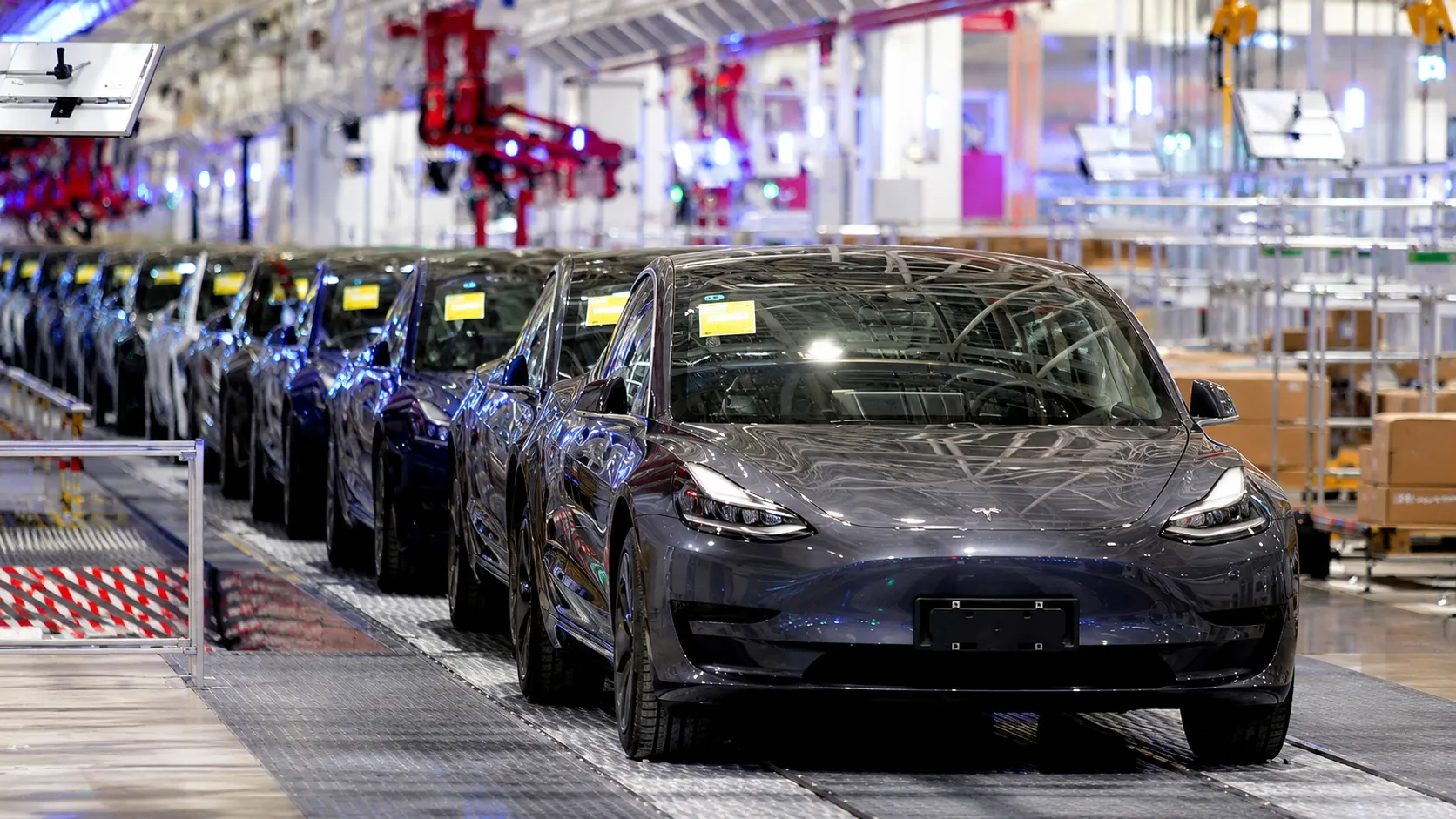
Tesla is voluntarily recalling close to 3 million vehicles in China to address two separate safety issues, in what regulators and industry trackers describe as the largest coordinated vehicle recall in the country's history. The action, announced in notices published by Tesla and China's State Administration for Market Regulation, covers electronically controlled door handles that can fail to open after a severe collision, as well as a driver-attention monitoring system that relies solely on steering-wheel torque sensors to judge whether a driver is paying attention.
The door-handle recall spans Tesla's full China lineup — Model S, Model X, Model 3 and Model Y, whether imported or built locally — covering vehicles manufactured between March 4, 2019 and April 29, 2026. According to a breakdown of the filing, the recall affects 973,156 domestically built Model 3s, 1,956,713 domestically built Model Ys, 35,590 imported Model 3s, 8,328 imported Model Xs and 2,123 imported Model Ss. Tesla's remedy is not a hardware change: the company will add warning labels identifying emergency door releases and push an over-the-air software update that changes how windows lower to aid escape, with the recall set to take effect September 25, 2026.
A second, separate action covers 2.74 million Tesla vehicles built in China, targeting the driver-monitoring system used in Model Y and Model 3 cars sold between March 4, 2019 and December 7, 2025. That system currently determines driver attentiveness solely through a torque sensor on the steering wheel — a method some Chinese drivers have reportedly learned to defeat by mounting a doll's head or similar weight near the wheel. The software update will instead draw on the vehicle's interior camera to track drivers' eye movements and overall alertness.
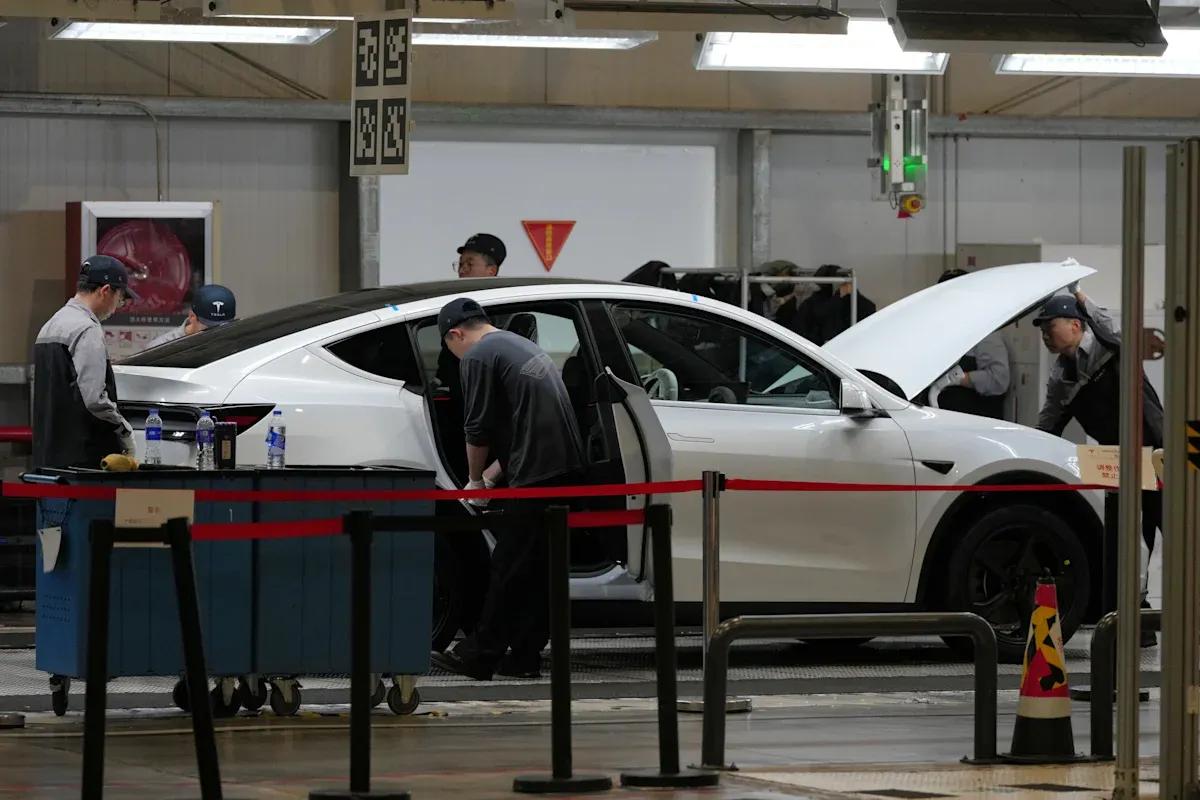
Tesla is not alone in this action. At least eight other automakers — including Xiaomi, Xpeng, Geely-owned Zeekr and Lynk & Co, Leapmotor, Chery, Dongfeng, BAIC BluePark and FAW — filed parallel recalls with China's regulator on the same day for the same door-handle issue, bringing the combined total to more than 4.3 million vehicles. Chinese authorities tightened rules governing electronically controlled doors after a series of incidents in which occupants and rescue workers could not open doors following crashes, some of which resulted in fatalities. Tesla's nearly 3-million-vehicle share of the action is by far the largest of the eleven companies involved.
The recall lands as Tesla works to defend its position in the world's largest electric-vehicle market against increasingly capable domestic rivals, including BYD, Xiaomi and Geely's various EV brands. While Tesla's fix relies on remote software updates rather than costly physical repairs — limiting the immediate financial impact — the scale and high public profile of the action add to a string of recent regulatory and reputational challenges for the company in China.
For Chinese regulators, the coordinated action against eleven automakers simultaneously signals a broader tightening of vehicle safety enforcement as electronically controlled features such as flush door handles — prized for their aerodynamic and aesthetic appeal — come under scrutiny for their real-world safety trade-offs. For Tesla, the episode underscores the widening gap between its earlier years of relatively unchallenged dominance in China and a present in which the company must now compete, and comply, alongside a fast-maturing field of domestic manufacturers operating under an increasingly assertive regulatory regime.


