Indian private equity firm True North has taken a minority stake in InMobi, the adtech group founded in Bengaluru in 2007, in a transaction that offers early investors a partial exit and gives the company a new institutional shareholder as it prepares for a public listing at home.
According to a report by Mint, cited by Inc42 and Exchange4media on Saturday, True North has invested roughly $50–60 million for a stake of about 2–3%. Most of the shares were bought in the secondary market from early investors, from employee stock option holders and from certain founder-owned entities. The transaction also carried a small primary component, meaning a modest amount of fresh capital went into the company itself. InMobi had not commented publicly on the deal at the time of reporting.
The investment is reported to be the first technology deal from True North's seventh fund. It is also smaller than the firm's usual cheque: True North has historically preferred larger minority positions, which makes a 2–3% holding in a single late-stage company an unusual choice and a signal of how the firm views InMobi's route to the public markets.
Why a pre-IPO secondary matters
Secondary transactions of this kind have become a regular feature of India's late-stage market as companies approach listings. They allow early backers, some of whom have held their positions for well over a decade, to crystallise part of their gains without waiting for the offer for sale in an IPO. For employees, the sale of vested options converts paper wealth into cash. For the company, a fresh institutional investor on the cap table can help anchor valuation expectations before bankers begin marketing the offering.
The exact valuation of the True North deal has not been disclosed, and the investment was spread across several selling entities. That makes it difficult to read a precise price signal from the transaction. What is clear is that a domestic private equity firm with long experience of Indian listed and unlisted businesses has chosen to buy in at this stage, rather than wait to participate in the IPO.
True North, founded in 1999, has for several years steered a growing share of its capital into technology and digital businesses. In 2022 it invested $93 million in digital engineering firm Accion Labs, and it has backed companies ranging from QuEST Global to Samtel Avionics. The InMobi position adds a consumer-internet and advertising-technology exposure to that mix.
A long road from mKhoj to a domestic listing
InMobi was founded as mKhoj by Naveen Tewari, Piyush Shah, Mohit Saxena and Abhay Singhal. It grew into one of the world's larger independent mobile advertising platforms, providing marketing and monetisation tools to brands, advertisers and app publishers. The group also operates Roposo, a social commerce platform, and Glance, an AI-based lockscreen platform for Android devices that has become one of the more closely watched parts of the business.
Over the years InMobi has raised more than $774 million from investors including SoftBank, Sherpalo Ventures and Kleiner Perkins. Its capital structure has changed markedly since 2025. The co-founders invested about $3.7 million in June 2025 and, a few months later, bought back a 25–30% stake from SoftBank, significantly increasing founder ownership ahead of a listing.

Redomicile and the IPO plan
InMobi is in the process of redomiciling from Singapore to India, a step that a number of Indian-founded, overseas-incorporated technology companies have taken in recent years to list on domestic exchanges. The move reflects both regulatory requirements and the depth that India's public markets have developed for new-age technology stocks.
Earlier reports indicated that InMobi had appointed JPMorgan Chase, Jefferies, Kotak Mahindra Capital and Axis Capital as merchant bankers for an issue expected to exceed $1 billion. The company was earlier reported to be seeking a valuation of about $8–10 billion, while later reports suggested a figure closer to $6 billion. Timelines and issue details remain subject to change, and a filing with the Securities and Exchange Board of India would be needed before any offer can proceed.
The gap between those valuation estimates captures the uncertainty that surrounds advertising-technology businesses in 2026. Advertising budgets are sensitive to the broader economy, and the market has become more demanding about profitability and cash generation. At the same time, InMobi's positioning around AI-powered advertising products and its reach through Glance give it a narrative that investors in India's consumer internet sector are familiar with.
A crowded and cautious IPO window
The True North deal lands during a busy but selective period for Indian listings. This week, digital lender Moneyview's ₹1,091.68 crore IPO was subscribed 6.01 times by the end of its second day, while Snapdeal parent AceVector's ₹420 crore issue drew bids for 23% of the shares on offer on day one. Used-car marketplace Spinny has confidentially filed its draft papers with SEBI, and furniture rental startup Furlenco is reported to be preparing for an IPO in FY28.
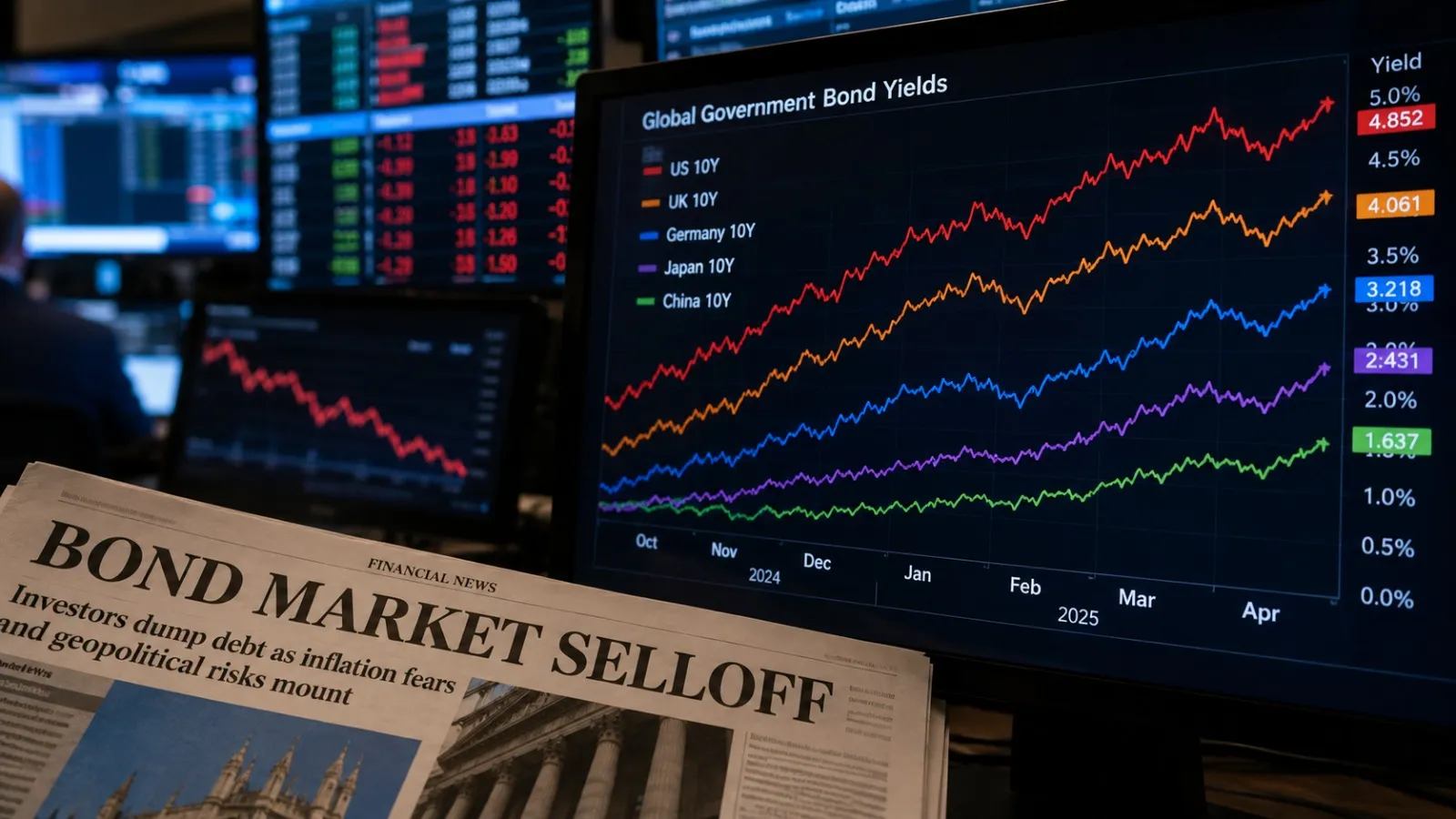
Market conditions are less forgiving than a year ago. The Sensex and Nifty closed lower for a seventh consecutive week on Friday, pressured by elevated crude prices, US Treasury yields near their highest levels since 2007 and persistent foreign portfolio outflows. Listed new-age technology stocks tracked by Inc42 lost a combined $3.6 billion in market value over the week, led by a sharp sell-off in insurance distributors after the insurance regulator proposed caps on commissions.
In that environment, institutional buy-in before an IPO carries more weight. Investors deciding whether to participate in a large technology listing often look at who has bought shares in the preceding months and at what price. A secondary purchase by an established domestic private equity firm does not guarantee a successful offering, but it does provide an additional reference point for price discovery.
What to watch
Several questions will shape how the market receives InMobi. The first is the valuation at which bankers ultimately price the issue, and how it compares with the earlier $6–10 billion range. The second is the mix of fresh issue and offer for sale: a larger primary component would indicate the company intends to fund growth, while a larger secondary tranche would point to further exits by early investors. The third is disclosure. A draft red herring prospectus would give investors their first detailed look at Glance's economics, the contribution of AI-driven advertising products and the group's overall profitability.
For True North, the bet is a relatively small but deliberate one. For InMobi's founders, who have steadily increased their ownership over the past year, the transaction adds a respected domestic investor to the register at a time when India's public markets are rewarding clarity and punishing uncertainty. For the wider ecosystem, it is another indication that the path from venture-backed private company to listed Indian stock increasingly runs through a structured pre-IPO phase, in which secondary sales, founder buybacks and redomiciling all play a part.
The Impactful Global Icon will continue to track InMobi's filing and the progress of India's technology IPO pipeline in the weeks ahead.