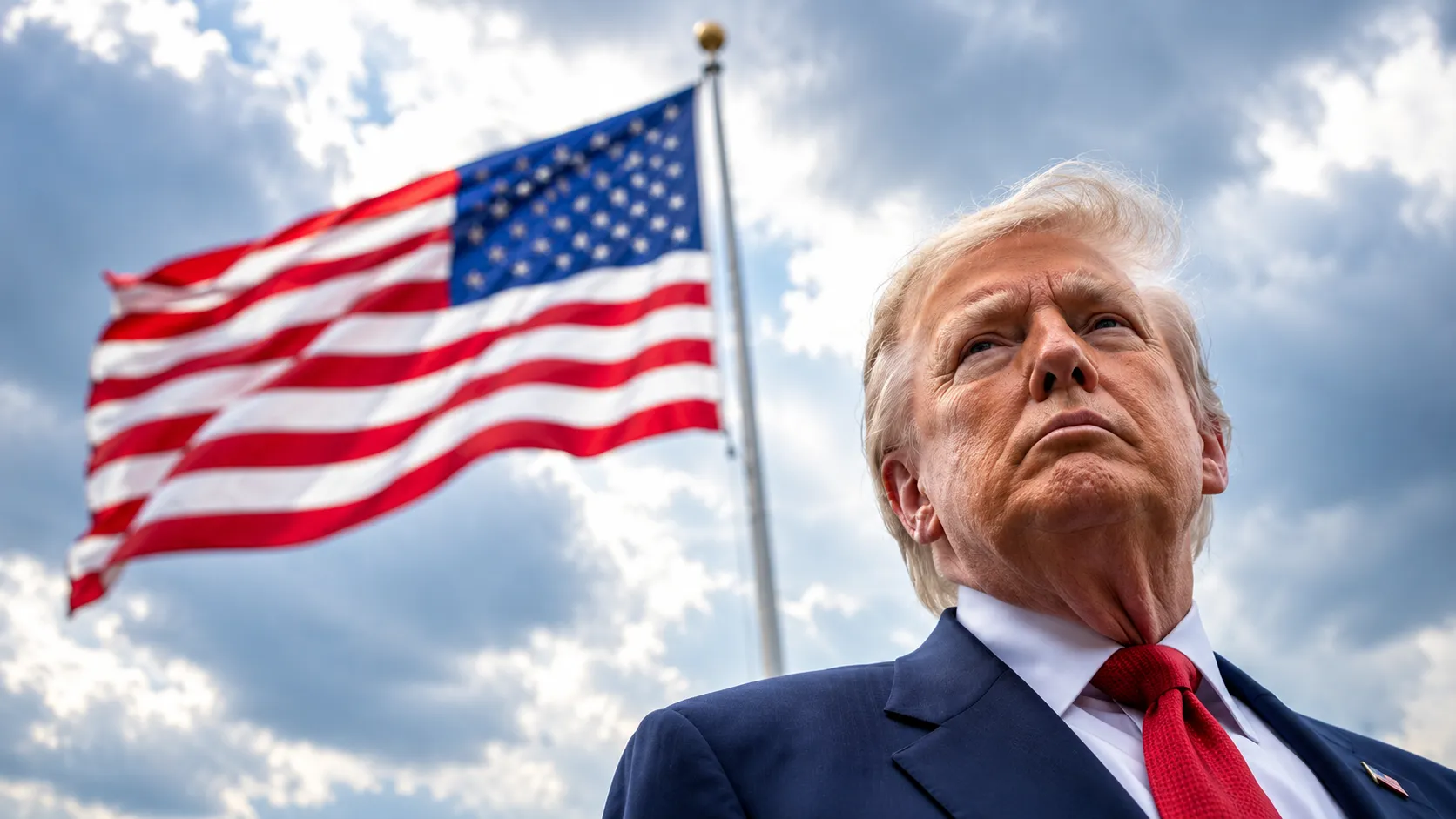
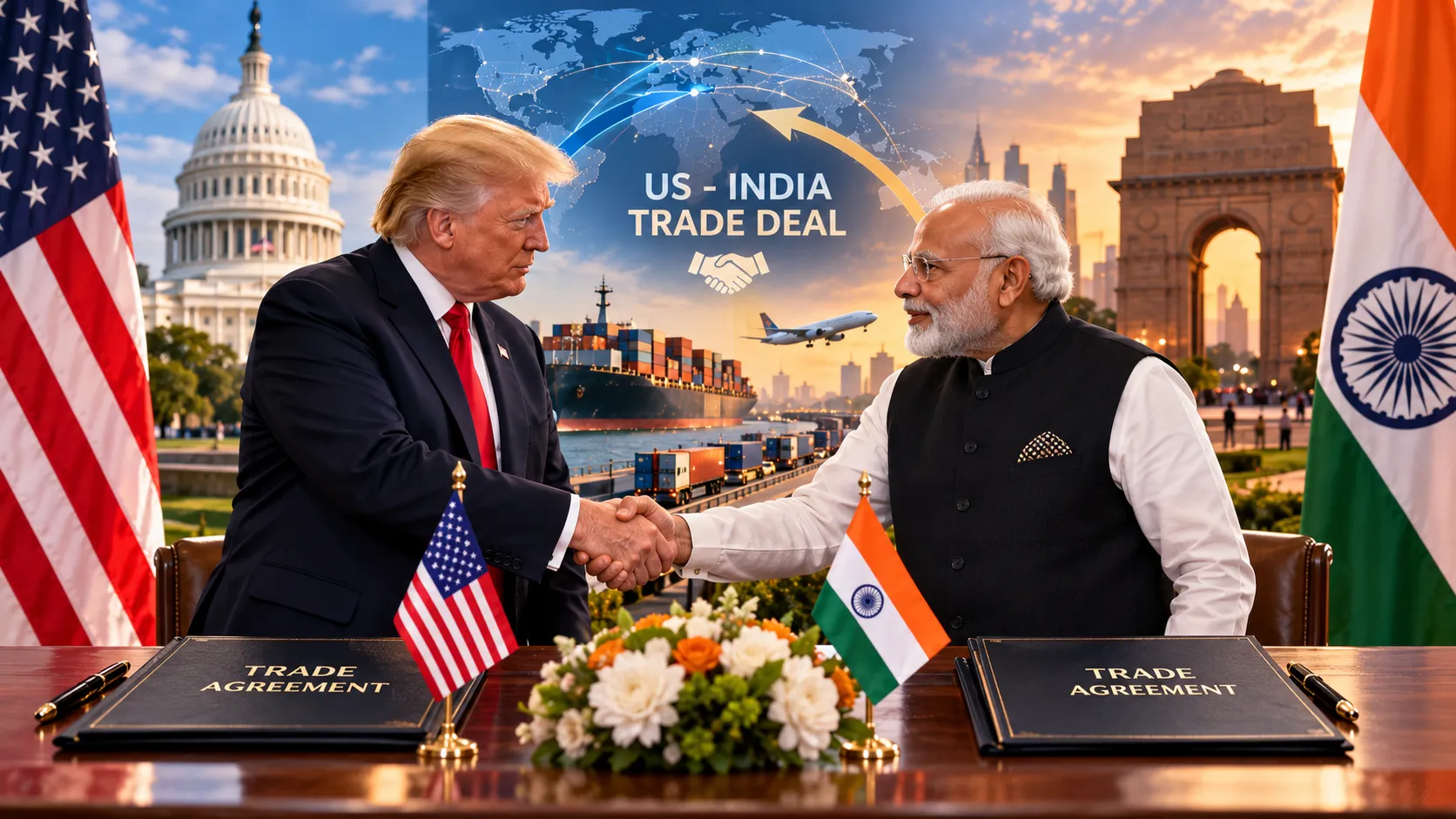
The United States and India appear closer than ever to concluding a trade agreement that has been more than a year in the making, with President Donald Trump and Secretary of State Marco Rubio both signalling this week that a deal is within reach.
"They want to make a deal. We're going to make a deal. Pretty close, yeah," Trump told reporters at the White House on Tuesday, October 20, according to Bloomberg. He added that the agreement "could be a much different kind of deal," without elaborating on what that meant.
Hours earlier, Rubio met External Affairs Minister S. Jaishankar in Mumbai and said the two countries were "very close to concluding the proposed free trade agreement," with only a few issues left to resolve, Business Standard reported. Trade officials are leading the negotiations, with the State Department closely involved.
Optimism on both sides
The comments add to a series of upbeat signals. Last week, US Ambassador to India Sergio Gor said at the Bloomberg New Economy Forum in New Delhi that "the big items are done" and that the two countries were very close to "landing it." Jaishankar has said he is encouraged by progress and that both sides are moving towards a landing point.
The optimism follows a turbulent period in the relationship. Washington had threatened tariffs of up to 100% on the largest buyers of Russian oil, a group that includes India, under legislation signed in September. Late last Friday, Trump waived those tariffs, removing a major obstacle to the trade talks. Rubio has described the waiver as the start of a 60-day review and said the trade deal was a factor in the decision.
Rubio called the alignment between the two countries on core issues "extraordinary," while acknowledging they will not agree on everything. "Our ties have indeed come a long way," Jaishankar said.
Oil: from Russia to Venezuela and the US
Energy was a central theme of the Mumbai talks. Rubio urged India to buy more fuel from the United States and Venezuela. He discussed higher Indian purchases of American oil and said Washington wants more Venezuelan crude processed at Reliance Industries' refinery complex in Jamnagar, Gujarat, which he was scheduled to tour.
Rubio described India's efforts to diversify its oil purchases as sensible and said the United States and Venezuela could supply a larger share of India's energy needs. India imports more than 85% of its crude oil and has become one of the largest buyers of Russian crude since 2022. Indian refiners have argued that their plants are configured mainly for medium sour crude from Russia and the Middle East, while US crude is lighter and Venezuelan crude heavier, requiring blending.
With supplies from the Middle East disrupted by conflict involving Iran and attacks on shipping in the Strait of Hormuz, diversifying sources has become a strategic priority for New Delhi. A deal that expands Indian purchases of American energy could help reduce the US trade deficit with India, a long-standing concern in Washington.
Technology, talent and terrorism
Jaishankar emphasised the role of Indian talent in the US economy. "Indian talent and Indian skills have helped shape the tech era in the United States," he said, a pointed reminder of the importance of the Indian diaspora and skilled migration to the relationship. Visa policies for skilled workers have been a source of friction, with Indian IT companies and professionals affected by stricter US rules.
Rubio also visited the Taj Mahal Palace hotel, where he laid a wreath at the memorial for victims of the November 2008 Mumbai terror attacks, in which 166 people were killed, including six Americans. He reaffirmed a shared commitment to combating terrorism, and Jaishankar called for a strong partnership against terrorism "in all its forms and manifestations."
Rubio was also scheduled to meet Adani Group chairman Gautam Adani and Tata Sons chairman N Chandrasekaran in Mumbai. It was his second visit to India in five months.
What a deal could include
Negotiations have covered a wide range of issues. The United States has sought greater access to Indian markets for agricultural products, dairy, medical devices and industrial goods, as well as commitments on digital trade. India has sought relief from US tariffs on steel, aluminium and other products, better access for its exports, and greater predictability in US trade policy.
Both sides have also discussed cooperation in critical minerals, semiconductors, clean energy and defence manufacturing, areas where they share an interest in reducing dependence on China. Trump's suggestion that the agreement could be "a much different kind of deal" has fuelled speculation that it may focus on targeted commitments and purchases rather than a traditional comprehensive free trade agreement.
Market reaction
Indian financial markets welcomed the signals. On Wednesday, October 21, the Sensex rose more than 800 points in early trade, with analysts citing Trump's comments on trade alongside positive global cues and strong corporate results. The rupee strengthened 29 paise to 94.62 against the dollar in early trade.
A trade deal would provide certainty for Indian exporters in sectors such as textiles, gems and jewellery, pharmaceuticals and engineering goods, which have operated under the shadow of tariff threats. It could also support foreign investment, as global companies diversify supply chains and look to India as a manufacturing base.
Why timing matters
Both governments face incentives to conclude an agreement soon. Exporters want certainty on tariffs, and investors have treated trade headlines as a key driver of the rupee and equity markets in recent weeks.
What to watch
The key questions now are when the deal will be signed and what it will contain. Details on tariff reductions, market access, energy purchases and digital trade will determine its economic impact. The outcome of the 60-day review of Russia-related tariffs will also be important for India's energy strategy.
For the Indian diaspora in the United States and for businesses on both sides, a deal would mark a turning point after a year of uncertainty. After months of friction over tariffs and oil, Washington and New Delhi appear determined to put their economic relationship on a firmer footing. Whether "pretty close" becomes a signed agreement in the coming weeks will be closely watched in both capitals.