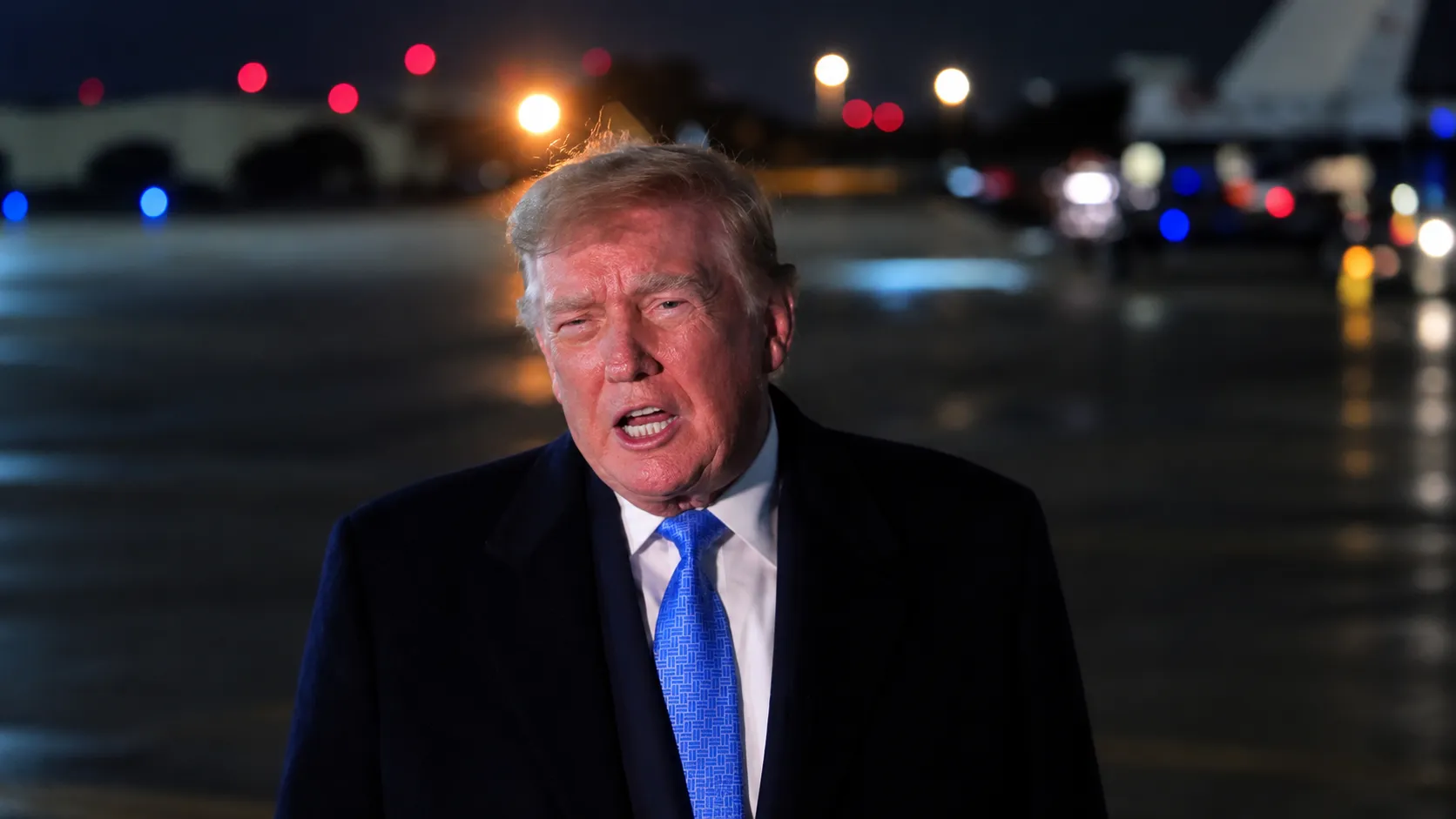
The diplomatic track between Washington and Tehran is still alive, but only just. A day after rejecting Iran's latest proposal to reopen the Strait of Hormuz, President Donald Trump said on Sunday that he expects further talks with Iran this week. "I expect more talks with Iran [this week]. They want to make a deal, but it is not the deal that I want to make. It is what we would have maybe agreed to a year ago. They overplayed their hand," Trump told Axios in a phone interview.
Behind the scenes, Qatari mediators have continued shuttle diplomacy between the two sides. A regional source with knowledge of the indirect negotiations told Axios that the Qataris had discussed the original Iranian proposal with both parties and had then provided a compromise proposal for each side to review. Two regional sources said another round of indirect dialogue could take place as early as Monday.
What Iran offered, and why Trump said no
Iran's proposal, announced during the United Nations General Assembly in New York, would reopen the Strait of Hormuz and restart nuclear talks within seven days if the United States lifted its naval blockade, removed sanctions on Iranian oil sales and reinstated a ceasefire across the region. "If certain conditions are met, the Strait of Hormuz will be open at the end of seven days, and talks will be restarted," Iranian Foreign Minister Abbas Araghchi told reporters on the sidelines of the General Assembly.
Trump rejected the plan on Saturday. "They have made a proposal and I rejected it," he said. US Ambassador to the United Nations Mike Waltz told CNN that the president did not believe Iran was negotiating in good faith. The underlying disagreement is about sequencing and scope. Iran wants any agreement to focus first on the strait and the blockade. The Trump administration wants nuclear concessions as part of any deal.
How the talks have unfolded
US envoys Steve Witkoff and Jared Kushner held indirect negotiations with Araghchi in New York last week, with Qatari officials passing messages between the delegations. On Thursday, the prime minister of Qatar met Iranian President Masoud Pezeshkian in New York and discussed a potential deal with the Trump administration; senior Qatari officials then briefed Witkoff. A US official described the discussions as "positive and constructive", including on nuclear issues, even as the president publicly dismissed Iran's offer.
Araghchi, for his part, insisted after the rejection that only a negotiated solution could resolve the conflict. "We only care about our national interests. We are ready for negotiations," he said.
The public positioning on both sides suggests that neither wants to be seen walking away. Pezeshkian told journalists last week that Tehran wanted a peace deal before the US midterm elections in November. The Wall Street Journal, citing US officials, reported on Friday that Trump has told staff that a renewed bombing campaign is likely after the midterms if talks fail. Asked by Axios whether he was considering resuming strikes, Trump replied: "I am always thinking about it."
The state of the strait
The Strait of Hormuz, through which about a fifth of the world's oil passed before the war began on 28 February with US and Israeli strikes on Iran, remains only partly open. Dozens of tankers are transiting daily under US military protection. US officials told Axios that around 60 million barrels of oil moved through the strait over a 72-hour period last week, and Trump said more than 20 million barrels had moved out over a single weekend night. That is well below pre-war volumes, but enough to take some pressure off global markets.
Risks remain acute. Iran's Fars News Agency reported that a cruise missile had been fired at a vessel in the strait, sharpening concerns ahead of Monday's market open. In Saudi Arabia, coalition forces said they had intercepted Houthi drones heading towards Riyadh and ballistic missiles aimed at the Khamis Mushait region. Saudi Foreign Minister Prince Faisal bin Farhan told the General Assembly that attempts to block Middle East waterways threatened global energy security, and called for the protection of navigation in the Strait of Hormuz, the Bab el-Mandeb, the Red Sea and the Gulf of Aden.
Why markets care
Oil prices have become the transmission belt between the conflict and the global economy. Brent crude fell more than 2 per cent on Friday, to about $104 a barrel, on hopes of diplomacy after Iran's seven-day offer. It rose again by more than 1 per cent in early Asian trade on Monday, to around $105 to $106, after Trump's rejection. Every shift in the diplomatic signal is being priced within hours.
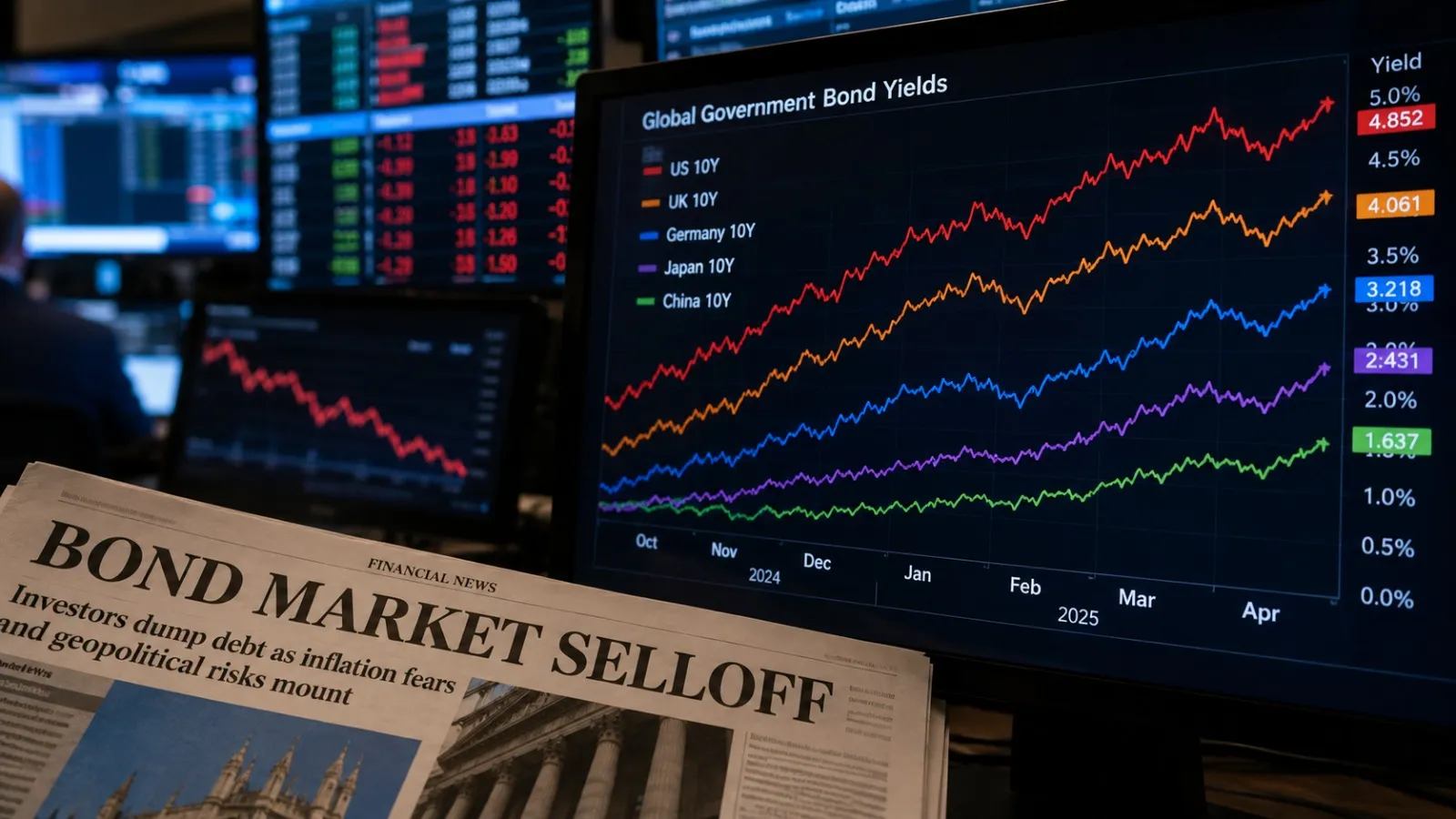
The stakes extend well beyond energy traders. High oil prices have pushed up inflation expectations in the United States and contributed to a round of interest-rate increases by the Federal Reserve, the European Central Bank and the Bank of Japan in September. Oil-importing emerging economies such as India have seen their currencies and stock markets come under pressure. India's Nifty 50 has fallen for seven straight weeks, and foreign investors have pulled more than ₹2.41 lakh crore from Indian equities this year.
India's exposure
For India, which imports the large majority of its crude oil, the outcome of these talks matters directly. A deal that reopened the strait on a durable basis would likely lower crude prices, ease pressure on the rupee and improve the outlook for inflation and interest rates. It would also reduce shipping and insurance costs for Indian exporters using Gulf routes. The Indian diaspora in the Gulf, numbering several million people and a major source of remittances, has a particular stake in regional stability.
A breakdown in talks, or a resumption of US strikes after November, would carry the opposite risks. Indian refiners have diversified sourcing since the war began, and the government has managed fuel prices carefully, but a prolonged disruption would test those buffers.
What to watch this week
Three signals will indicate whether the diplomatic track is gaining traction. The first is whether indirect talks resume on Monday or shortly afterwards, and whether Qatar's compromise text becomes the basis for discussion. The second is whether Washington shows any flexibility on sequencing, for example by linking a partial easing of the blockade to verifiable steps on the strait while nuclear talks proceed. The third is the security situation in the waterway itself: further missile or drone attacks on shipping would harden positions and push oil higher.
For businesses and investors, the practical response is to plan for continued volatility. Energy-intensive companies are hedging fuel costs further out, shipping firms are pricing risk into freight, and central banks are watching oil as closely as they watch wage data. Trump's statement that he expects talks this week keeps the door open. His description of Iran's offer as the deal "we would have maybe agreed to a year ago" suggests that the price of a settlement, in Washington's view, has gone up. Whether Tehran is prepared to pay it before the midterms is the question on which oil markets, and much of the global economy, now turn.