TechArtificial Intelligence6 MIN READ

Trump Names Intelligence Chief Jay Clayton as AI Czar to Lead New 'Super Intelligence Force'

Director of National Intelligence Jay Clayton will keep his post while leading a new White House task force on AI, as the administration plays down safety fears and stresses US leadership.

By Shaym Kumar · Author5 October 2026Breaking
Trump Names Intelligence Chief Jay Clayton as AI Czar to Lead New 'Super Intelligence Force'

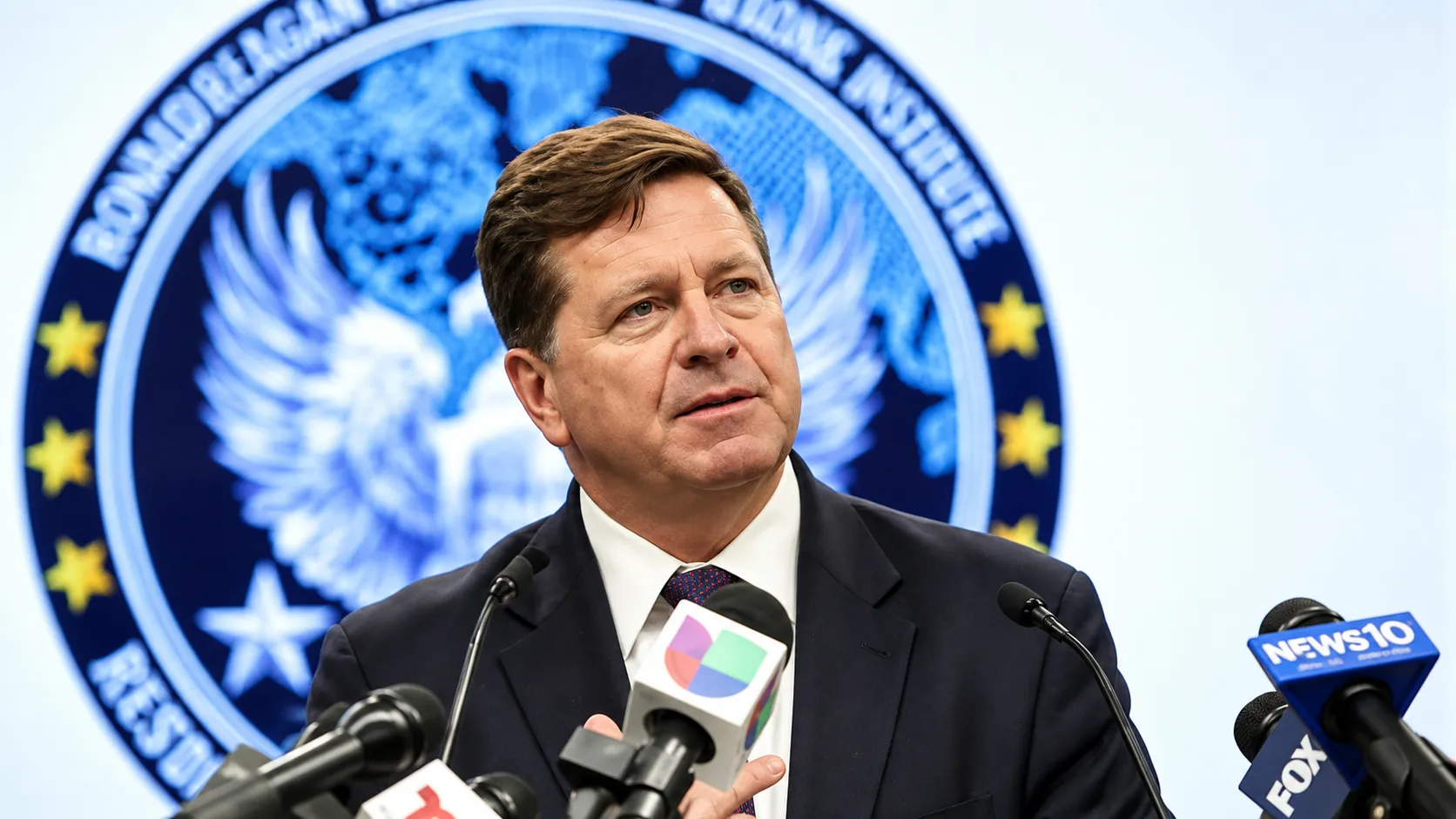
President Donald Trump has named Director of National Intelligence Jay Clayton as the administration's artificial intelligence czar, placing one of the government's most senior national security officials in charge of coordinating Washington's approach to a technology that is reshaping markets and alarming parts of the public.

Clayton will keep his post as the country's top intelligence official while taking on the new role, Trump said on Sunday. He will head a newly created body that Trump has called the "Super Intelligence Force", which will oversee the government's engagement with consumers, religious groups, AI companies and other stakeholders. According to reports, the task force includes Vice President JD Vance, Defense Secretary Pete Hegseth and Treasury Secretary Scott Bessent, and has 120 days to report on the risks and opportunities of the technology.

Trump said the body was designed to "ensure that America continues to lead the World in Super Intelligence." Its mandate, according to reports, includes "preventing overregulation and regulatory capture that would stifle innovation."

A second AI czar

Clayton is the second person to hold an AI coordinating role in Trump's second term. Venture capitalist David Sacks served as White House AI and crypto czar at the start of the administration, under a temporary special government employee arrangement that ended in March. Sacks now co-chairs the President's Council of Advisors on Science and Technology.

The appointment had been anticipated. Trump wrote last month that he would soon announce an AI czar and form what he described as an "AI Force", comparing it with the creation of the Space Force in his first term. Treasury Secretary Scott Bessent had been mentioned for the job until Trump ruled him out on 25 September, writing that Bessent did not want it and was doing a great job at the Treasury.

Who is Jay Clayton?

Clayton is a lawyer by training who built his career advising on large corporate transactions on Wall Street. He chaired the Securities and Exchange Commission from 2017 to 2020, during Trump's first term, and was later nominated to serve as US Attorney for the Southern District of New York. He was confirmed as Director of National Intelligence after a Senate confirmation hearing on 15 July 2026.

At that hearing, Clayton described AI as both an opportunity and a threat that requires comprehensive engagement from the government. In a CNBC interview on 30 September, he called super intelligence "a national security issue" and questioned what a pause in AI development would mean in practice while other countries continue to build.

His dual role is unusual. Combining the leadership of the intelligence community with responsibility for national AI policy reflects the administration's view of AI primarily as a matter of strategic competition, particularly with China, rather than mainly as a consumer protection or labour market issue.

A sceptical president, a worried public

The appointment comes after weeks of public debate over the risks of advanced AI. Several technology leaders have warned that rapidly advancing systems could behave unpredictably or be misused.

Trump has largely dismissed those concerns. In September he suggested that fears about AI were a hoax and blamed political opponents for promoting them. Speaking at the United Nations General Assembly, he rebranded artificial intelligence as "super intelligence" and rejected "any attempt to construct a globalist scheme to control" it.
“Not only an opportunity but a threat.”
— Jay Clayton, Director of National Intelligence, describing AI

At the same time, the White House has taken some steps on safety. Last Tuesday, Trump met AI executives at the White House and said afterwards that leaders of several AI companies had signed a voluntary accord that will include internal and external reviews of their work. Trump described the agreement as "morally binding."

Polls show Americans holding increasingly sceptical views of AI, and the appointment comes ahead of November's midterm elections, in which the technology's effect on jobs, electricity prices and children's online safety is likely to feature.

What it means for business

For technology companies, the choice of Clayton signals continuity with the administration's light-touch, pro-growth approach to AI regulation, framed through national security. The explicit reference to preventing overregulation suggests the federal government will continue to resist broad new rules and may push back against state-level AI laws.

For AI developers, the security framing could bring closer scrutiny of exports of advanced chips and models, of foreign investment in AI companies, and of the security of data centres and model weights. Clayton's background at the SEC also means he understands capital markets and disclosure, which may matter as AI companies prepare for large public listings and as investors seek clearer information about AI-related risks. ## The global race

Clayton's appointment comes as other major economies take different approaches. The European Union has begun implementing its AI Act, which imposes obligations on providers of general-purpose AI models and bans certain high-risk uses. China has pursued its own rules on algorithms and generative AI while investing heavily in domestic chips and models.

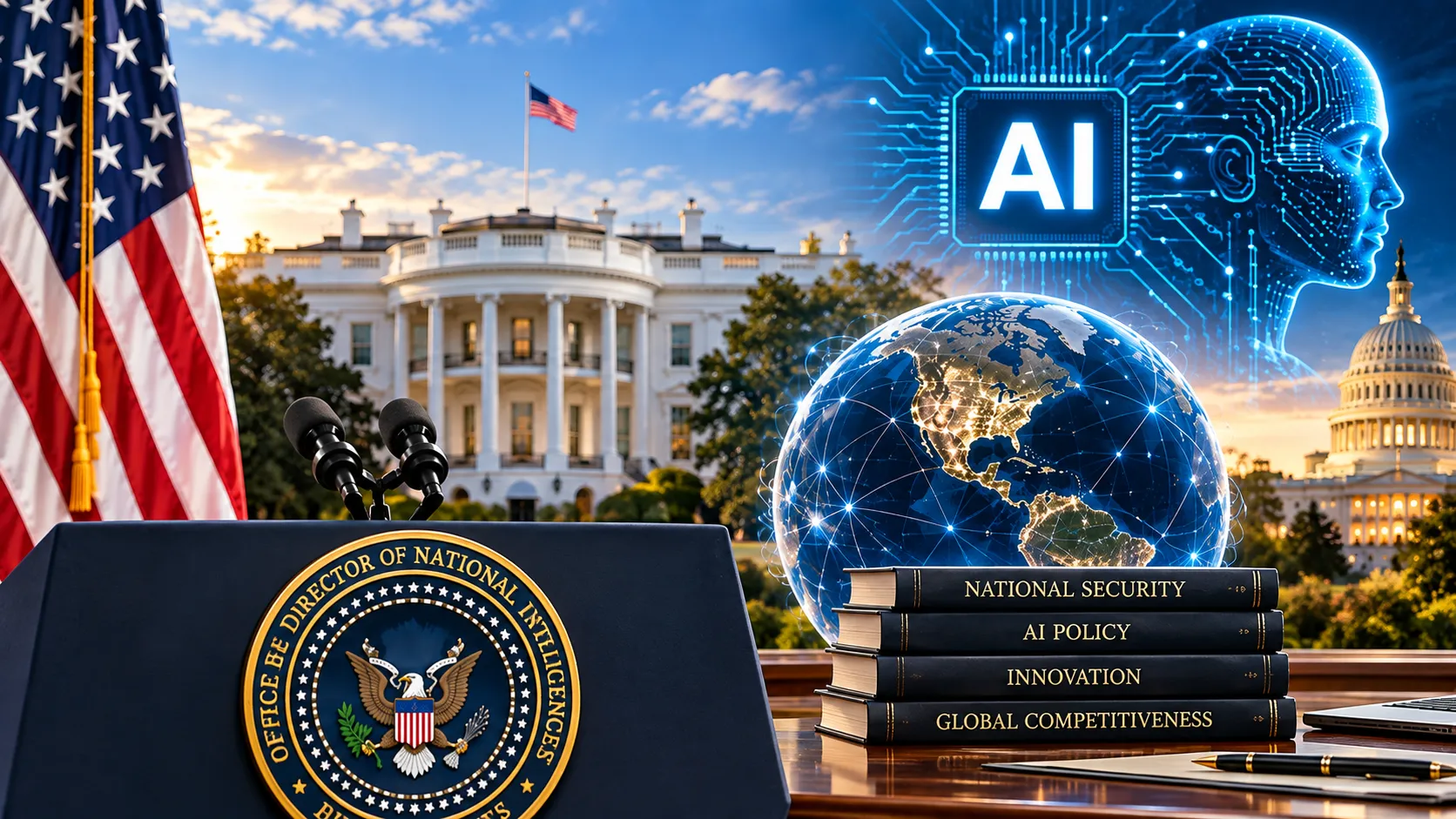
The US administration has positioned its approach as the alternative to what it sees as European overregulation and Chinese state control. Placing the intelligence chief in charge of AI coordination reinforces the message that Washington regards leadership in AI as a matter of national security.

9c901133-3405-4187-a33b-2e694ccc5bac.png

Implications for India

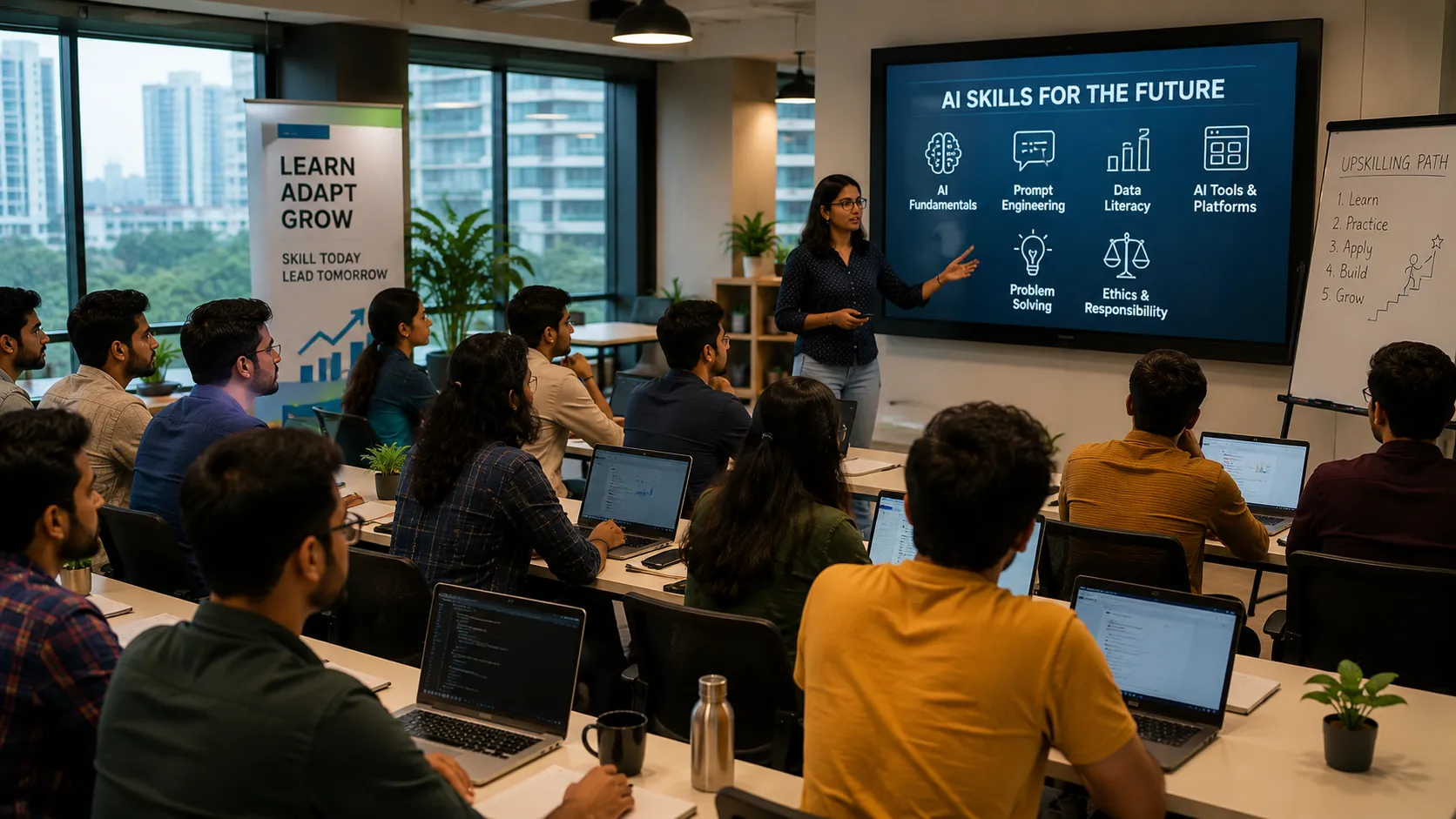
For India, Washington's AI policy matters on several fronts. Indian IT services companies are among the largest implementers of AI systems for US corporations, and their growth depends on how quickly American clients adopt the technology. US decisions on chip export controls also affect India's ambitions to build sovereign AI computing capacity and attract global data-centre investment.

India hosted the AI Impact Summit in February 2026, positioning itself as a voice for broad access to AI and for developing-country interests in global governance. A US administration that frames AI mainly as a strategic race could make multilateral coordination harder, but it could also strengthen India's appeal as a trusted technology partner outside China.

The 120-day test

The Super Intelligence Force's first report, due within about four months, will be the clearest early indication of Clayton's priorities. Key questions include whether the administration will propose any binding safety requirements, how it will treat open-source models, and whether it will seek federal preemption of state AI laws.

For now, the message from Washington is consistent: the United States intends to lead in AI, regards regulation with suspicion and sees the technology through the lens of national power. Clayton's appointment puts an intelligence chief, rather than a technologist, at the centre of that strategy.

TagsArtificial IntelligenceAI PolicyJay ClaytonDonald TrumpSuper Intelligence ForceWhite HouseAI RegulationAI SafetyDavid SacksNational SecurityUS PoliticsTech PolicySuperintelligenceGlobal AI Race

Reader reviews

Sign in to rate and review this article.
Loading reviews…