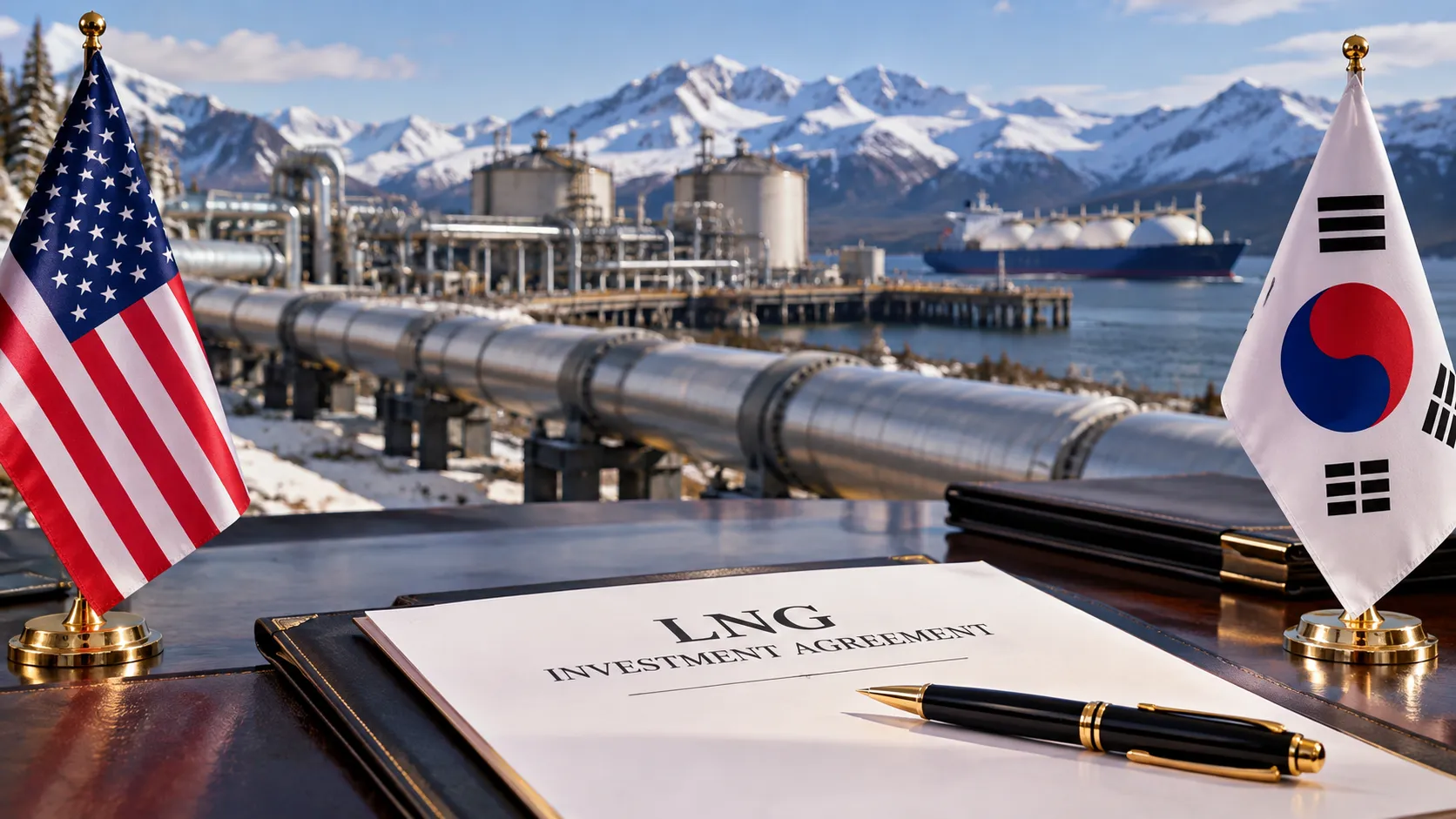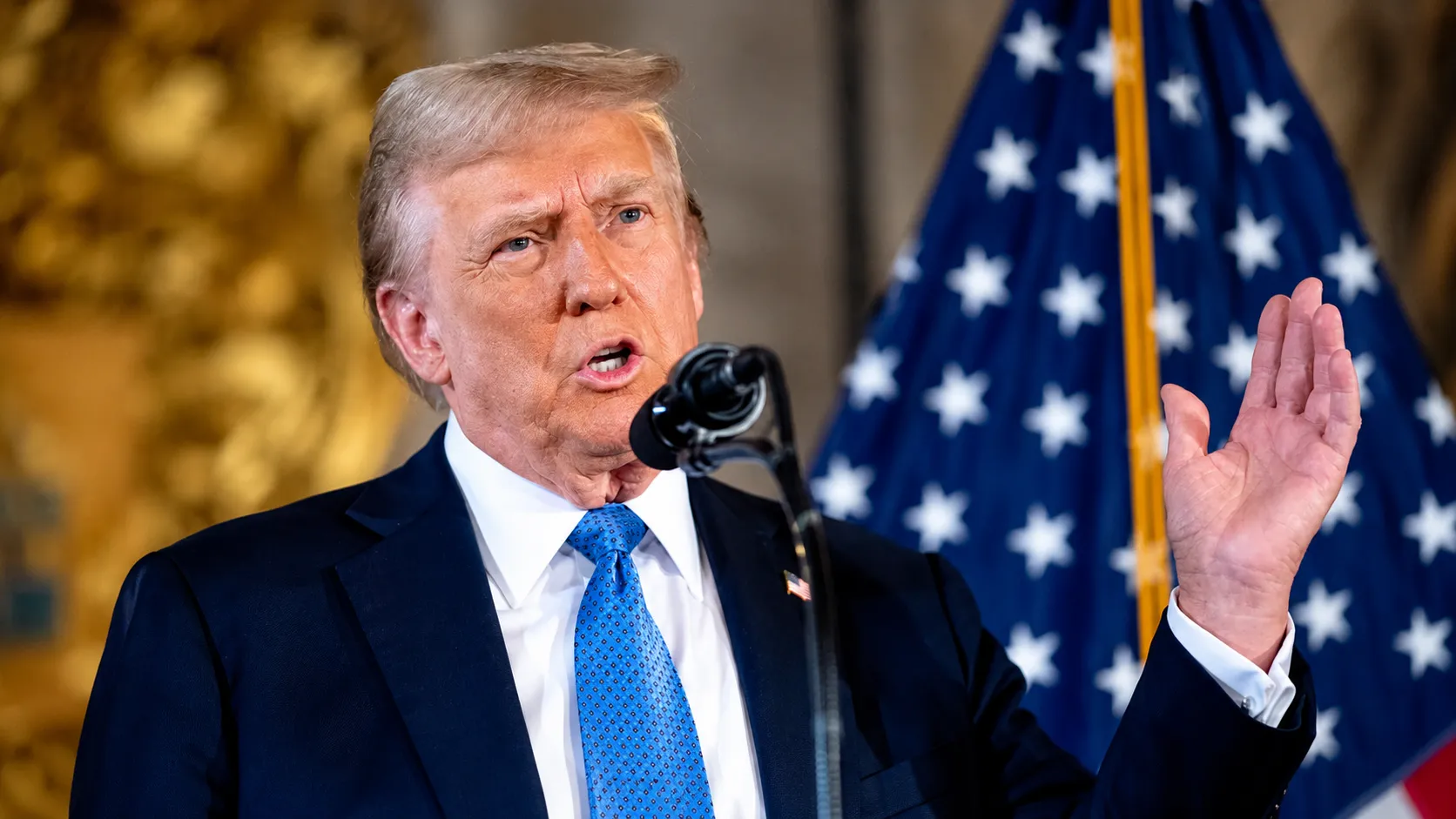
President Donald Trump has warned that South Korea will face higher charges if it does not commit to the Alaska LNG project, escalating pressure on Seoul days after he announced a Korean investment in the venture that South Korean officials say went beyond anything they had agreed.
Asked by reporters on 2 October about South Korea's hesitation, Trump said that if Korea did not back the pipeline, he would charge it more. "I'll just charge them more," he said, according to CNBC, adding that he had not jumped the gun in announcing the investment.
The remarks underline how the Trump administration is using trade leverage to secure foreign financing for large US energy projects, and how such announcements can run ahead of the commitments made by partner governments.
A disputed announcement
On 30 September, Trump announced that South Korea would invest "more than $50 billion" in Alaska LNG. "The colossal package of investments we are announcing today is a major step toward securing our critical energy supply chain," he said. Industry reports put the figure at about $54 billion, as part of a broader $200 billion package of South Korean investment in US energy projects. Separately, a $22.3 billion Korean investment in a 6.47-gigawatt gas-fired power plant in Encinal, Texas, was described as finalised.
South Korean officials quickly pushed back on the Alaska element. Trade, Industry and Resources Minister Kim Jung-kwan said Trump's claims "went beyond what had been agreed." He said the joint fact sheet stated only that the two countries "agreed to commence working on the Alaska LNG project, subject to meeting commercial reasonableness."
"It doesn't include the amount mentioned earlier or any statement that we are directly committing to the project, just that we are beginning the review process," Kim said. A senior official from South Korea's ruling Democratic Party also said the investment had not been finalised.
What Alaska LNG is
Alaska LNG is one of the most ambitious energy infrastructure projects in North America. It envisages a pipeline of roughly 807 miles carrying natural gas from Alaska's North Slope to a liquefaction and export terminal at Nikiski, on the Kenai Peninsula, with capacity of up to 20 million tonnes of LNG a year aimed mainly at Asian buyers.
The project has been discussed for decades but has repeatedly stalled because of its cost and the difficulty of securing buyers. Glenfarne, the US energy developer that acquired a 75% stake in 2025, has put the total cost at about $55 billion. The state-owned Alaska Gasline Development Corporation retains 25%.
The project received federal approval from the Federal Energy Regulatory Commission in 2020, and federal permitting was completed in 2025. Glenfarne has targeted a final investment decision on the pipeline in 2026 and full start-up around 2031.
The critical gap is commercial. Glenfarne has preliminary offtake agreements for about 13 million tonnes a year, short of the roughly 16 million tonnes it needs to proceed. Commitments from large Asian importers such as South Korea and Japan are therefore central to the project's viability.
Glenfarne said after Trump's announcement that "details of any South Korean investment remain under negotiation and further steps are required before reaching FID."
Trade leverage at work