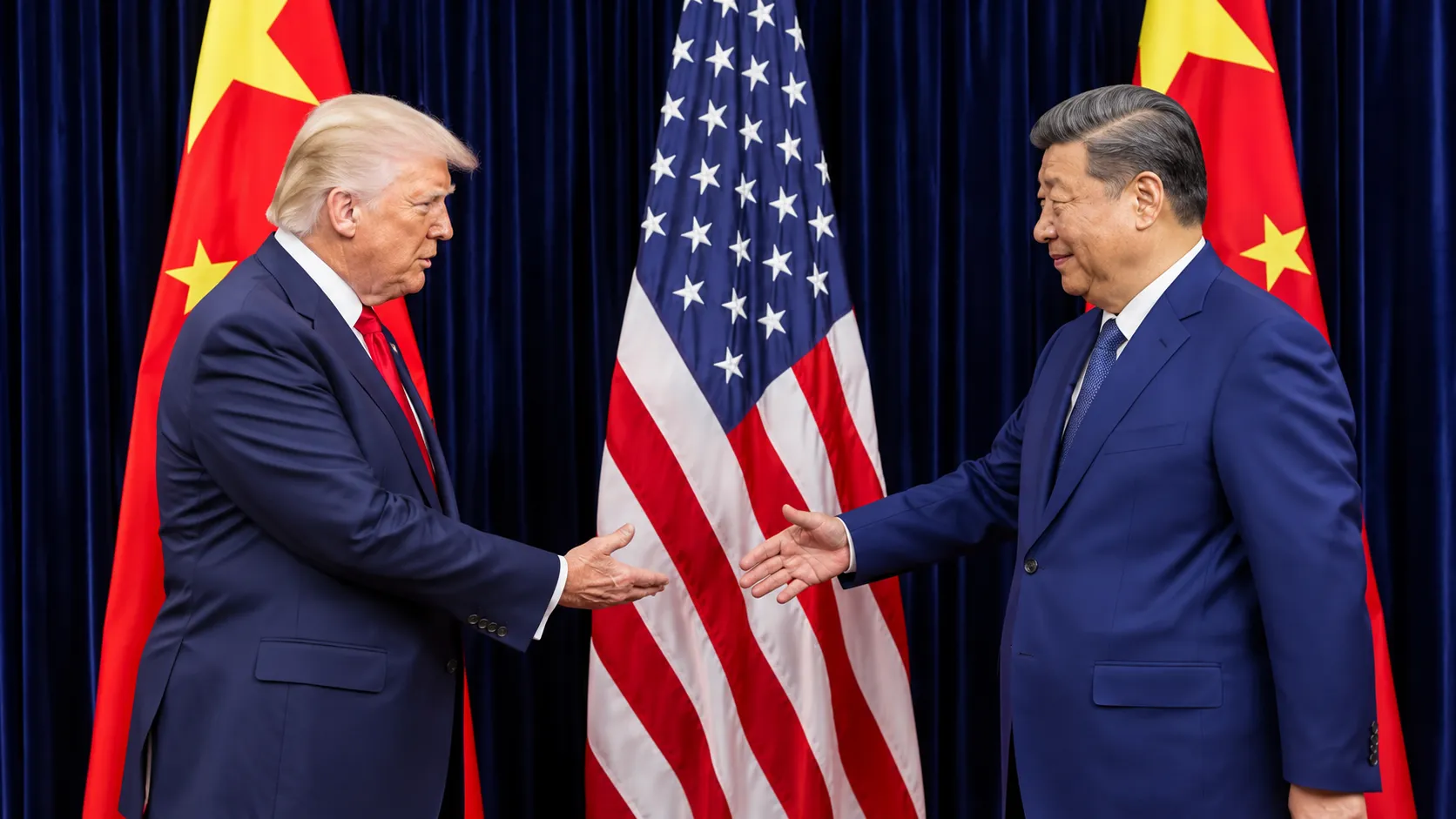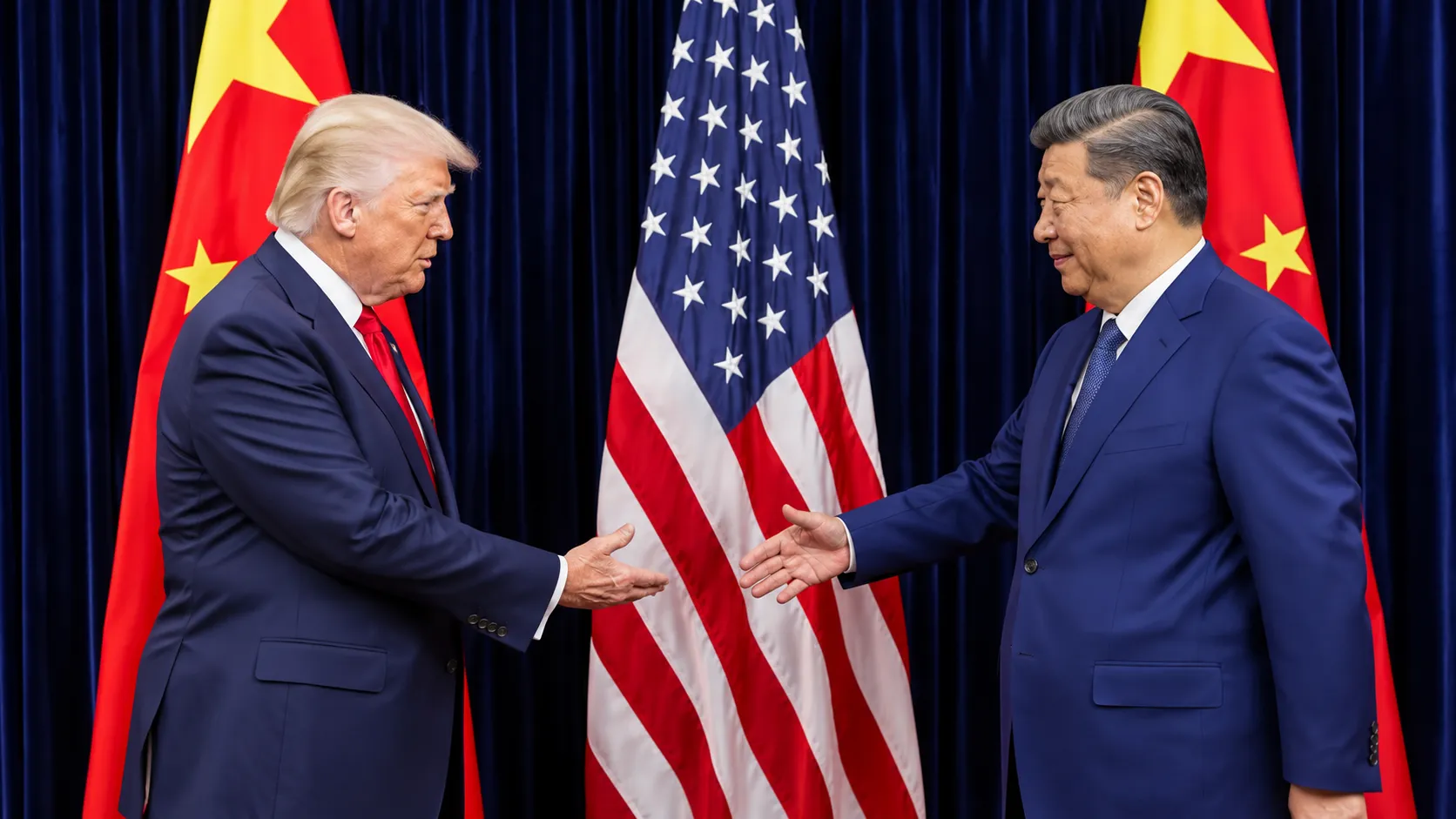
For the first time in years, the leaders of the world's three most powerful nuclear states sat at the same table, and they came away with a joint declaration.
US President Donald Trump, Chinese President Xi Jinping and Russian President Vladimir Putin met in Shenzhen, China, on Thursday, November 19, on the sidelines of the Asia-Pacific Economic Cooperation (APEC) gatherings. The three leaders issued a joint declaration on peace, agreed to launch a dialogue on reducing nuclear risks and committed to ensuring stable global energy flows, according to reports from the summit.
The declaration also criticised the International Criminal Court, which has issued an arrest warrant for Putin over the war in Ukraine.
Xi in the chair
Xi chaired the meeting, which lasted more than an hour, according to reports. Hosting the summit allowed China to present itself as a central player in global diplomacy, able to bring together the leaders of the US and Russia.
Trump described the meeting as historic. "We're making history," he said, according to reports.
Putin described the discussions as "very frank."
Hormuz and Iran
Xi said the Strait of Hormuz must remain open and that Iran must not obtain nuclear weapons, according to reports. The strait, through which a large share of the world's oil and liquefied natural gas passes, has been at the centre of tensions this year amid conflict involving Iran, causing disruptions and price spikes in energy markets.
The commitment to stable energy flows is significant for energy-importing countries, including China and India, which depend heavily on oil and gas from the Gulf.
Nuclear risk reduction
The agreement to begin a dialogue on reducing nuclear risks comes at a time when arms control has weakened. The New START treaty between the US and Russia, the last major agreement limiting their nuclear arsenals, expired in February 2026, and China has been expanding its nuclear arsenal.
A three-way dialogue could, in principle, lay the groundwork for future arms control agreements, although details of the dialogue's format and scope were not immediately clear.
Ukraine on the sidelines
The war in Ukraine was not a central focus of the summit, according to reports. Trump has sought to negotiate an end to the conflict, but progress has been limited. The absence of a major breakthrough on Ukraine suggests significant differences remain.
What markets will watch
For investors, the summit's commitments on energy flows and reducing tensions could help ease concerns about supply disruptions and geopolitical risk. However, the practical impact will depend on whether the declarations are followed by concrete actions.
Markets have been volatile in recent weeks, with oil prices sensitive to developments in the Middle East and stocks under pressure from expectations of higher US interest rates. On Thursday, Wall Street fell sharply, driven mainly by concerns about Federal Reserve policy and AI stocks rather than the summit.
US–China relations
The summit is the latest in a series of high-level contacts between the US and China, which have sought to stabilise relations after years of tension over trade, technology and security. The two countries have negotiated on tariffs, export controls on advanced semiconductors and rare earth supplies.
Any improvement in US–China relations could benefit global trade and supply chains, though deep strategic competition remains, particularly in technology.