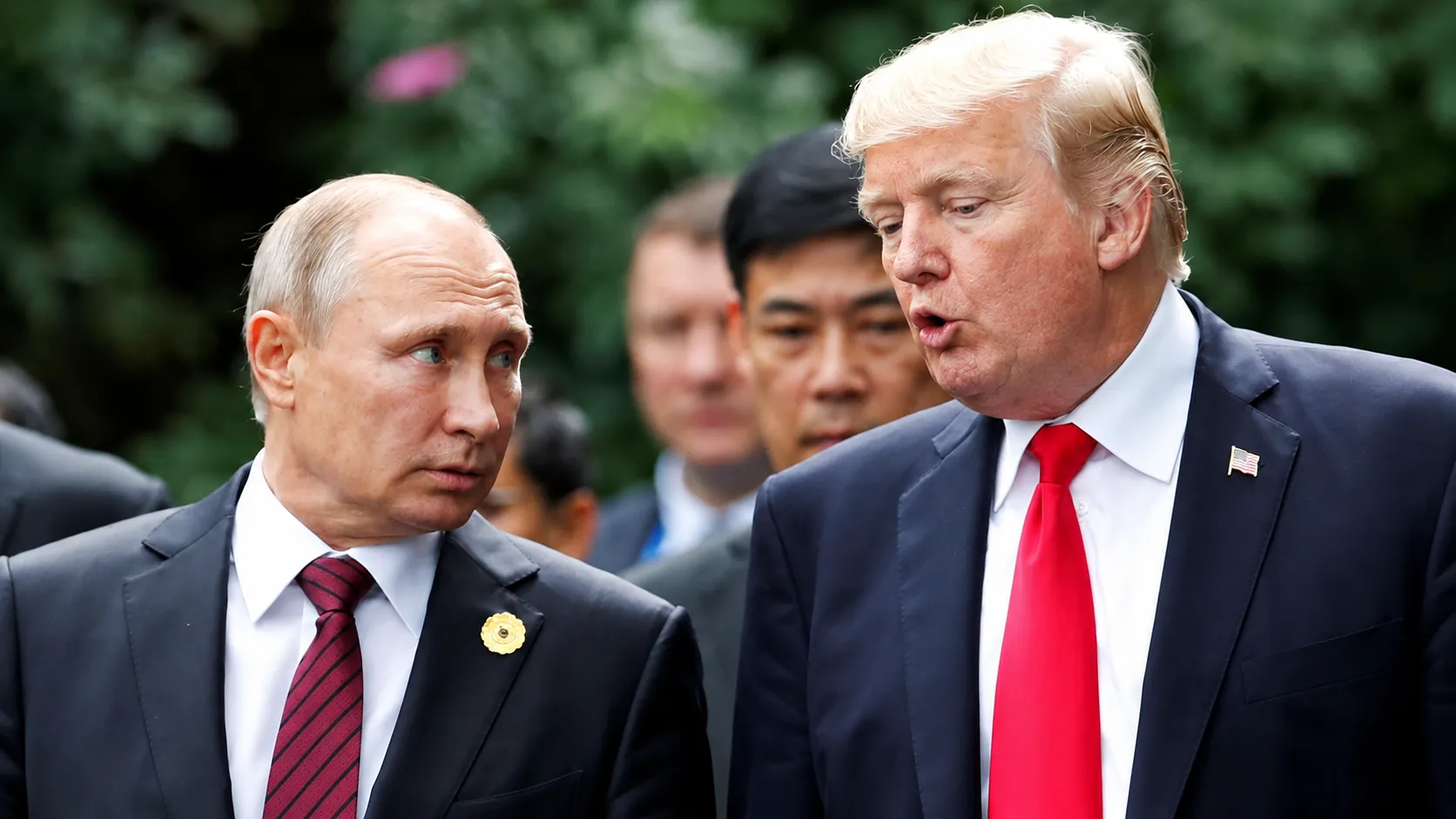
Turkey will receive a share of the diesel that Russia is supplying to global markets under a controversial agreement with US President Donald Trump, the country's energy minister said on Sunday, October 18, as Ankara moves on several fronts to shore up its energy security amid turmoil in global fuel markets.
"Through the talks we held, we will take some of that diesel to Turkey," Energy Minister Alparslan Bayraktar said, according to Reuters. He did not specify volumes or terms, but described the arrangement as important for Turkey's energy security.
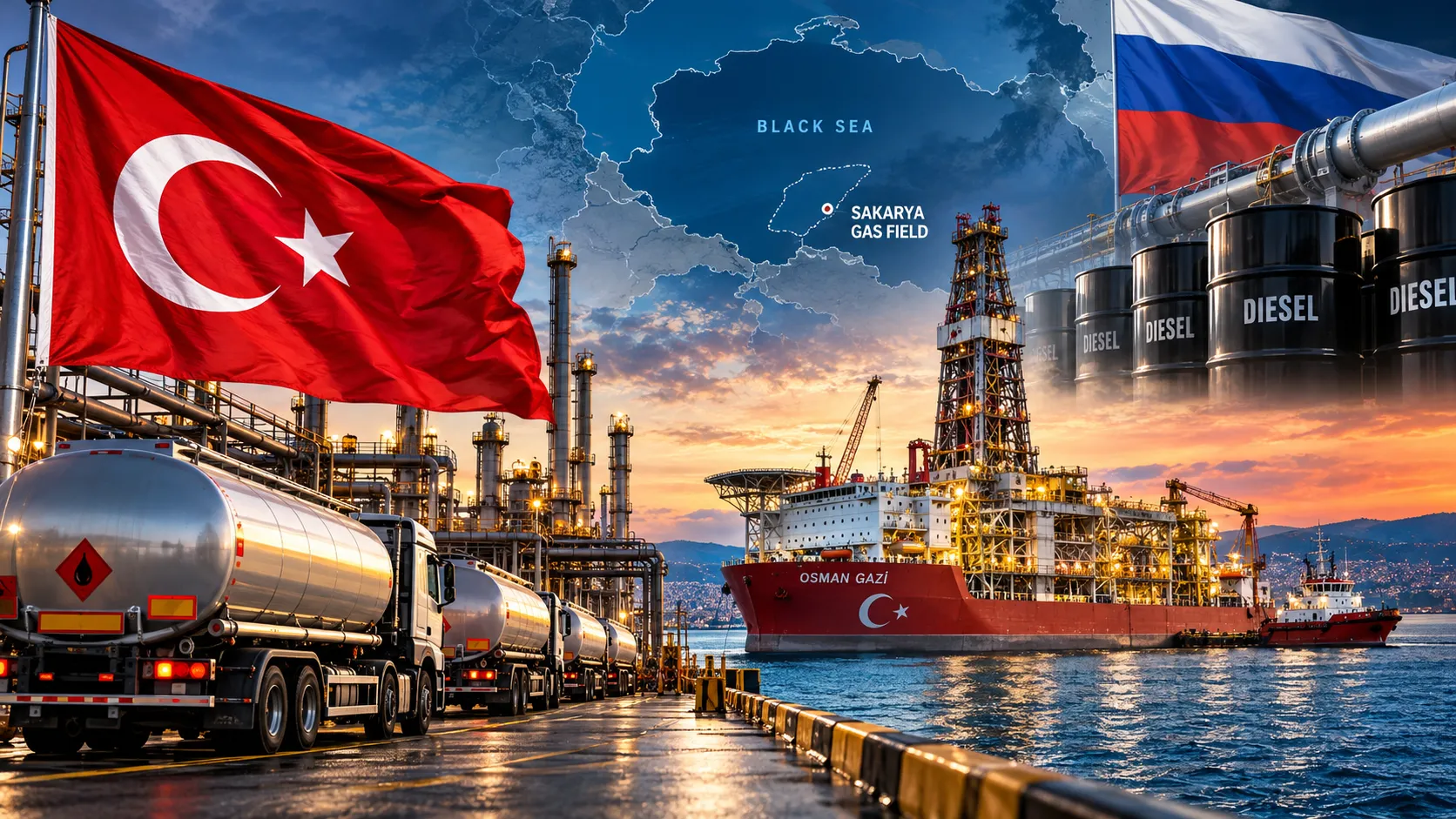
The comments came a day after Turkey sent its first floating gas production platform, the Osman Gazi, to the Black Sea, where it is expected to roughly double output from the country's Sakarya gas field. Together, the developments highlight how energy-importing countries are scrambling to secure supplies as conflict in the Middle East, attacks on energy infrastructure and shifting sanctions reshape global markets.
The US-Russia diesel deal
Under the agreement with Washington, Russia is supplying diesel to global markets. Details such as volumes, destinations and pricing have not been disclosed. The deal was followed on Friday by Trump's executive order suspending numerous sanctions on Russia and waiving tariffs on countries that import Russian oil, a move that pushed oil prices lower on Monday.
Bayraktar noted that Russia had restricted diesel exports in recent months. "Russia imposed restrictions on diesel exports in recent months when they started experiencing this problem," he said, referring to disruptions in Russian refining caused in part by Ukrainian drone attacks on refineries and fuel infrastructure.
The deal has been sharply criticised. Ukrainian President Volodymyr Zelenskiy, European officials and some Republican politicians in the United States have condemned it, arguing that it rewards Moscow and weakens pressure on Russia to end the war in Ukraine. Supporters argue it helps ease a global diesel shortage that has driven up fuel prices for consumers and businesses.
Why diesel matters
Diesel is the workhorse fuel of the global economy, powering trucks, ships, farm machinery, construction equipment and generators. Global diesel markets have been especially tight this year because refining capacity has been disrupted by attacks on facilities in Russia and the Middle East, and because shipping through the Strait of Hormuz and the Red Sea has faced repeated threats.
Market commentators have identified diesel as the product to watch in the current energy crisis. Additional Russian diesel supplies could provide some relief, although analysts describe the effect as a cushion rather than a fundamental change in supply.
Turkey relies on imports for most of its energy needs. It sources energy from Russia, Iran and Azerbaijan, among others, and has been diversifying through deals with the United States and other suppliers, including liquefied natural gas.
The Osman Gazi and Sakarya
Turkey's most significant step towards energy independence is the development of the Sakarya gas field in the Black Sea, discovered in 2020 and one of the largest gas finds in the region in recent years.
On Saturday, October 17, Turkey dispatched the Osman Gazi, its first floating gas production platform, to the field. Bayraktar said he expects the platform to roughly double daily output from Sakarya, from 9.5 million cubic metres to 20 million cubic metres, equivalent to about 7.3 billion cubic metres a year.


