Gurugram-based Carrum Mobility has raised $10 million, roughly Rs 96 crore, from Uber Technologies, marking the ride-hailing company's second investment in the fleet-management startup within a single calendar year. Uber had previously put in $7 million in January, and the fresh capital, disclosed on September 9, values Carrum at approximately Rs 1,600 crore on a pre-money basis, according to people familiar with the transaction.
Carrum Mobility operates in the increasingly consolidated Indian mobility-technology space, providing fleet operators and drivers with vehicle financing, telematics and operational tooling designed to make electric and conventional fleets easier to run at scale. Uber's repeated backing reflects a broader strategic pattern among global ride-hailing platforms: rather than owning fleets directly, companies like Uber prefer to invest in and partner with specialist fleet operators who can absorb the capital intensity of vehicle acquisition and maintenance while the platform focuses on demand aggregation and routing.
India's ride-hailing and fleet-electrification market has become a proving ground for this model, given the scale of demand in metro areas and the government's continued push toward electric mobility adoption through incentive schemes and emissions targets. For Uber, a well-capitalised local partner such as Carrum reduces execution risk on fleet supply, particularly as the company works to expand EV penetration across its India driver base without directly shouldering balance-sheet exposure to vehicle ownership.
The back-to-back rounds also illustrate a shift in how global strategic investors are approaching the Indian mobility sector: rather than one-off cheques, repeat investments signal a longer-term commitment tied to operational milestones, giving portfolio companies like Carrum a more predictable capital runway than a single lump-sum raise might provide. It is a pattern increasingly visible across India's EV and logistics ecosystem, where strategic corporates are choosing embedded, iterative bets over conventional early-stage venture rounds.
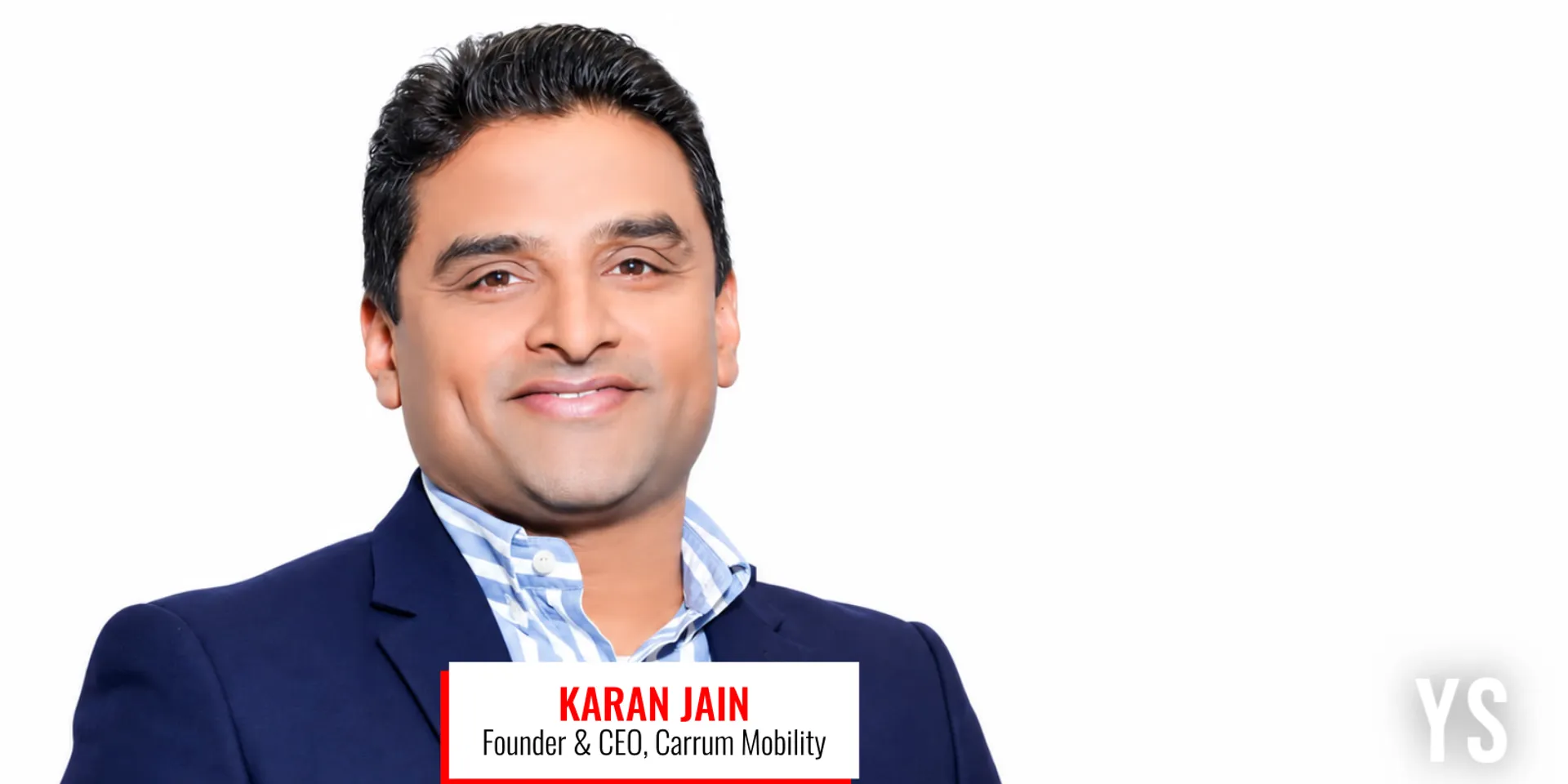
Carrum has not disclosed detailed plans for deployment of the fresh capital, though industry observers expect the funds to support fleet expansion, deepen its financing partnerships with lenders, and strengthen its technology stack for vehicle health monitoring and driver-side tooling. As competition intensifies among fleet-tech platforms serving India's ride-hailing and last-mile delivery ecosystems, sustained strategic backing from a partner with Uber's scale gives Carrum a distinct edge in securing both capital and demand visibility.
The transaction adds to a busy week for Indian mobility and logistics financing, as investors continue to differentiate between capital-light software plays and capital-intensive fleet operators, with strategic corporate money increasingly filling the gap that pure financial investors are reluctant to underwrite alone.
The repeat-investment pattern Uber has established with Carrum also reflects a wider recalibration among global technology platforms operating in India, many of which have learned through earlier cycles that direct fleet ownership carries operational and regulatory complexity poorly suited to a platform business model. Partnering with well-governed, well-capitalised local specialists allows Uber to participate in India's electrification wave without diverting management attention away from its core marketplace business.
For India's broader mobility-financing ecosystem, transactions of this kind also matter because they demonstrate to domestic lenders and non-banking financial companies that fleet-tech operators backed by credible strategic investors represent a bankable asset class, potentially easing access to the debt financing that companies like Carrum will eventually need to scale vehicle acquisition beyond what equity capital alone can support.
Looking further out, Carrum's next fundraising milestone will likely be measured against its ability to diversify its investor base beyond Uber alone, a step that would reduce dependency risk on a single strategic partner and signal broader market validation of its fleet-technology platform to financial investors evaluating the mobility-tech category independent of any single ride-hailing relationship.