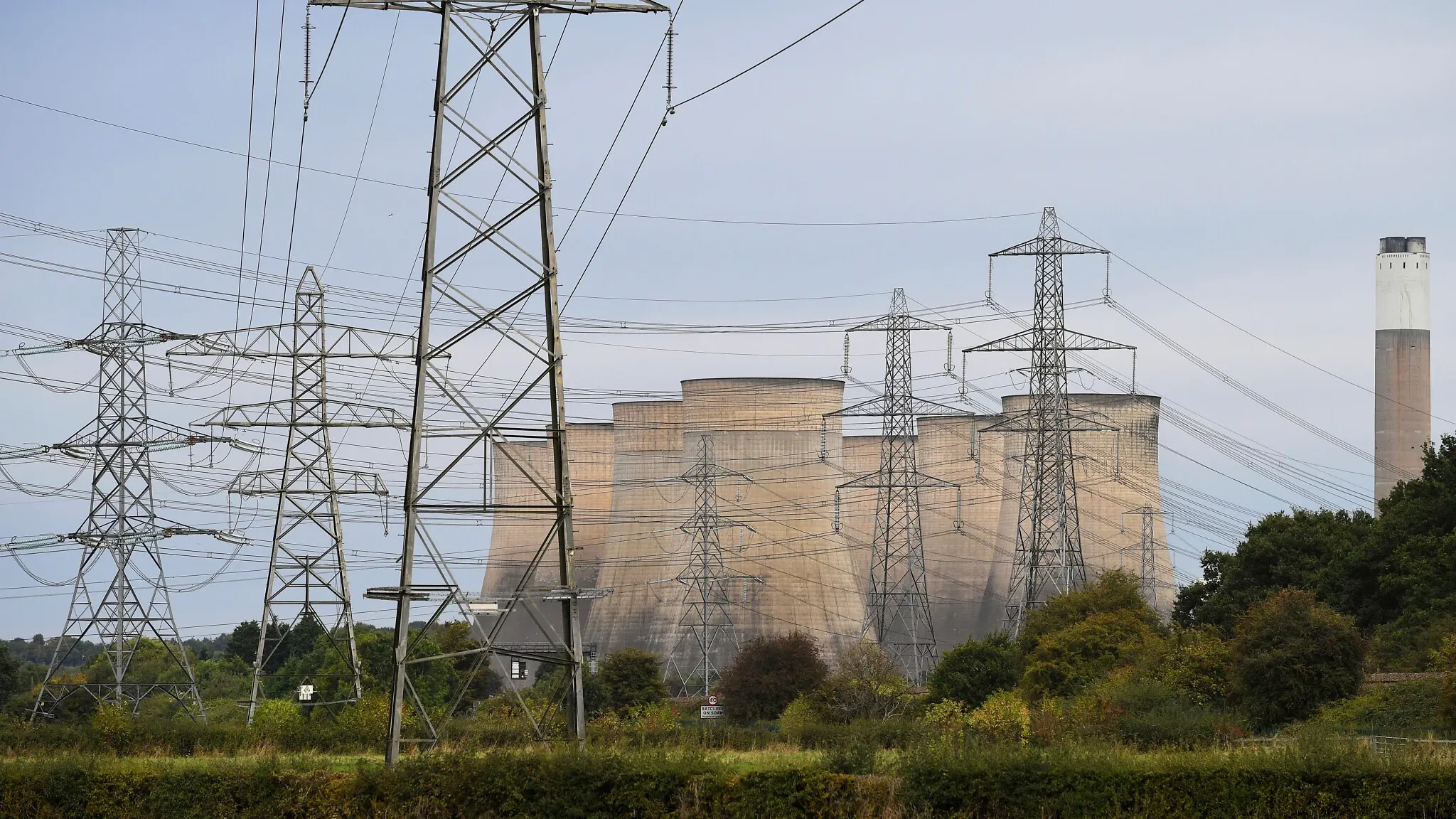
A cyberattack attributed to hackers linked to Iran forced a small-scale British power generator offline for four consecutive days in July, in what UK officials describe as the first successful attack of its kind against the country's energy infrastructure, The Telegraph reported. The UK government has stressed that the incident posed no risk to the broader national grid, but the episode has raised fresh alarm within Whitehall over the vulnerability of critical infrastructure amid escalating tensions between Britain, the United States and Tehran.
“This story refers to an incident impacting a small-scale energy generator, and at no point was there a risk to the wider energy system,” a spokesperson for the Department for Energy Security and Net Zero said, adding that “the UK has a highly resilient energy system” and that the department works closely with the energy sector on infrastructure protection. A government source told The Telegraph the affected facility was “less than a rounding error compared to grid capacity,” noting that Britain has dozens of small-scale power plants — many gas-fired and operating only intermittently — connected to the national grid.
The incident was reported to the National Cyber Security Centre, the public-facing arm of GCHQ, which held emergency briefings for energy company executives and issued guidance to businesses on strengthening security following the breach. NCSC chief Richard Horne warned earlier this year that hostile states including Iran were increasingly targeting UK infrastructure through online attacks — a warning this incident appears to substantiate.
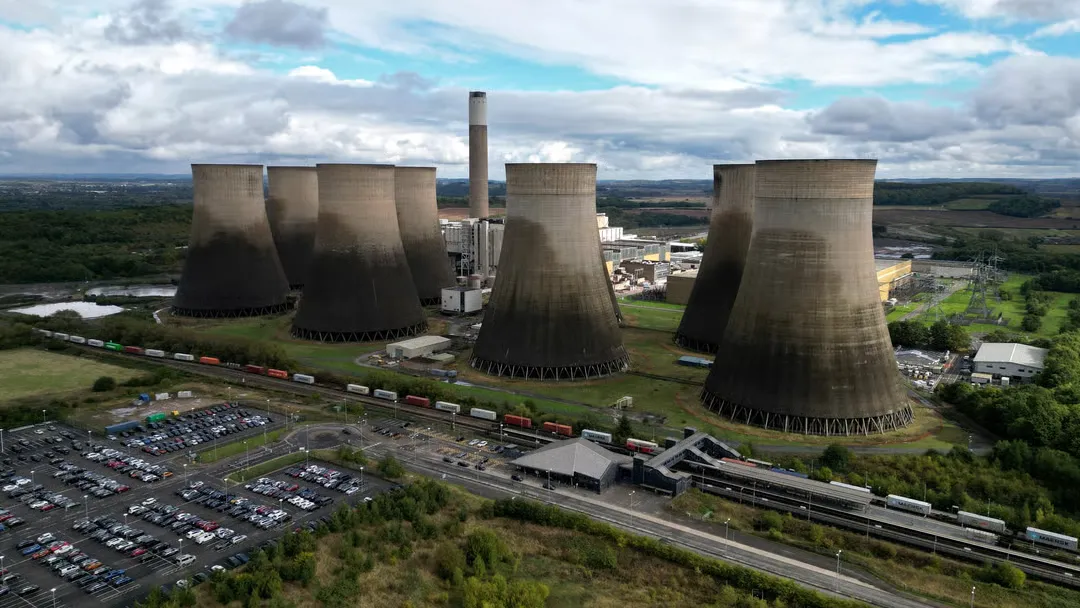
The UK attack coincided with a broader wave of Iran-linked cyberattacks against US water infrastructure that affected facilities across at least seven, and potentially as many as twelve, states over a two-week campaign in mid-August, according to reporting that cited officials from the FBI, the Environmental Protection Agency and the Cybersecurity and Infrastructure Security Agency. The hackers reportedly targeted programmable logic controllers — industrial components that allow utilities to manage water flow and chemical composition — with some breaches causing utilities to lose remote monitoring capability or triggering boil-water advisories.
Security analysts examining the UK incident suggest its apparent objective was less about causing widespread civilian harm than demonstrating operational capability — proof that hackers affiliated with Iran's Islamic Revolutionary Guard Corps can penetrate and disable sensitive British infrastructure at will. The attack's disclosure also follows the UK's confirmation that it had granted permission for the US to launch “defensive” operations against Iran from British bases, adding a further layer of geopolitical context to what officials otherwise describe as a contained, low-impact breach.
For the UK's energy sector, the incident lands as a pointed, if contained, warning: even a facility explicitly below the regulatory threshold for mandatory cyber-incident notification proved vulnerable to a sustained, multi-day breach. As Britain works with the US to counter what officials describe as an escalating pattern of Iranian state-linked cyber activity, the episode is likely to accelerate the government's ongoing development of a broader energy resilience strategy — and to sharpen questions about how many similarly small, similarly under-monitored facilities across the national grid remain exposed to the same category of attack.