FundingLatest Deals5 MIN READ

Ultraviolette Raises $85 Million Led by Yali Capital and TDK Ventures, Sets Sights on US Market in 2027

Bengaluru electric-motorcycle maker Ultraviolette has raised $85 million led by Yali Capital and TDK Ventures, with Lip-Bu Tan joining as investor and adviser, as it targets a US launch in 2027.

By Nisha Omkumar · Author24 September 2026New
Ultraviolette Raises $85 Million Led by Yali Capital and TDK Ventures, Sets Sights on US Market in 2027

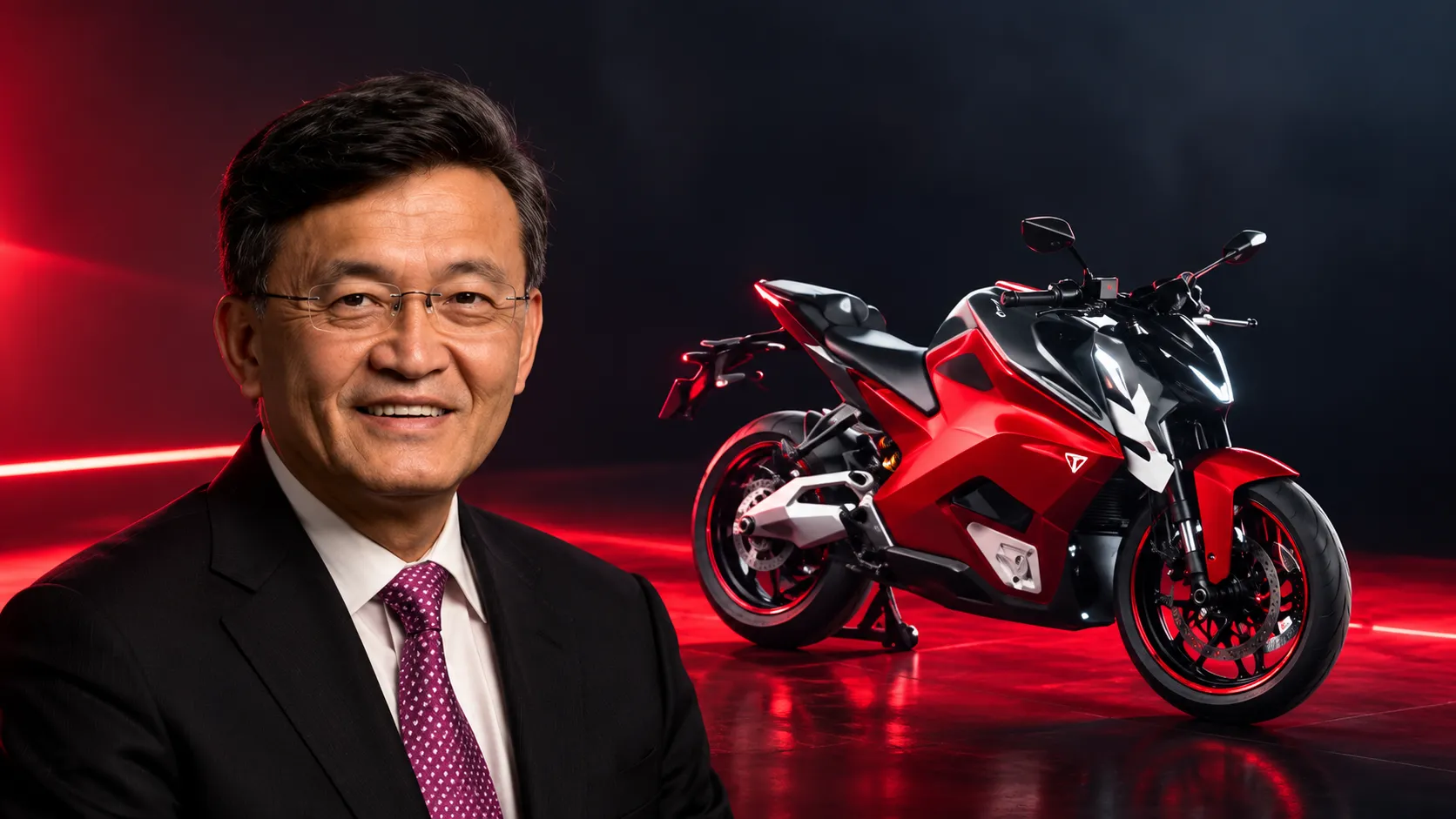
Ultraviolette, the Bengaluru-based developer of high-performance electric motorcycles, has raised $85 million in a funding round led by Yali Capital and TDK Ventures, the company said on Wednesday, September 23. Walden International chairman Lip-Bu Tan and existing investors also participated.

Tan, one of the most prominent investors in the global semiconductor industry, has also joined Ultraviolette as an adviser as part of the investment, according to Entrackr.

The company said it would use the capital to scale production of its F77 and X-47 electric motorcycles, as well as its upcoming Tesseract scooter and Shockwave enduro motorcycle. The funds will also support development of its next generation of electric-vehicle platforms across battery technology, power electronics, vehicle architecture and intelligent software.

A global ambition

Ultraviolette is targeting entry into the US market in 2027 and plans to expand across Latin America and Southeast Asia. The company already sells its electric motorcycles in India and in 20 European countries, according to Entrackr.

For an Indian two-wheeler manufacturer, the US ambition is striking. India is the world’s largest two-wheeler market, but its electric-motorcycle segment is still small compared with electric scooters. Ultraviolette has positioned itself at the premium, performance end of the market, competing on speed, technology and design rather than price.

That positioning makes international markets a logical target. Premium motorcycle buyers in Europe and North America are accustomed to higher price points and are often early adopters of new technology. Success there could provide the brand credibility and volumes that would be harder to achieve in India alone.

Building capital and capacity

The latest round follows $66 million raised in Ultraviolette’s ongoing Series E, which included $21 million from TDK Ventures and $45 million from Zoho Corporation and Lingotto, according to Entrackr. With the new funding, the company has raised $151 million across these disclosed fundraises since August 2025.

The fundraise also comes after Ultraviolette announced a new manufacturing facility with an annual production capacity of up to 500,000 units. That is a significant step up for a company whose products sit in a premium, lower-volume segment, and it signals an intention to broaden its range and serve multiple markets from India.

Technology as a moat

Founded in 2016 by Narayan Subramaniam and Niraj Rajmohan, Ultraviolette develops electric-vehicle platforms and battery technology in-house. The company says it has developed battery architectures ranging from 48V to 400V and that its technology capabilities span multiple vehicle segments.

That in-house approach matters in an industry where many new entrants rely heavily on imported components. Control over battery packs, power electronics and software allows a manufacturer to tune performance, manage costs and iterate quickly — advantages that become more valuable as competition intensifies.

The investor mix reflects that technology orientation. TDK Ventures is the corporate venture arm of Japanese electronic-components maker TDK, whose products span batteries, sensors and power electronics. Qualcomm Ventures is also among Ultraviolette’s backers, alongside Lingotto, Zoho Corporation, TVS Motor Company and Speciale Invest.

Tan’s participation adds further weight. As chairman of Walden International and a long-time investor in semiconductors and deep technology, he brings a network across the global chip and electronics supply chain that could be useful as Ultraviolette scales.
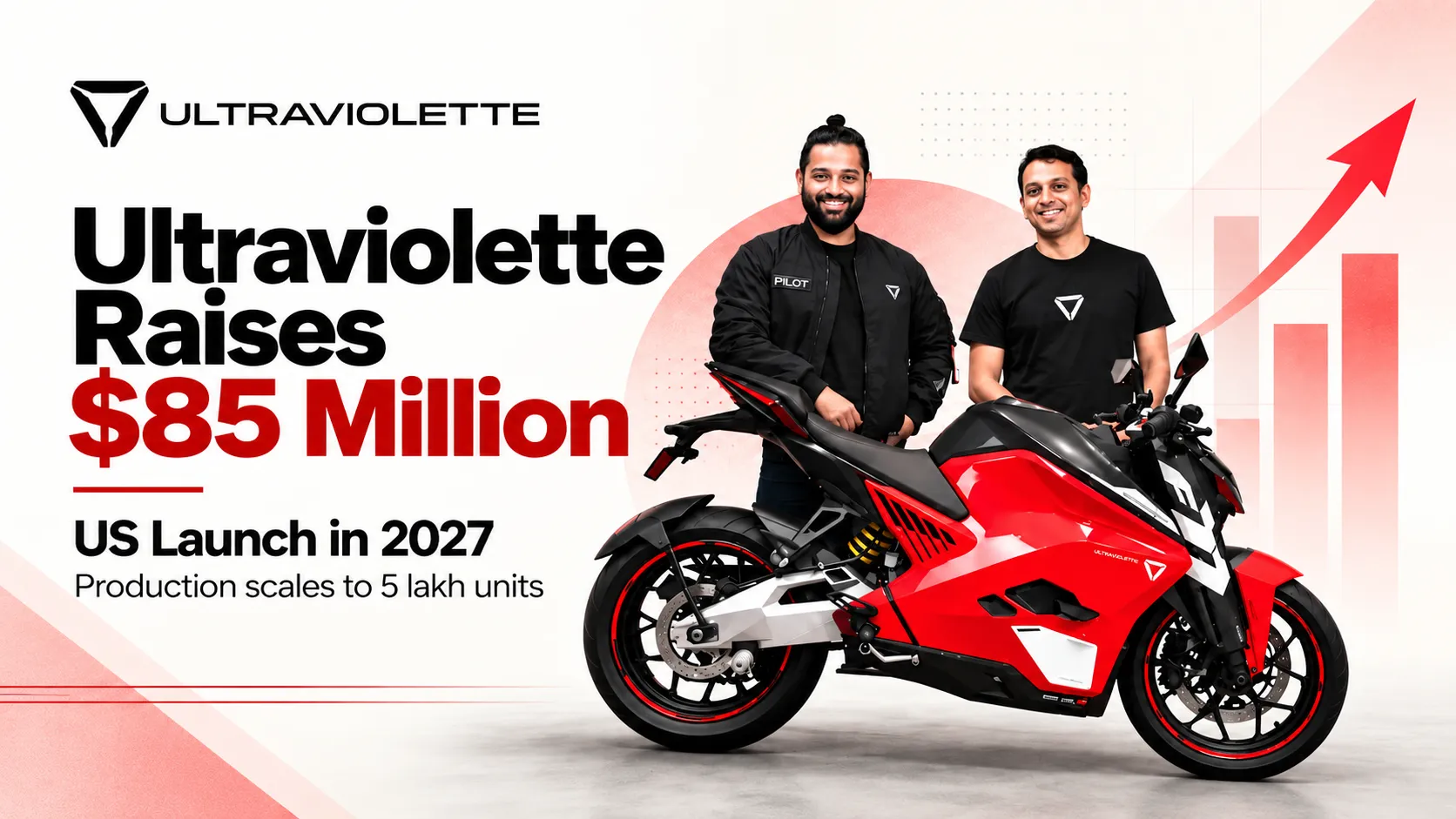

Ultraviolette has now raised $151 million across disclosed fundraises since August 2025 — capital that must be converted into scale on three continents.
TIGI Funding Desk

The competitive landscape

Ultraviolette will face strong competition as it expands. In India, established two-wheeler makers and well-funded electric startups are expanding their electric portfolios, and some are moving into the motorcycle segment. In Europe and the US, it will compete with established motorcycle brands launching electric models as well as specialist electric-motorcycle companies.

The product line-up

The F77 is Ultraviolette’s flagship performance motorcycle and the product that established the brand’s reputation for speed and technology. The X-47 extends the range, while the upcoming Tesseract scooter and Shockwave enduro motorcycle will take the company into new segments with different customer profiles and price points.

Broadening the portfolio is important for a company that wants to fill a factory with capacity of up to 500,000 units a year. Premium motorcycles alone are unlikely to generate those volumes; a scooter aimed at urban commuters and an off-road enduro model could open larger addressable markets in India and overseas.

The US market also presents regulatory, distribution and after-sales challenges. Homologation standards differ from those in India and Europe, dealer and service networks are expensive to build, and consumer expectations around range and charging infrastructure can vary widely.

ChatGPT Image Sep 24, 2026, 11_28_42 AM.png

Why it matters

Ultraviolette’s progress is significant beyond the company itself. India has long been a manufacturing base for global two-wheeler brands, but few Indian companies have built premium, technology-led vehicle brands with international reach. A successful US launch would strengthen the case that Indian deeptech hardware companies can compete globally on product and engineering, not just on cost.

The funding also reflects continued investor appetite for Indian manufacturing and clean-mobility businesses despite a volatile global market. Strategic and corporate investors — including semiconductor and electronics players — are increasingly willing to back companies that combine hardware, software and energy technology.

For Ultraviolette, the task now is execution: bringing new products to market, ramping up its expanded manufacturing capacity and building the distribution and service infrastructure required to support customers across three continents. The $85 million raise gives it more room to do so — and raises expectations accordingly.

Raising capital in a tougher market

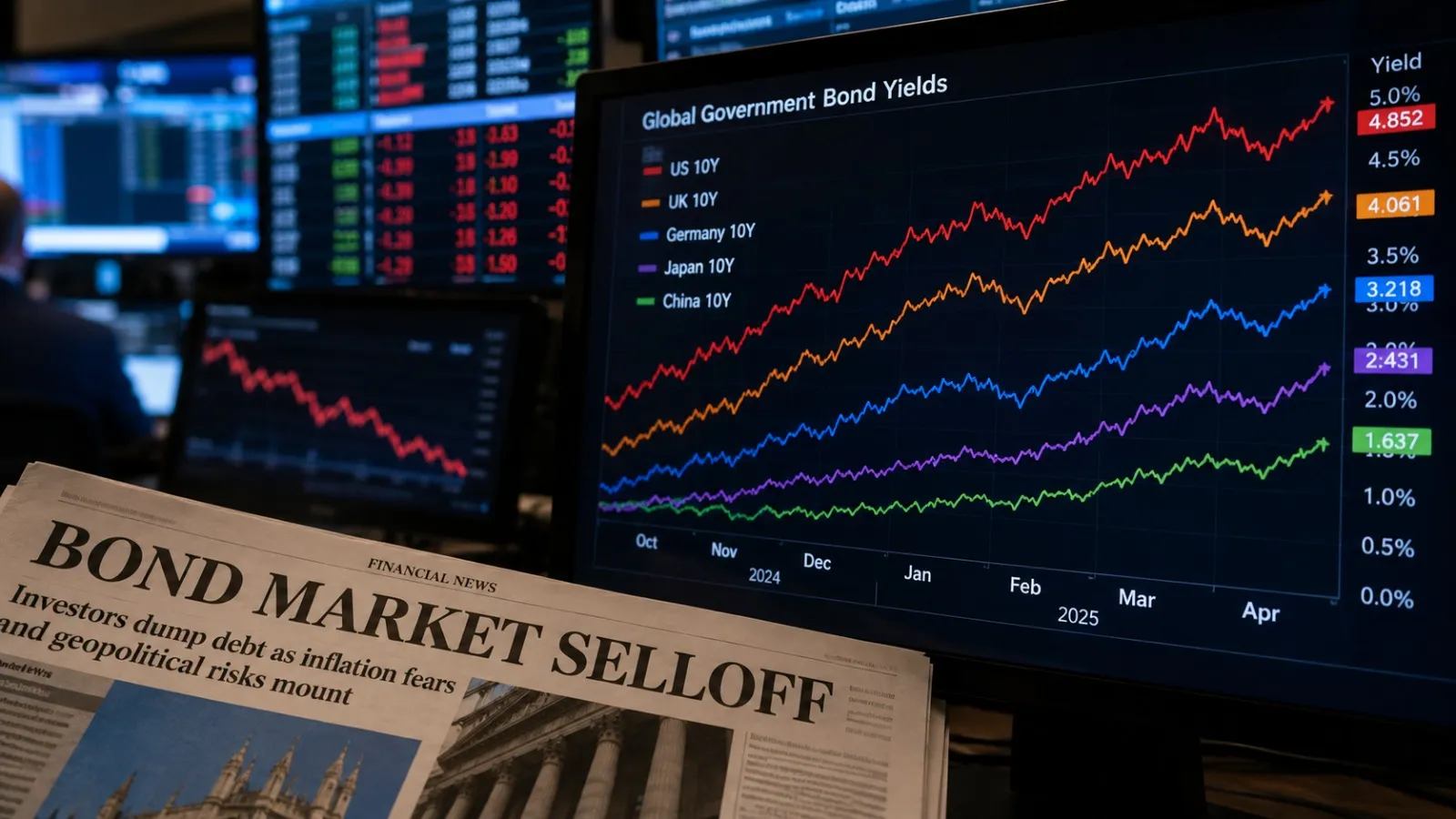
The timing of the round is also notable. Global borrowing costs have risen sharply this year, with the Institute of International Finance reporting that average government borrowing costs across Group of Seven economies are at their highest since 2008. Higher interest rates typically make investors more selective about capital-intensive hardware businesses.

Against that backdrop, Ultraviolette’s ability to raise $85 million — on top of the $66 million already secured in its Series E — suggests that investors see its combination of in-house technology, manufacturing scale and international ambition as a differentiated opportunity rather than a generic electric-vehicle bet.

Investors will be watching three milestones in particular: the ramp-up of the new plant, the commercial launch of the Tesseract and Shockwave, and the regulatory and distribution groundwork for the 2027 US entry. Progress on all three would position Ultraviolette as one of the few Indian vehicle makers with a genuinely global premium brand.

TagsUltravioletteElectric MotorcyclesEVYali CapitalTDK VenturesLip-Bu TanZohoLingottoF77BengaluruDeeptechUS ExpansionBattery TechnologyClean MobilityStartup Funding

Reader reviews

Sign in to rate and review this article.
Loading reviews…