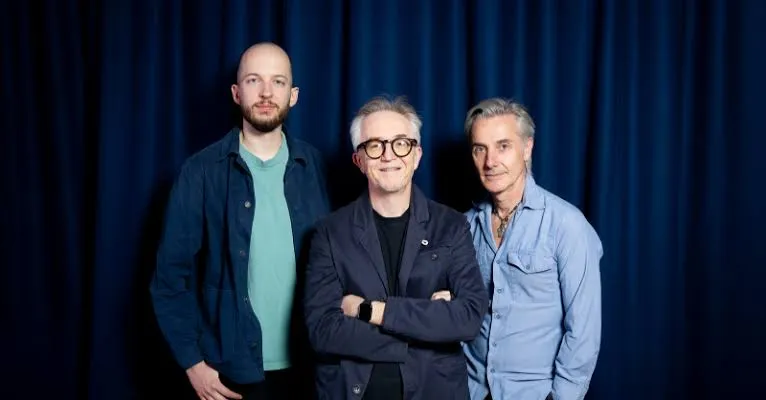
London-based Unit1 Studio has secured £20 million, or roughly €23.3 million, in new financing combining an oversubscribed equity round led by Balderton Capital with additional production financing, according to a disclosure reported on September 21, 2026. Existing investors Mercuri, Gilston Music and former U2 manager Paul McGuinness also participated in the round.
Unit1's core ambition is to solve an economic problem that the widely publicised success of productions like ABBA Voyage has both highlighted and left unresolved: while high-end avatar concert performances have proven that audiences will pay for tickets to digitally rendered live shows, the format has so far required a dedicated, purpose-built venue and an enormous upfront production investment, limiting such shows to a single fixed location. Unit1's technology is designed specifically to let a digital concert production move between existing venues, rather than remaining anchored to one custom-built theatre.
The company's first operating proof point came through a demonstration production featuring musician KT Tunstall, during which Unit1 says it successfully transferred an avatar production between venues in just four days — a timeline that, if it holds up across further deployments, would represent a dramatic reduction in the logistical and financial barriers that have so far confined avatar concerts to a small handful of dedicated, permanent installations globally.
The commercial opportunity Unit1 is targeting extends well beyond artists who have stopped performing altogether. Musicians who remain alive and active but are no longer able or willing to sustain a full touring schedule — due to age, health considerations, or simply changing career priorities — represent a potentially significant licensing market for portable avatar productions, allowing them to maintain a live-performance presence and associated revenue without the physical demands of conventional touring.
The broader immersive-entertainment sector that Unit1 operates within has attracted growing institutional investment over the past two years, as several high-profile avatar and hologram-based productions have demonstrated genuine consumer willingness to pay premium ticket prices for digitally rendered live experiences. What has remained unresolved across the sector, however, is whether the underlying technology and production processes can be sufficiently standardised to support a genuinely repeatable, multi-city business model, rather than the bespoke, single-venue productions that have characterised the category's highest-profile successes to date.