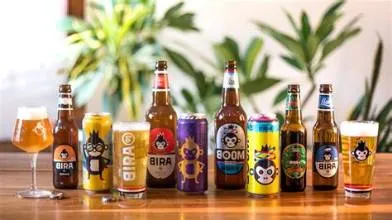
upGrad, the Mumbai-based edtech company, has filed an insolvency petition against B9 Beverages, the company behind craft beer brand Bira 91. The case adds to a growing list of creditors seeking to recover money from what was once one of India's most celebrated consumer startups.
The petition was filed on October 22 at the Delhi bench of the National Company Law Tribunal (NCLT) under Section 9 of the Insolvency and Bankruptcy Code (IBC). upGrad is seeking to recover about ₹1.02 crore that it says B9 Beverages owes it. Details of the filing were reported this week.
Section 9 allows operational creditors, such as suppliers and service providers, to start insolvency proceedings against a company that has failed to pay its dues. Filing a petition does not automatically lead to insolvency. The tribunal must first admit the case, and the company can contest the claim or settle the dispute before that happens.
Not the first creditor to act
upGrad is not the first operational creditor to approach the NCLT over unpaid dues. Devyani International, one of India's largest quick-service restaurant operators, had earlier filed a petition over about ₹1.09 crore. Another creditor, HNGIL, filed a claim of about ₹11.77 crore.
The number of creditor petitions points to significant financial stress at B9 Beverages. Insolvency petitions from multiple creditors often signal that a company is struggling to meet obligations across its business, rather than facing a single isolated dispute.
The nature of upGrad's claim has not been fully disclosed. Operational debts can arise from a range of commercial relationships, including services, supplies or partnerships.
A dramatic reversal for Bira 91
Bira 91 was founded by Ankur Jain in 2015 and quickly became a symbol of India's emerging premium consumer market. Its distinctive branding, with its monkey logo, and its focus on flavoured craft beers attracted young urban drinkers and helped it build a national presence.
The company raised significant funding from investors, including Japanese brewer Kirin Holdings, and expanded into multiple markets in India and abroad. At its peak, Bira 91 was valued at hundreds of millions of dollars and was often cited as one of India's most promising consumer brands.
In recent years, however, the company has run into serious difficulties. Bira 91 has reportedly been out of production since September 2025, and its liabilities have been reported at around ₹1,000 crore.
What went wrong
Several factors contributed to Bira 91's troubles. A major issue was a change of the company's legal name from B9 Beverages Pvt Ltd to B9 Beverages Ltd ahead of a planned IPO. Under India's state-by-state alcohol regulations, the name change reportedly required the company to re-register its products in multiple states, which disrupted sales for months and led to the write-off of large amounts of inventory.
The disruption hit revenue sharply at a time when the company was already burning cash. Alcohol is heavily regulated in India, with each state setting its own rules on licensing, pricing and distribution. Those rules make it difficult for brands to scale quickly and leave them exposed to regulatory changes.
The company's difficulties also led to employee and vendor complaints over unpaid salaries and dues, as well as disputes among stakeholders.
Founder and investor dispute
Bira 91's crisis has been compounded by a dispute between Ankur Jain and the company's investors. Investors have reportedly raised concerns about governance and the company's management, while Jain has defended his leadership and sought to raise new funding to rescue the business.
In September, the NCLT suggested that the parties try to resolve their differences through mediation. The outcome of that process will have a significant bearing on whether Bira 91 can be restructured or whether it moves towards formal insolvency.
The dispute has made it harder for the company to secure fresh capital. New investors are typically reluctant to commit money when there is conflict between founders and existing shareholders, and when multiple creditors are pursuing legal action.
Implications of the insolvency process
If the NCLT admits one or more of the creditor petitions, B9 Beverages would enter the corporate insolvency resolution process (CIRP). Under the IBC, an interim resolution professional would take over management of the company, and the board's powers would be suspended.
The resolution professional would then try to find a buyer or a restructuring plan that could return the business to viability while maximising recovery for creditors. If no viable plan emerges within the prescribed timelines, the company could be liquidated.
For a consumer brand, insolvency can be particularly damaging. Customers, distributors and retailers may lose confidence, and the value of the brand itself can erode quickly. At the same time, a well-known brand can attract interest from potential buyers, including larger alcohol companies looking to expand in India's premium beer segment.
Lessons for Indian startups
Bira 91's decline offers lessons for the wider Indian startup ecosystem. It shows how regulatory complexity can have outsized effects on companies in heavily regulated industries, and how a single administrative change can disrupt an entire business.
It also highlights the importance of strong governance and of keeping a good relationship between founders and investors. When those relationships break down, it can become much harder for a company to navigate a crisis.
Finally, the case underlines the risks of rapid expansion funded by venture capital in capital-intensive consumer categories. Brewing requires significant investment in production, distribution and marketing, and growth can quickly outpace a company's ability to generate cash.
A wider pattern of consumer brand stress
Bira 91 is one of several high-profile Indian consumer brands that have faced financial difficulties after years of rapid growth. Investors have become more cautious about funding loss-making consumer businesses, and many companies have had to cut costs, seek new funding at lower valuations or explore sales.
The craft beer market in India still has strong long-term potential. Rising incomes, urbanisation and changing tastes among young consumers support demand for premium beer. But Bira 91's experience shows that capturing that opportunity requires careful management of regulation, capital and operations.
upGrad's position
For upGrad, the claim is relatively small compared with its overall business. The edtech company, co-founded by Ronnie Screwvala, has expanded through acquisitions and new programmes in recent years. The decision to pursue the claim through the NCLT reflects the common use of insolvency petitions as a recovery tool by operational creditors in India.
The IBC has given creditors a powerful mechanism to push debtors to pay, because the threat of insolvency often encourages companies to settle. Many Section 9 petitions are withdrawn after the parties reach a settlement.
What comes next
The NCLT will hear the petitions in the coming weeks and months. The tribunal will consider whether the debts are valid and undisputed, and whether the petitions meet the requirements of the IBC.
The outcome of the mediation between Jain and the investors will also be crucial. A settlement that brings in new capital could allow Bira 91 to resolve its debts and restart production. Without one, the company's future could be decided in the insolvency process.
For The Impactful Global Indian's readers, the case is a reminder that even the most visible startup brands can face rapid reversals, and that strong governance, regulatory awareness and financial discipline remain essential for long-term success.


