The United States and China have agreed to extend their trade truce until January 10, 2027, US Treasury Secretary Scott Bessent said on Wednesday, September 23, as President Donald Trump welcomed Chinese President Xi Jinping to Washington for a three-day state visit.
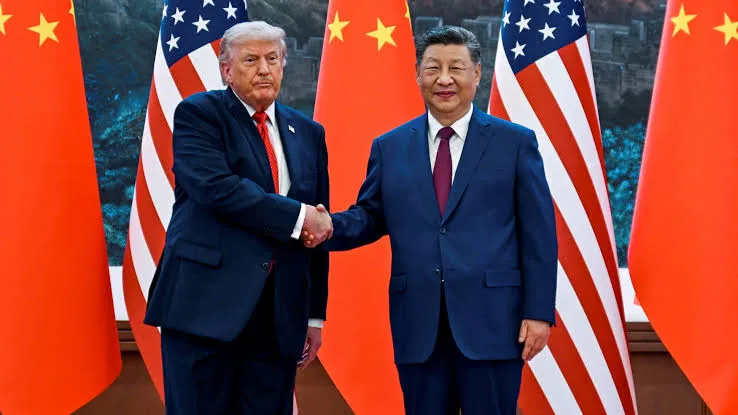
In an unusual diplomatic gesture, Trump personally greeted Xi at Joint Base Andrews in Maryland after the Chinese leader’s arrival, underscoring the importance the White House is attaching to the visit, Reuters reported. China’s embassy in Washington had no immediate comment on Bessent’s remarks.
The extension reduces the immediate risk of another sharp escalation in tariffs between the world’s two largest economies — a prospect that had loomed over markets as the existing truce approached its expiry in November.
Background: the Busan truce
The current arrangement dates back to a meeting between Trump and Xi in Busan, South Korea, in October 2025. That agreement paused a trade war in which the two countries had threatened each other with tit-for-tat tariffs that topped 100%, disrupting global supply chains, according to Reuters.
Following the Busan truce, the effective US tariff on Chinese goods was reduced from 57% to 47%, according to published summaries of the arrangement. The truce had been due to expire on November 10, putting both sides under pressure to decide whether to extend it.
China’s one-year suspension of sweeping rare-earth export controls, announced in October 2025, was also due to expire on November 10, The National reported — giving Beijing significant leverage in negotiations over an extension.
A carefully staged visit
Xi’s trip is his first to the US in nearly three years, and the state visit is the first by a Chinese leader to Washington in more than a decade. At the arrival ceremony, the two leaders and their wives shook hands and spoke briefly as a military band played, and the ceremony included a flyover by two B-1 bombers, according to CBS News.
The main events were scheduled for Thursday, September 24, including a White House arrival ceremony, a military review and the substantive bilateral meeting between the two presidents, followed by a state dinner in the East Room.
Expectations were modest
Few analysts expected a grand bargain. The World Economic Forum described the summit as likely to stabilise a fragile trade détente rather than deliver a broad reset. Reuters reported that the visit was not expected to produce major breakthroughs, but that an extension of the truce was the most likely concrete outcome — which Bessent’s announcement appeared to confirm.
US Trade Representative Jamieson Greer had said earlier this month that the two countries would make “some announcements on agriculture and non-tariff barriers”, according to Reuters. Traders are also watching for progress on an agreed mutual tariff reduction covering about $30 billion in goods — a basket of “non-sensitive” products that could be managed through a bilateral Board of Trade.
The disputes that remain
Deep differences persist. The two countries remain at odds over export controls on rare-earth minerals and advanced computer chips, China’s ties to Iran and US support for Taiwan, Reuters reported.
Critical minerals are among the most sensitive issues. China dominates the global refining of rare earths and other minerals essential for everything from electric vehicles and wind turbines to defence systems and AI hardware. The US wants secure access to those materials, while China wants assurances that export controls will not be used as blunt instruments against it, according to the World Economic Forum.
Technology is equally contentious. Washington restricts exports of some advanced chips, chip-making equipment and related technology to China on national-security grounds, while Beijing argues that those restrictions hinder Chinese companies and distort normal economic activity.
Contrasting positions
The visit comes at a difficult moment for Trump, who faces public discontent over the war involving Iran, Reuters reported. Xi, while facing challenges at home, arrives in a seemingly stronger position, with China’s trade engine roaring.
China’s global trade surplus is on pace to exceed $1 trillion for a second consecutive year, even as the country deals with weaker domestic demand and a prolonged property downturn, according to Reuters. That export strength has given Beijing confidence, but it has also intensified concerns among trading partners about the scale of Chinese exports.
Tariff reductions on agricultural goods would be the most straightforward concession for China to make, Reuters noted, given the importance of US farm exports and the political significance of agriculture for the Trump administration.
Why markets care
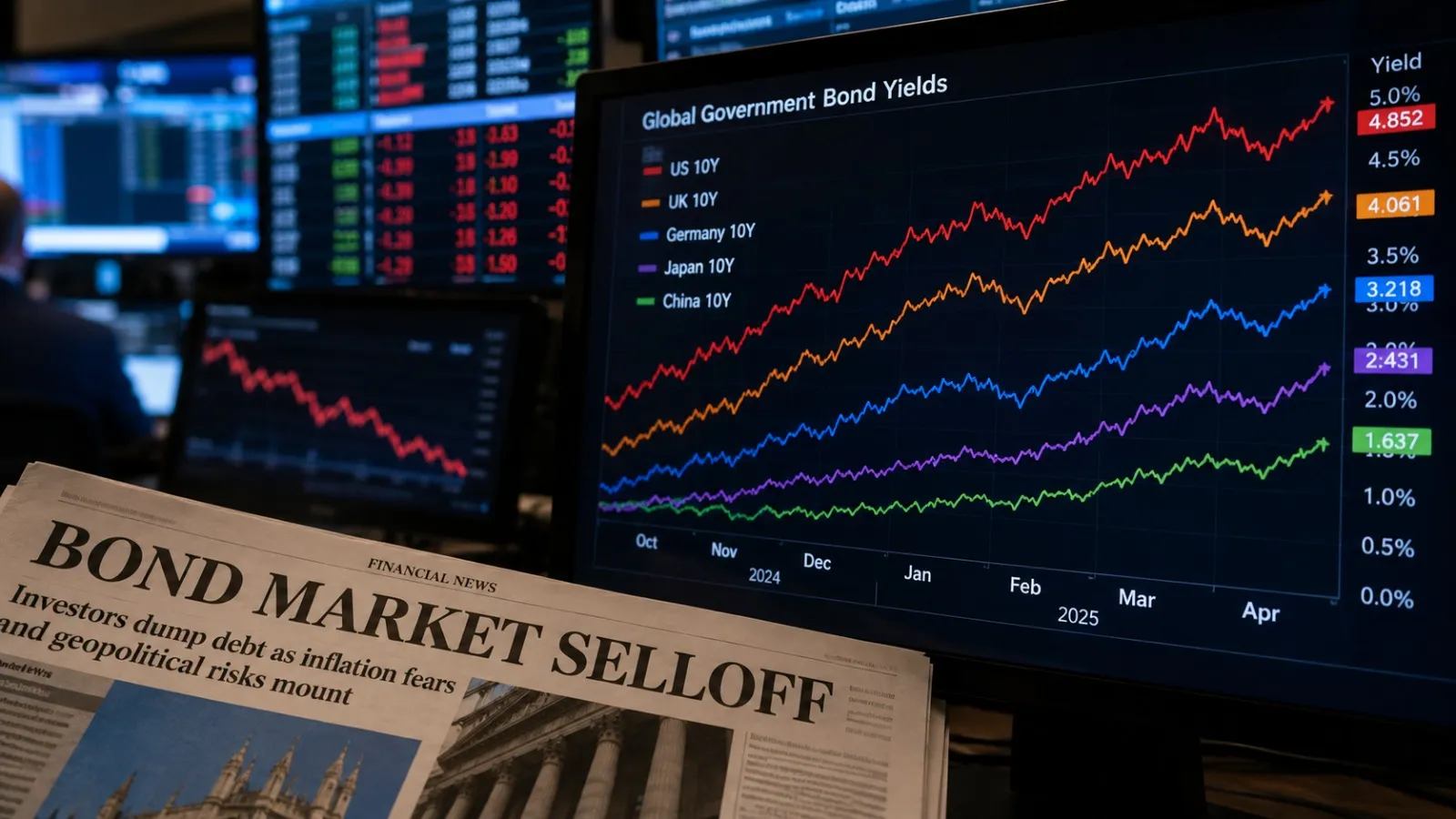
For global markets, the truce extension removes a significant near-term risk. A collapse of the truce in November could have triggered a return to punitive tariffs, disrupting supply chains and adding to inflationary pressures at a time when bond yields are already rising sharply.
Businesses with exposure to US-China trade — from agriculture and aircraft to electronics and consumer goods — gain a few more months of relative certainty. Companies that had been weighing whether to accelerate supply-chain diversification away from China will continue to assess whether the extension represents durable stability or merely a delay.
Implications for India
For India, the US-China relationship shapes both risks and opportunities. A stable truce reduces the risk of global trade disruption that could weigh on Indian exports. At the same time, continued tensions over technology and supply chains support the strategic case for companies to diversify manufacturing away from China — a trend India has sought to benefit from through its manufacturing incentives, particularly in electronics.
What comes next
Attention now shifts to Thursday’s talks and any accompanying announcements on agriculture, non-tariff barriers, rare earths and technology. Markets will look for signs of whether the truce extension is accompanied by concrete steps that could make the arrangement more durable, or whether it simply buys time while the fundamental disputes remain unresolved.
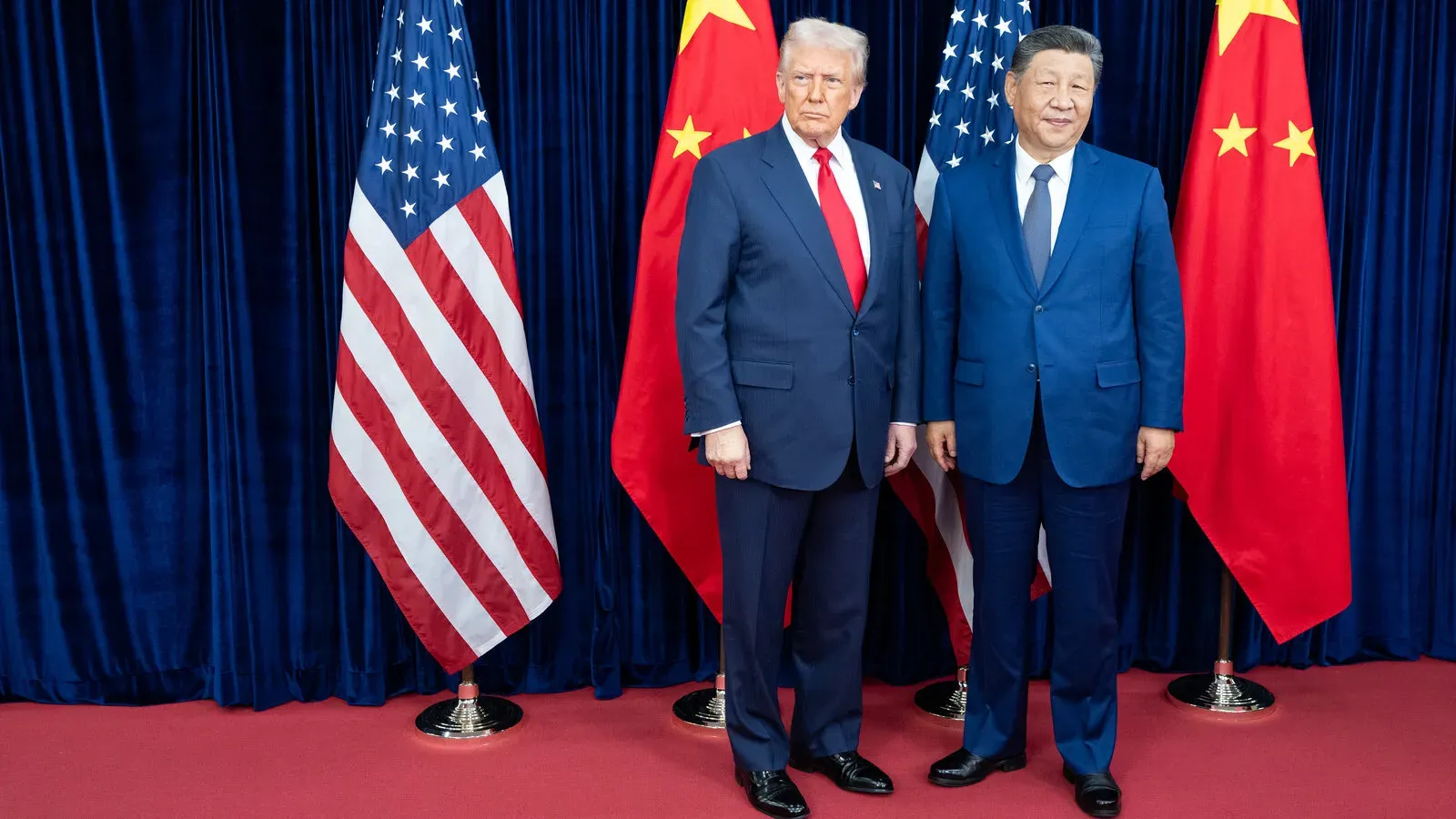
Either way, the image of Trump greeting Xi on the tarmac signals a shared interest in avoiding an immediate rupture. Whether that interest can be translated into lasting agreements on the issues that divide the two powers remains the central question for the global economy.