American consumers are feeling more pessimistic about the economy than at almost any time in the history of one of the most closely watched surveys of household confidence.
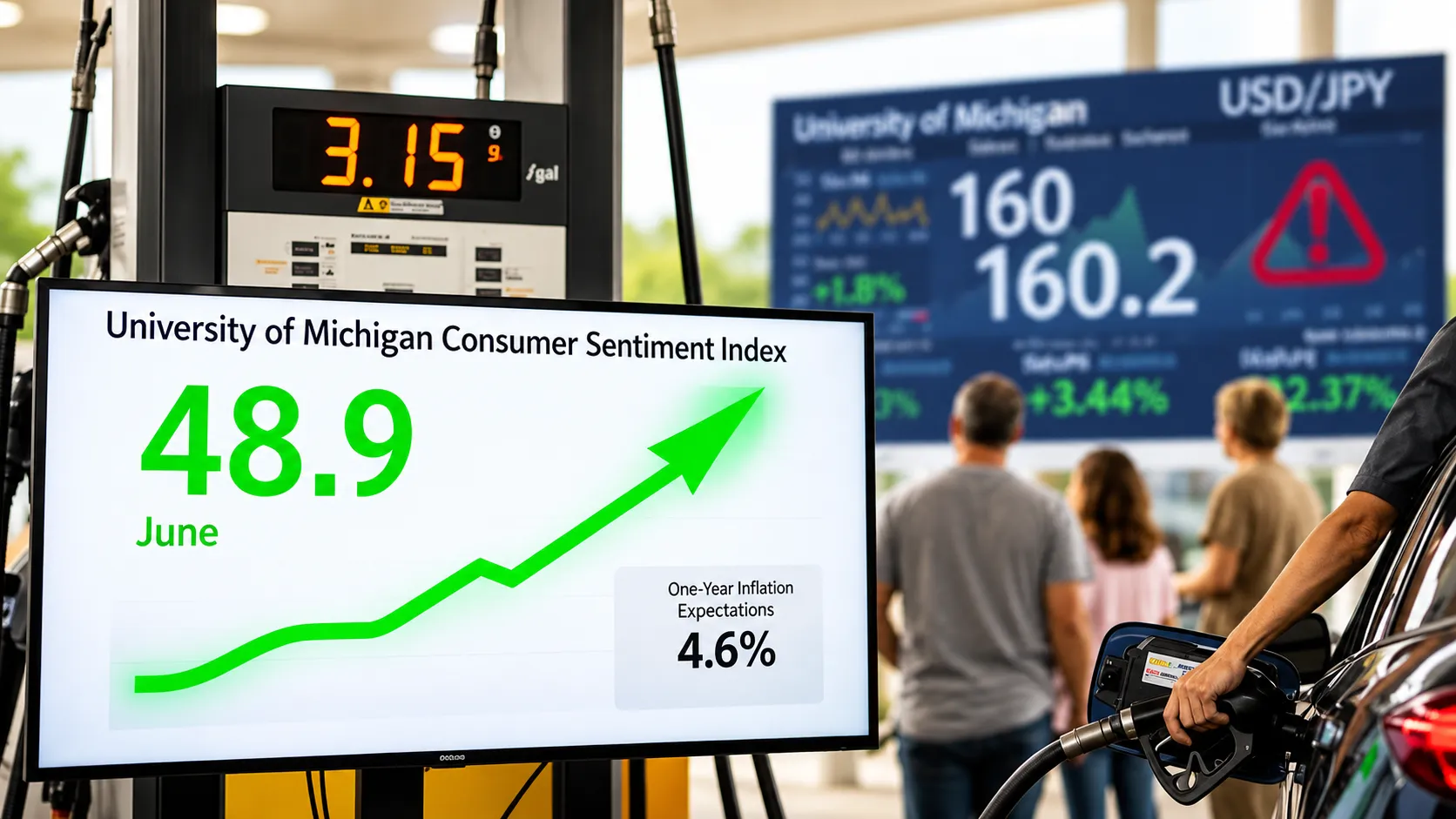
The University of Michigan's final reading of its consumer sentiment index for September, released on Friday, September 25, came in at 48.1. That was down from 51.7 in August, a decline of 3.6 points or about 7 per cent, and well below the 55.1 recorded a year earlier.
The reading was slightly better than economists had expected. The consensus forecast had been 47.8, in line with the preliminary mid-month figure. But the small upward revision did little to change the overall picture.
According to analysis by Advisor Perspectives, the September reading is below the index's value at the outset of each of the six recessions that have occurred since the survey began, and sits more than 40 per cent below the long-term average of about 83.6.
Expectations are falling fastest
The details of the survey show that Americans are more worried about the future than about their present circumstances.
The current conditions index, which measures how consumers view their finances and buying conditions today, slipped to 50.9 from 51.9 in August. The expectations index, which captures views about the months and years ahead, fell more sharply, to 46.3 from 51.4.
A decline in expectations is often seen as a leading indicator. Consumers who expect conditions to worsen tend to cut back on discretionary spending and postpone large purchases, which can slow economic growth.
"Consumer sentiment ticked down less than four index points in September, reaching the lowest reading in four months," said Joanne Hsu, director of the university's Surveys of Consumers.
Inflation fears return
The most striking part of the report concerns inflation. Year-ahead inflation expectations rose to 4.6 per cent in September from 4.0 per cent in August, the highest level since June.
That is well above the 3.4 per cent recorded in February, before the conflict involving Iran pushed up energy prices, and far above the range of 2.8 to 3.2 per cent seen throughout 2024. Long-run inflation expectations, covering the next five to ten years, edged up to 3.4 per cent from 3.3 per cent.
Inflation expectations matter because they can become self-fulfilling. If households and businesses expect prices to keep rising, workers may demand higher wages and companies may raise prices more readily. Central banks watch these expectations closely, and a sustained rise can make them more reluctant to cut interest rates.
A broad-based gloom
One of the most notable findings of the survey is how widely shared the pessimism has become. "Overall, interviews reveal broad agreement across the political spectrum that the outlook for the economy has weakened since the beginning of the year," Hsu said.
In recent years, consumer sentiment has often split sharply along partisan lines, with supporters of the party in the White House more optimistic than their opponents. A consensus that conditions are deteriorating is therefore a significant signal, and one that comes just weeks before the November midterm elections.
What is driving the pessimism
Several forces are weighing on American households.
Energy costs are the most visible. Oil prices have remained elevated for much of 2026 because of the conflict in the Middle East and disruptions to shipping through the Strait of Hormuz. Higher fuel prices affect household budgets directly and feed into the cost of transport, food and other goods.
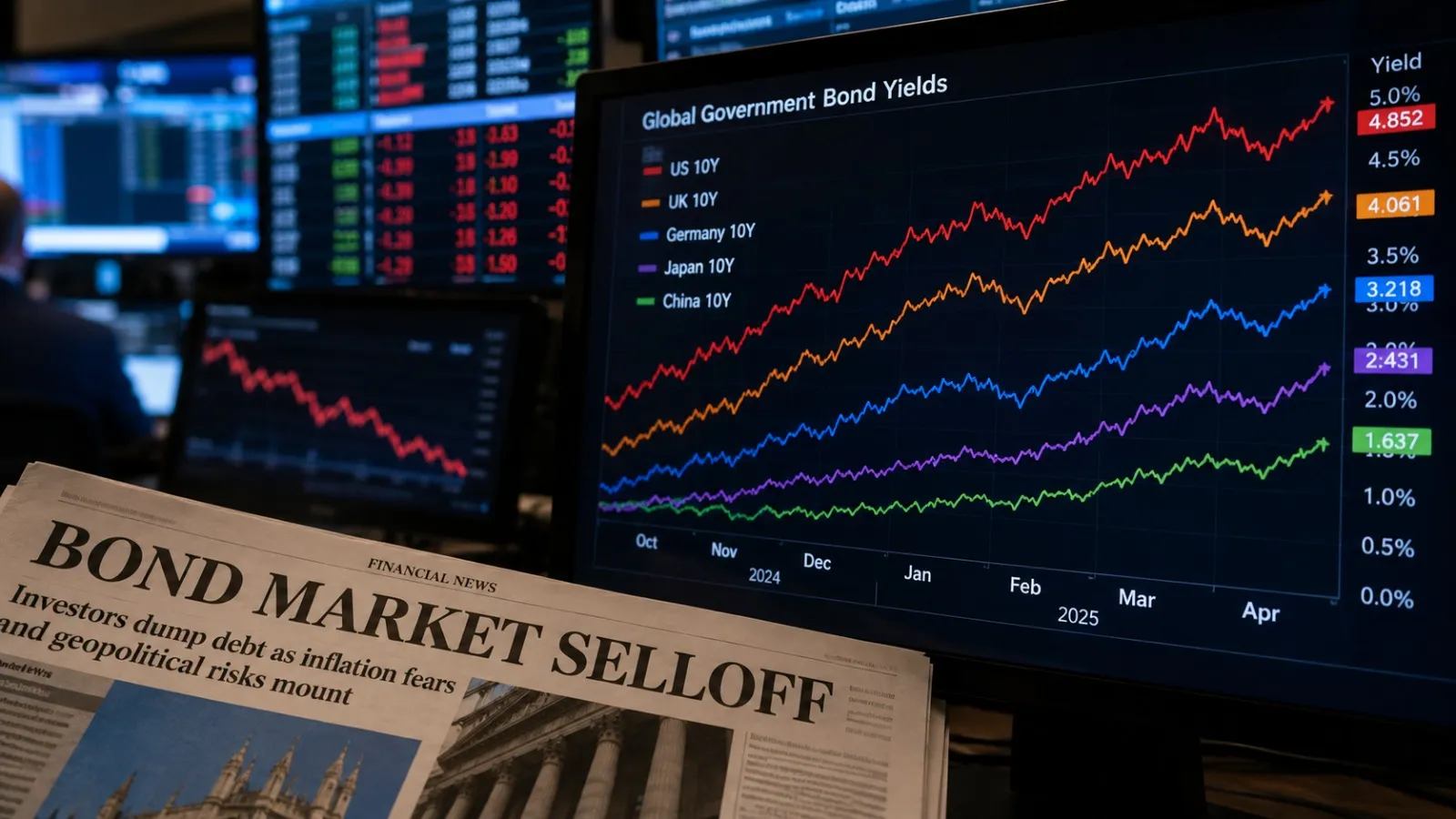
Borrowing costs are another factor. US Treasury yields have climbed to their highest levels in nearly two decades, with the 10-year yield above 5.2 per cent this week. That pushes up mortgage rates, car loan rates and credit card interest, making it more expensive for families to buy homes, vehicles and other big-ticket items.
The cost of living more broadly remains a concern. Even as the pace of price increases has varied, many households feel that prices for essentials remain much higher than a few years ago, eroding the purchasing power of wages.
The paradox of a resilient stock market
The survey results stand in contrast to the stock market. On the same day the sentiment figures were released, the S&P 500 rose 0.5 per cent to close within 0.7 per cent of its record high. Business investment has also held up: separate government data released on Friday showed that durable goods orders excluding transportation and defense rose 1.6 per cent in August, more than three times the gain analysts had expected.
That divergence reflects the uneven nature of the current economy. Companies benefiting from the AI investment boom and households with significant stock holdings have seen their wealth rise. Many other Americans, particularly those without large investment portfolios, are feeling the squeeze of higher prices and borrowing costs more directly.
Does weak sentiment predict a recession?
Consumer sentiment surveys are not perfect predictors of economic activity. In recent years, spending has often held up better than sentiment would suggest, as households continued to spend even while telling pollsters they were unhappy.
Still, the depth of the current pessimism is hard to ignore. A reading below the level at the start of every recession since the survey began is a warning sign, even if it does not guarantee a downturn. Economists will be watching upcoming data on retail sales, employment and consumer spending closely for signs that pessimism is translating into reduced activity.
Implications for policymakers
The rise in inflation expectations complicates the outlook for the Federal Reserve. Policymakers want to support growth and employment, but they are also wary of allowing higher inflation to become entrenched. Rising expectations, combined with elevated energy prices, argue for caution about cutting interest rates, even as consumer confidence weakens.
For the White House and Congress, the survey arrives at a politically sensitive moment. Economic perceptions often weigh heavily on voters, and a broad-based sense that the economy is deteriorating is likely to feature prominently in the final weeks of the midterm campaign.
Why it matters globally
The US consumer accounts for a large share of global demand. A slowdown in American spending would affect exporters around the world, including companies in India that sell goods and services to the United States. Higher US inflation and interest rates also influence capital flows, currencies and borrowing costs worldwide.
A divided economy
September's consumer sentiment reading confirms that American households are deeply uneasy about the economy. A score of 48.1, rising inflation expectations and a rare consensus across political lines that conditions have worsened paint a sobering picture.
Whether that pessimism translates into weaker spending remains the key question. For now, the gap between confident markets and anxious consumers is one of the defining features of the US economy in 2026, and one that investors, policymakers and voters will be watching closely in the weeks ahead.