FundingMarket Data Women5 MIN READ

US Durable Goods Orders Hold Flat in August, Beating Forecasts as Core Business Orders Jump 1.6%

New orders for US durable goods were essentially unchanged at $338.6 billion in August, beating expectations of a decline. Orders excluding transportation and defense rose 1.6%, more than three times the forecast, suggesting business investment is holding up despite high borrowing costs and weak consumer confidence.

By Shaym Kumar · Author26 September 2026New
US Durable Goods Orders Hold Flat in August, Beating Forecasts as Core Business Orders Jump 1.6%

American factories received a steady flow of orders in August, offering a counterpoint to gloomy readings on consumer confidence and a reminder that parts of the US economy remain resilient despite high interest rates and energy costs.

New orders for manufactured durable goods, items designed to last three years or more such as machinery, electronics, appliances, vehicles and aircraft, were essentially unchanged in August at $338.6 billion, according to the Census Bureau's advance report released on Friday, September 25. That followed a 0.9 per cent increase in July.

A flat reading may sound unremarkable. But economists had expected a decline of about 0.3 per cent, so the result was better than forecast.

Beneath the headline

The more revealing numbers came from the report's details, which strip out volatile categories to give a clearer view of underlying demand.

Orders excluding transportation rose 0.3 per cent, according to data compiled by MarketScreener. That was below economists' expectations of a 0.6 per cent increase and slower than July's 0.7 per cent gain.

Orders excluding defense rose 0.1 per cent.

The strongest signal came from orders excluding both transportation and defense, which rose 1.6 per cent. Zacks Equity Research noted that this measure of core business spending came in at "+1.6%, more than triple the +0.5% analysts were expecting."

Transportation equipment was the weak spot. Orders in that category fell 0.6 per cent, or $0.7 billion, to $114.1 billion, marking declines in three of the past four months. Transportation orders are often driven by large, irregular aircraft purchases, which is why economists typically exclude them when assessing underlying trends.

Why business investment matters

Durable goods orders are closely watched as an indicator of business investment. When companies order machinery, computers and other equipment, they are signalling confidence in future demand and a willingness to expand capacity.

The 1.6 per cent rise in orders excluding transportation and defense suggests that, despite high borrowing costs, many businesses are still investing. That is consistent with broader evidence of heavy spending on technology, data centres and AI infrastructure, which has been one of the main drivers of US economic activity this year.

Business investment has become particularly important as consumers show signs of strain. On the same day, the University of Michigan reported that consumer sentiment fell to 48.1 in September, below its level at the start of every US recession since the survey began. If households cut back on spending, investment by businesses will play a larger role in determining whether the economy continues to grow.

A tale of two economies

Friday's data captures the unusual shape of the US economy in 2026. Consumer confidence is weak, inflation expectations have risen and borrowing costs are at their highest in nearly two decades. Yet companies continue to order equipment, the stock market sits near record highs and parts of manufacturing are adding jobs.

According to a Brushwood Media Network report on the data, manufacturing employment has increased by about 43,000 jobs since May, after the sector lost roughly 68,000 jobs in 2025. That recovery, while modest, suggests that some producers are seeing enough demand to hire.


“Households say they are gloomier than at the start of any recession on record. Factories, for now, are telling a different story.”
— TIGI Markets Desk

The divergence between businesses and households reflects differences in how each is affected by current conditions. Large companies with strong balance sheets can fund investment from cash flow, while households feel the impact of higher fuel prices, mortgage rates and consumer loan costs more directly.

The interest rate backdrop

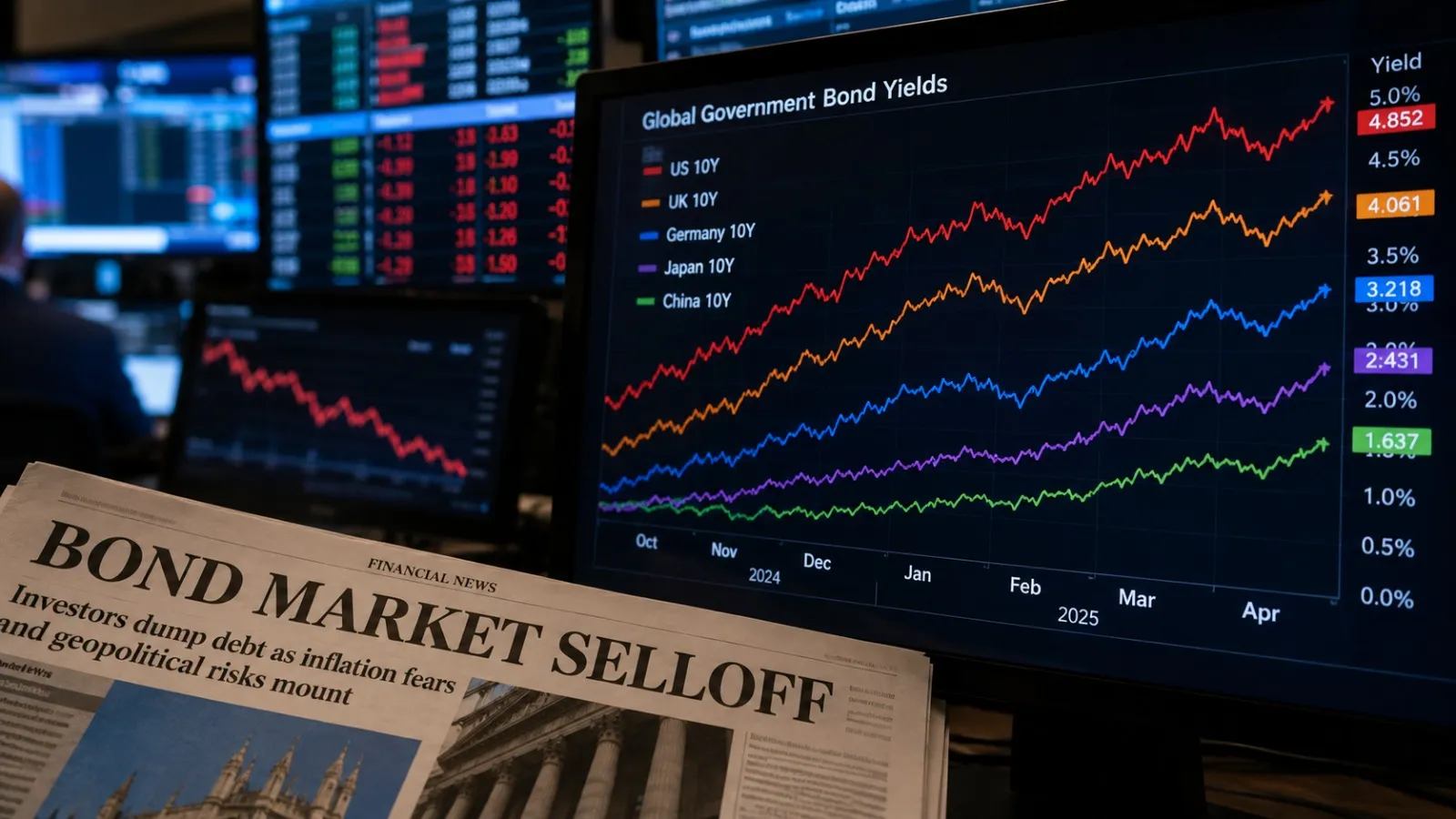
The resilience of business investment is notable given the level of interest rates. The yield on the 10-year Treasury note rose above 5.2 per cent this week, its highest since 2007. Higher yields raise the cost of corporate borrowing and make investment projects harder to justify.

That investment is holding up suggests companies see strong strategic reasons to spend, whether to capture opportunities in AI and automation, reshore supply chains or modernise ageing equipment.

For the Federal Reserve, the data adds to a complex picture. Resilient investment argues against the need for immediate support for the economy. Rising inflation expectations among consumers argue for caution. Weak sentiment, on the other hand, raises the risk that household spending will slow. Policymakers will weigh all of these signals as they consider their next steps.

Market reaction

Financial markets took the report in their stride. US stocks rose on Friday, with the S&P 500 gaining 0.5 per cent and the Dow Jones Industrial Average adding 0.9 per cent, helped by a fall in oil prices and a rally in large technology companies. The durable goods report was one of several data points investors digested during the session.

ChatGPT Image Sep 26, 2026, 12_52_45 PM.png

What comes next

The figures released on Friday are from the Census Bureau's advance report, which is based on early survey responses. The full report on manufacturers' shipments, inventories and orders is scheduled for October 2, and the numbers can be revised.

Economists will also be watching shipments of core capital goods, which feed directly into estimates of business investment in gross domestic product, and new orders in the coming months to see whether August's strength in core business orders is sustained.

The view from abroad

The health of US manufacturing and business investment has implications well beyond America's borders. Strong US demand for equipment and technology benefits exporters and suppliers around the world, including companies in Asia and Europe that provide components and machinery.

For India, US investment trends matter in several ways. Indian IT services companies depend heavily on technology spending by American businesses. Indian manufacturers are seeking to expand exports to the US as companies diversify their supply chains. And US economic strength influences interest rates and capital flows that affect Indian markets.

Businesses still investing

August's durable goods report offered a reassuring signal at a time of widespread economic anxiety. Headline orders held steady rather than falling, and core business orders rose far more than expected.

The data does not change the broader picture of an economy under pressure from high interest rates and elevated energy prices. But it does suggest that American businesses, at least for now, remain willing to invest in the future. As long as that holds, the risk that weak consumer sentiment tips the economy into a downturn may be lower than the surveys alone would suggest.

TagsDurable GoodsUS EconomyCensus BureauManufacturingBusiness InvestmentCapital SpendingEconomic DataTreasury YieldsConsumer SentimentFederal ReserveMarket DataMacroeconomics

Reader reviews

Sign in to rate and review this article.
Loading reviews…