FundingMarket Data Women5 MIN READ

Hot US Business Data and $103 Oil Push Treasury Yields to Two-Decade Highs, Dragging Wall Street Off Records

US stocks fell on September 23 as the fastest business-activity growth since 2021, Brent near $103 and a weak five-year note auction sent Treasury yields to near two-decade highs.

By Aravind Kumar · Author24 September 2026Market Wrap
Hot US Business Data and $103 Oil Push Treasury Yields to Two-Decade Highs, Dragging Wall Street Off Records

US equities retreated from near-record levels on Wednesday, September 23, as a combination of unexpectedly strong economic data, rising oil prices and a poorly received Treasury auction pushed government bond yields to their highest levels in nearly two decades.

The S&P 500 fell 0.75% to close at 7,706.03, the Nasdaq Composite shed 1.13% to 26,936.04 and the Dow Jones Industrial Average lost 352.10 points, or 0.68%, to settle at 51,511.59, according to CNBC. The declines came just a day after the Nasdaq Composite had closed at a record high.

Strong data, uncomfortable implications

The trigger was a set of purchasing managers’ index readings showing US business activity expanding at its fastest pace since 2021, according to Bloomberg. On most days, evidence of a robust economy would be welcomed by investors. On Wednesday, it was read as a warning that inflationary pressures may be building — and that the Federal Reserve could need to keep raising interest rates.

Trading Economics noted that the S&P Global PMI data showed strong new orders and multi-year highs in input and output prices, reinforcing concern that companies are facing, and passing on, higher costs.

Oil adds fuel

Energy markets compounded the pressure. Brent crude settled around $103 a barrel, Bloomberg reported, fuelling bets that the Fed will continue tightening policy. Oil prices have been elevated for much of the year amid conflict in the Middle East and disruptions affecting supply routes, and higher energy costs feed directly into inflation expectations.

The combination of strong demand and expensive energy is a difficult mix for central banks. Growth that is running hot makes it harder to argue that inflation will cool on its own, while energy-driven price increases can quickly spread into transport, manufacturing and consumer costs.

A weak auction, a 5% milestone

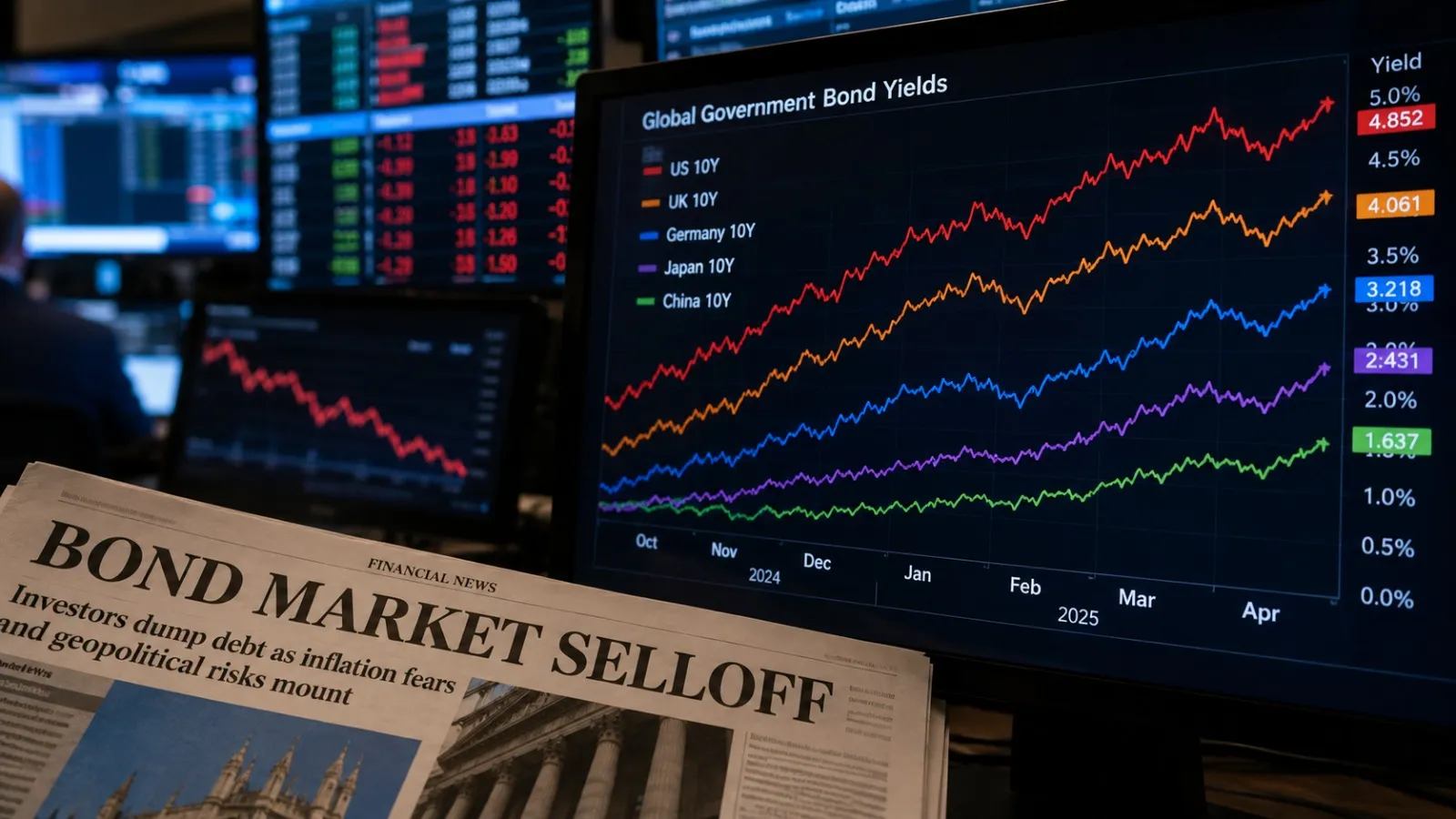
The bond market provided the day’s sharpest signal. A selloff in Treasuries deepened after a weak $70 billion sale of five-year notes, which drove yields on most maturities to almost two-decade highs, according to Bloomberg.

The five-year Treasury yield hit 5% for the first time since 2007, TheStreet reported. The 10-year yield also surged to its highest level since 2007, according to Yahoo Finance. Weak demand at a government auction typically forces yields higher to attract buyers, and investors watch such results closely as a gauge of appetite for US government debt at a time of heavy issuance.

The dollar climbed against all major currencies as yields rose, Bloomberg reported — a move that tightens financial conditions globally and adds pressure on emerging-market currencies and borrowers with dollar-denominated debt.

Sector damage

Declines in utilities and consumer discretionary stocks led the broader market lower, each shedding more than 1%, according to CNBC. Utilities are particularly sensitive to rising yields because investors often treat them as bond-like income investments; when Treasury yields rise, their dividends look relatively less attractive.

Among individual stocks, McDonald’s fell 4.89% and Home Depot lost 2.80%, while Alphabet also dropped sharply, according to Trading Economics. Salesforce, Chevron and Boeing were among the gainers, with energy stocks supported by higher oil prices.
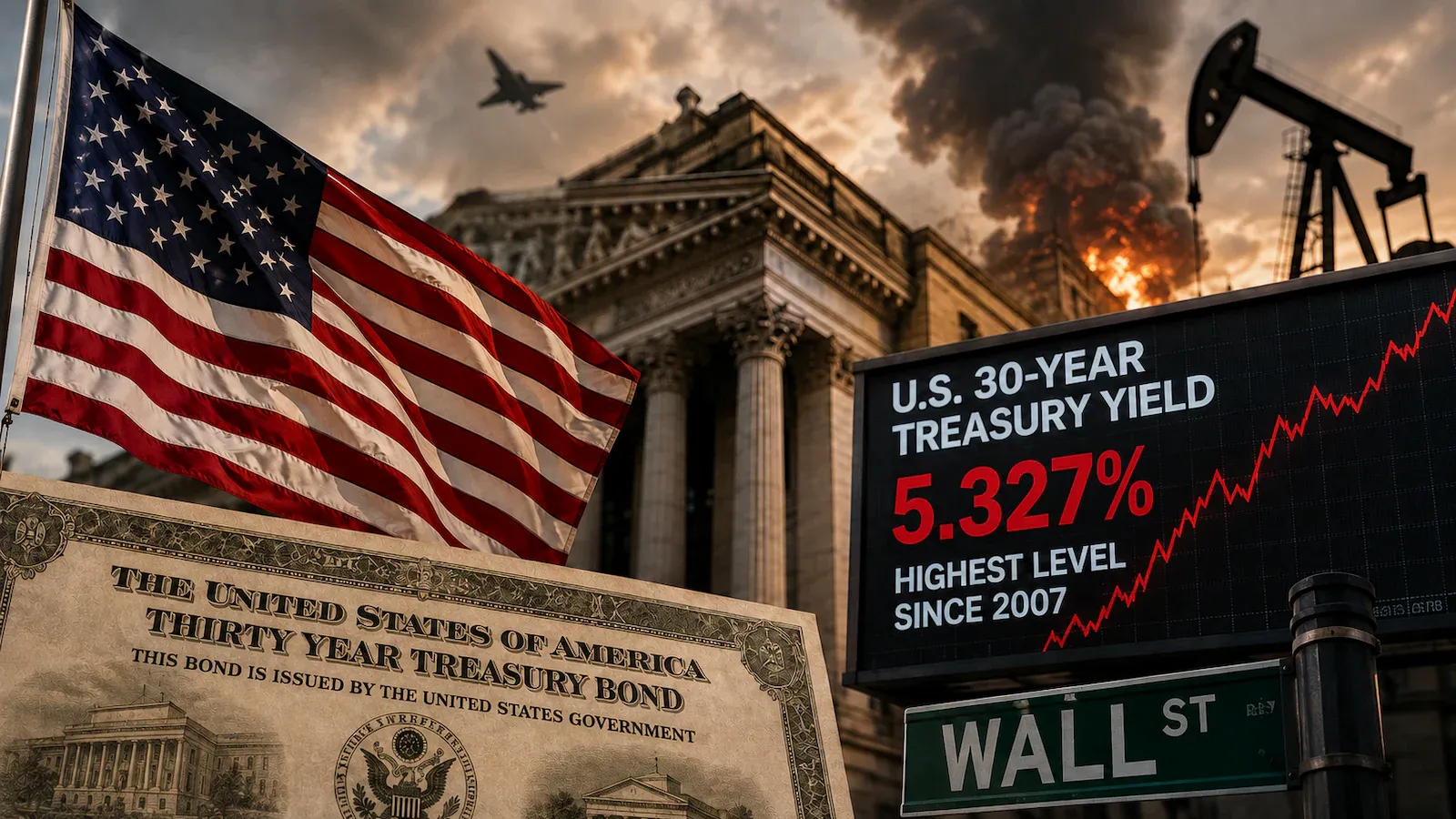

The five-year Treasury yield touched 5% for the first time since 2007 — a level that reprices everything from mortgages to startup valuations.
TIGI Markets Desk

The Russell 2000 index of smaller companies had been trading higher earlier in the session before the broader market weakened, TheStreet noted. Smaller companies tend to be more exposed to borrowing costs, making their performance a useful indicator of how investors are assessing the impact of higher rates.

image.png

The Fed’s dilemma

The market reaction underscores how dramatically the interest-rate debate has shifted. Investors are no longer primarily focused on when the Fed might cut rates; they are increasingly pricing the possibility of further increases. CNBC reported that equities were weighed down by concern among investors that more interest-rate hikes may be coming.

That shift has broad implications. Higher rates raise borrowing costs for households and companies, weigh on housing and investment, and reduce the present value of future earnings — a particular concern for high-growth technology companies whose valuations depend heavily on profits expected years from now.

Wednesday’s pullback was notable for its timing. On Tuesday, the Nasdaq Composite had closed at a record 27,244.28, and the Nasdaq 100 also slipped back from its record high on Wednesday, according to Trading Economics — a reminder of how quickly sentiment can turn when the rate outlook shifts.

Global spillovers

The US moves reverberated across markets. In Asia, early Thursday trading reflected a cautious mood, with GIFT Nifty futures in India pointing to a weaker open after Wednesday’s rebound in Mumbai. Rising US yields and a stronger dollar tend to draw capital away from emerging markets, putting pressure on currencies and equity valuations.

The rise in yields also comes as the Institute of International Finance reported on the same day that global debt had climbed to a record above $365 trillion, with government borrowing costs across Group of Seven economies at their highest since 2008. Higher yields increase the cost of servicing that debt, adding to fiscal pressures on governments worldwide.

Geopolitics in the background

Investors were also weighing a busy geopolitical calendar. US and Iranian officials held talks on the sidelines of the United Nations General Assembly, which President Donald Trump described as a “very good meeting”, TheStreet reported. Meanwhile, Chinese President Xi Jinping arrived in Washington for a state visit, with trade and technology high on the agenda.

Any easing of tension in the Middle East could help cool oil prices and relieve some of the inflation pressure weighing on bonds. Conversely, any escalation would likely push energy prices higher and intensify the challenge facing central banks.

What to watch

For investors, the coming days will hinge on whether bond yields stabilise or continue to climb. Further economic data, additional Treasury auctions and comments from Federal Reserve officials will all shape expectations for the path of interest rates.

Wednesday’s session was a reminder that in the current environment, good economic news can be bad news for markets. As long as inflation risks remain elevated and oil prices stay high, strong growth may be interpreted less as a reason for optimism than as a reason for tighter monetary policy — and a more difficult backdrop for stocks, bonds and global capital flows alike.

TagsWall StreetS&P 500NasdaqDow JonesTreasury YieldsFederal ReserveInflationPMIBrent CrudeOil PricesBond MarketUS DollarGlobal MarketsInterest Rates

Reader reviews

Sign in to rate and review this article.
Loading reviews…