America's inflation problem is showing up not only in shop prices but also in the prices businesses pay each other, adding to pressure on the Federal Reserve to raise interest rates again.
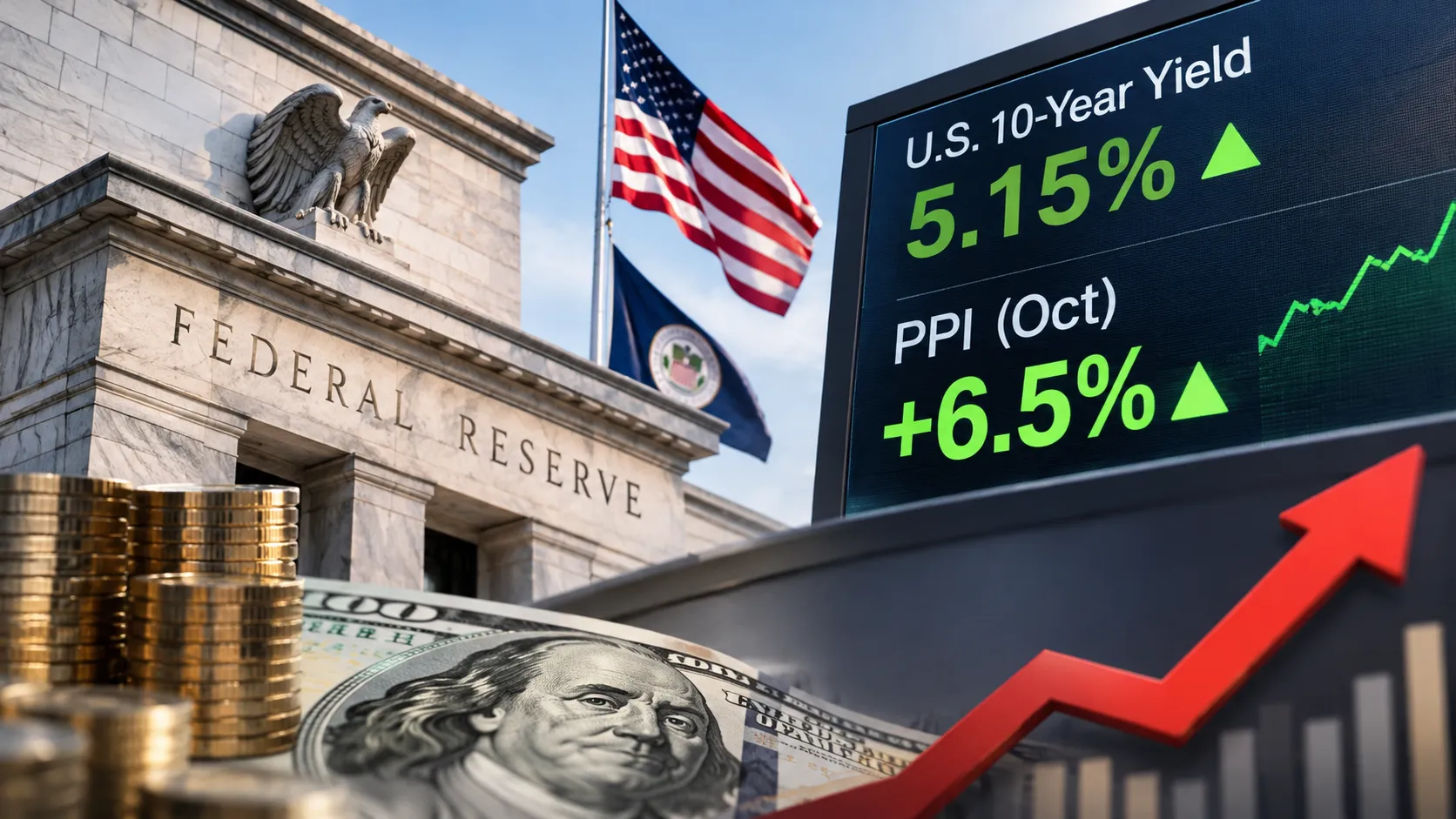
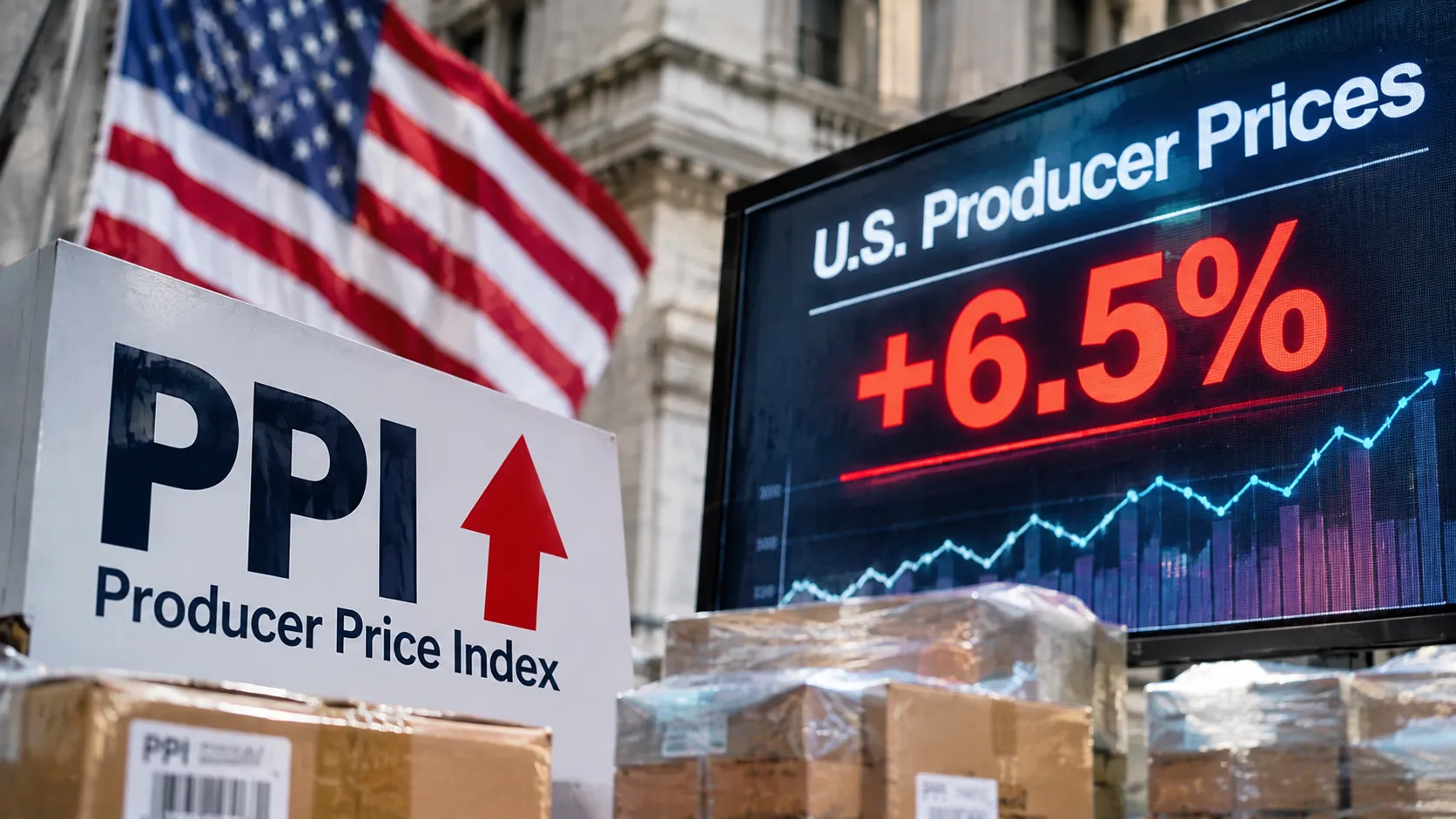
The producer price index (PPI), which measures prices received by US producers for goods and services, rose 6.5% in the 12 months to October, the largest annual increase since November 2022, according to data released by the Labor Department on Friday, November 13, as reported by StockTitan and Yahoo Finance. Economists had expected a 6.6% annual increase.
On a monthly basis, producer prices rose 0.3% in October, slightly below the 0.4% that economists had forecast. Prices excluding food, energy and trade services, a measure of underlying inflation, rose 0.5%, the same pace as in September.
A long climb
The October figure extends a steep rise in wholesale inflation over recent months. In September, producer prices jumped 1.34% in a single month, more than double economists' expectations, and 6.34% from a year earlier, according to TheStreet's analysis of the September release. Energy prices rose a record 10.78% in that month alone, with gasoline up 20.3%, driven by conflict in the Middle East.
Wholesale prices matter because they feed into consumer prices with a lag. When businesses pay more for raw materials, energy and services, they often pass those costs on to customers.
Consumer inflation also hot
The PPI data followed hotter-than-expected consumer price data earlier in the week. Core consumer prices, which exclude food and energy, rose 0.3% in October, above estimates for the third consecutive month, according to Business Today. The combination of rising consumer and producer prices has convinced many investors that the Federal Reserve will need to keep raising rates.
The Fed's dilemma
Traders are now bracing for a rate increase at the Fed's December meeting, according to Yahoo Finance. Fed governor Michelle Bowman said earlier in the week that rate increases may be needed, and governor Christopher Waller has backed at least a quarter-point increase.
The Fed's shift towards raising rates marks a sharp change from 2025, when it cut rates as inflation eased. A surge in energy prices linked to conflict involving Iran, together with strong demand and tight labour markets, has pushed inflation back up.
Bond yields climb
The bond market has responded sharply. The yield on the 10-year US Treasury note closed at 5.15% on Friday, after reaching 5.17% during the day, its highest level since October, according to Yahoo Finance. A sell-off in bonds on Thursday, triggered by a spike in oil prices, had already pushed yields higher.
The 10-year Treasury yield is one of the most important interest rates in the world. It influences mortgage rates, corporate borrowing costs and the valuations of stocks and other assets. Higher yields make borrowing more expensive and reduce the appeal of stocks relative to bonds.
The dollar has also strengthened, with the Dollar Index rising above 103, its highest since April 2025, according to CoinDesk.
Market reaction
US stocks were mixed on Friday. The Dow Jones Industrial Average rose 0.10% to 52,347.55, while the S&P 500 fell 0.40% to 7,561.67 and the Nasdaq Composite fell 0.91% to 25,136.27, according to Yahoo Finance. Bitcoin fell below $70,000 for the first time since August as rising yields and a stronger dollar weighed on speculative assets.
Crude oil for December delivery closed at $88.92 a barrel, little changed after Thursday's spike.