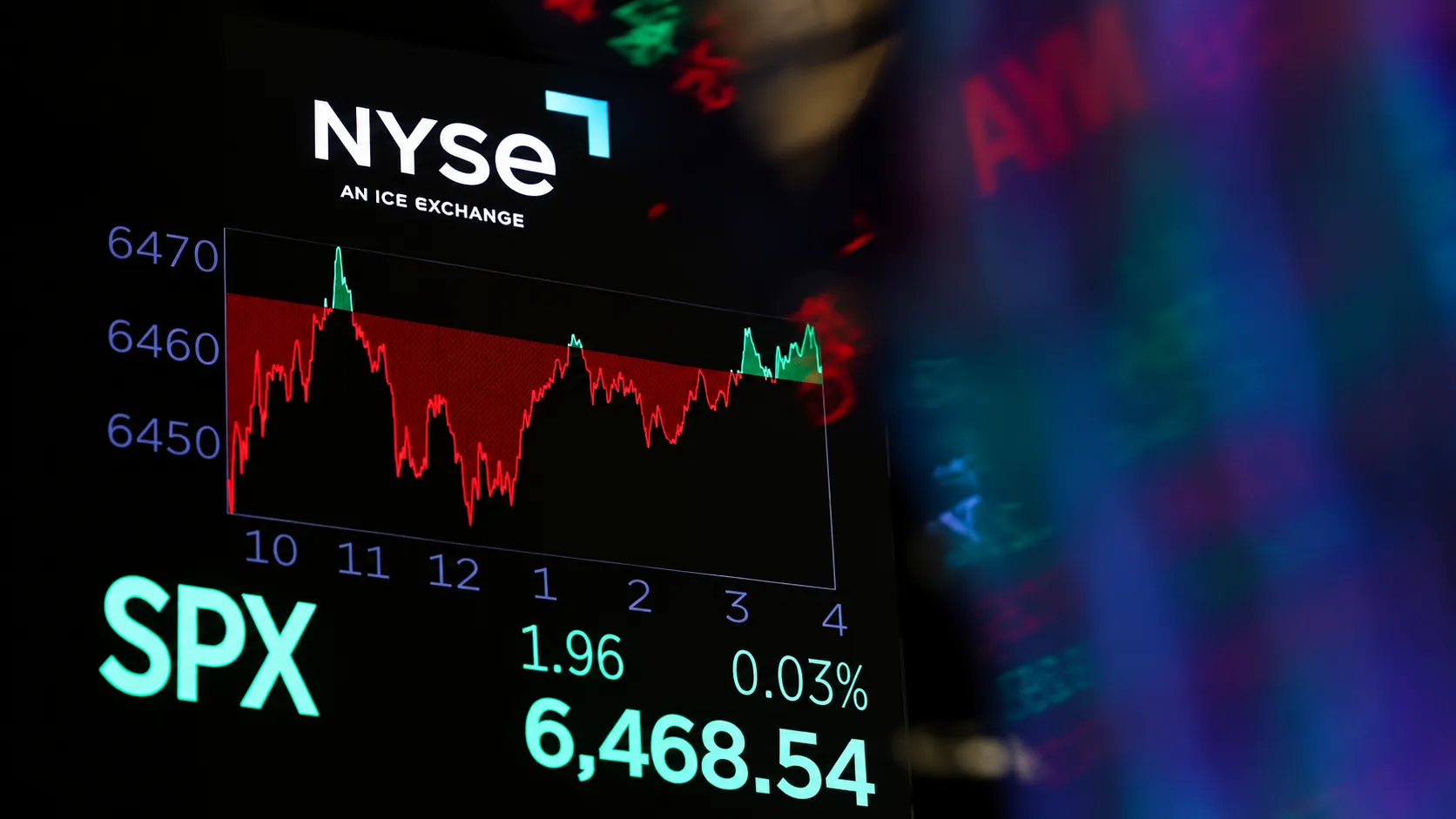
US stock index futures edged lower early on Monday, as traders assessed the likelihood that the United States and Iran could reach a deal on the Strait of Hormuz after President Donald Trump rejected Tehran's latest proposal. Dow Jones Industrial Average futures fell 0.32 per cent and S&P 500 futures slipped 0.36 per cent in Asian hours, according to Business Standard's live market coverage.
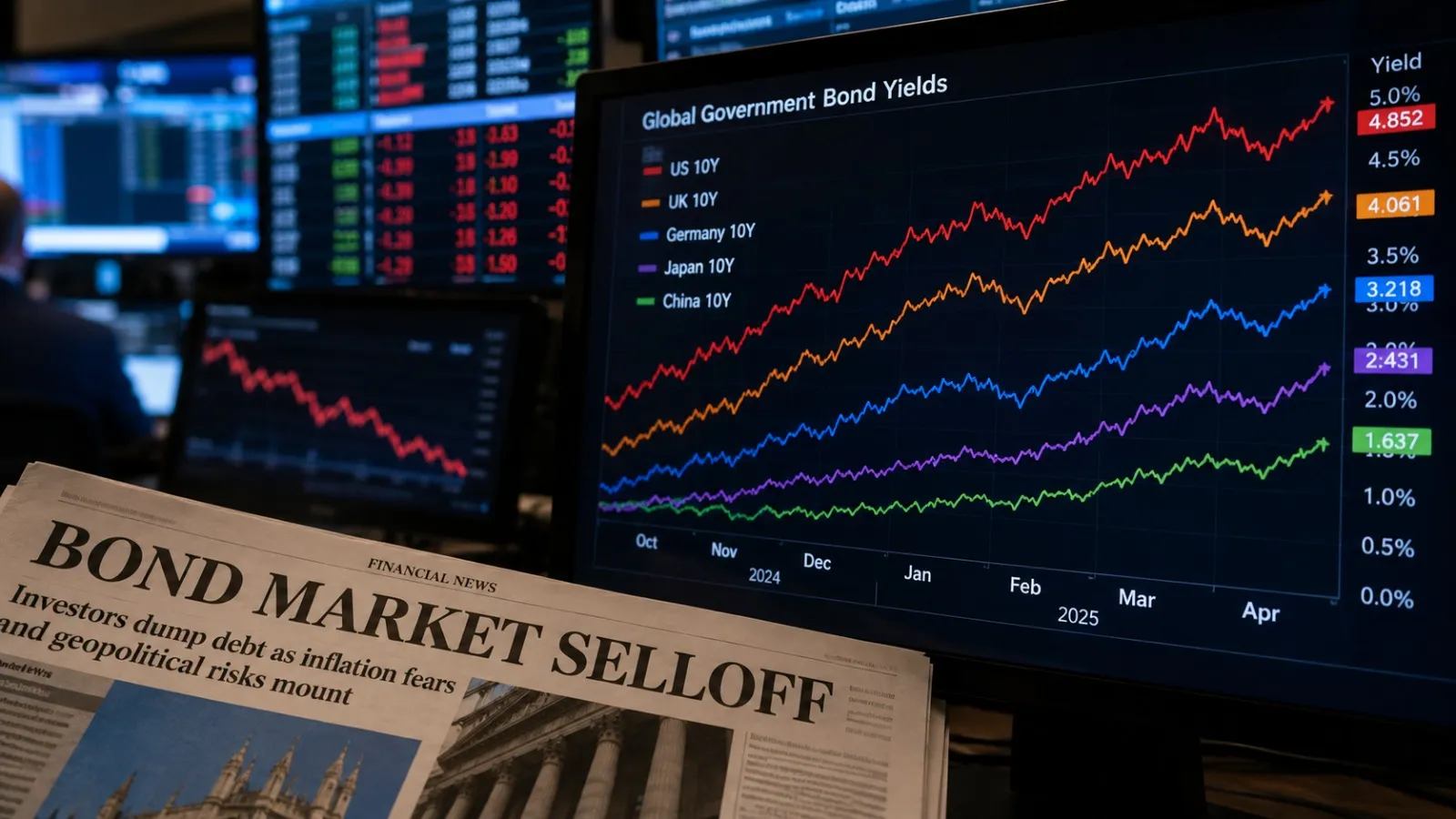
The dip followed a strong finish to last week, when the Nasdaq Composite and Nasdaq 100 closed at record highs on hopes that diplomacy could ease the energy shock. The question for the week ahead is whether those hopes can survive a crowded calendar of economic data, corporate earnings and geopolitical risk, all against a backdrop of 10-year Treasury yields above 5 per cent.
A weekend that cooled optimism
Friday's rally had been built partly on Iran's offer to reopen the Strait of Hormuz within seven days if the United States met its conditions. Oil prices fell more than 2 per cent that day, relieving some of the pressure on inflation expectations. Over the weekend, Trump said he had rejected the proposal, though he told Axios on Sunday that he expected more talks with Iran this week. Brent crude rose more than 1 per cent in early Asian trade on Monday, to around $105 to $106 a barrel.
Energy prices matter for US equities through two channels. They raise costs for consumers and businesses, eroding margins and spending power, and they feed into inflation, which influences how far the Federal Reserve is prepared to raise interest rates. The Fed raised rates earlier this month for the first time since 2023, and traders are pricing at least one more quarter-point increase before year-end.
The data calendar
The most important scheduled events of the week are economic releases. The Fed's preferred inflation measure, the personal consumption expenditures price index, and the monthly jobs report will together shape expectations for the central bank's next moves. Strong numbers on either front would reinforce the case for further tightening; softer readings would support the view that the Fed can pause.
Fed officials are divided in tone. Cleveland Fed President Beth Hammack has cited resilient growth and a strong labour market as justification for further tightening. Treasury Secretary Scott Bessent, by contrast, urged policymakers to keep an "open mind" on rates, arguing that productivity gains from artificial intelligence and deregulation could help contain inflation. Markets will parse the data for evidence supporting one view or the other.
Consumer sentiment has been weak. The University of Michigan's index fell to 48.1 in September, with year-ahead inflation expectations rising to 4.6 per cent, as high energy prices and borrowing costs weighed on households. That combination, low confidence and high inflation expectations, is uncomfortable for policymakers because it suggests both slowing demand and persistent price pressure.
Earnings: Nike in focus
The corporate calendar includes Nike's fiscal first-quarter results on Thursday, 1 October, after the market close. The sportswear maker has become a bellwether for consumer discretionary spending and for the challenges facing global brands in China. Bank of America downgraded Nike to Underperform last week, cutting its price target to $30 from $47, citing a slower turnaround, weakness in lifestyle categories and pressure in China. Analysts expect revenue of around $11.4 billion, a decline of about 2.4 per cent from a year earlier. Shares have fallen more than 40 per cent this year.
Restaurant and retail chains are also adjusting to cautious consumers. Starbucks said last week it would close about 250 underperforming stores in North America, its second major round of closures under chief executive Brian Niccol. Such moves highlight the pressure on businesses that depend on discretionary spending when fuel and borrowing costs are high.
Market breadth is another point of focus. Much of this year's gains in US indices have been driven by a relatively small group of large technology companies. Smaller companies, which rely more on floating-rate borrowing, have lagged as rates have risen. A broadening of the rally would signal confidence that the economy can absorb higher rates; a further narrowing would suggest investors are crowding into the few businesses whose earnings growth can outrun the cost of capital.
The yield problem
The most persistent headwind for equities is the level of bond yields. With 10-year Treasury yields above 5 per cent, investors can earn attractive returns without taking equity risk, which raises the bar for stock valuations. The fact that the Nasdaq has nonetheless reached record highs reflects the strength of earnings expectations for AI-linked companies, from chipmakers to cloud providers, whose growth has so far outpaced the drag from higher rates.
That tension cannot persist indefinitely. Either yields fall, as inflation fears ease or growth slows, or equity valuations adjust to reflect higher discount rates. A durable resolution of the Hormuz crisis would favour the first outcome by pulling oil prices lower. A breakdown would favour the second.
AI and policy headlines
Technology remains the market's engine, and AI policy is becoming a factor for investors as well. Anthropic chief executive Dario Amodei was due to have dinner with Trump at the White House on Sunday evening, their first one-on-one meeting, amid an ongoing debate over AI safety and a dispute over the Pentagon's supply-chain risk designation of the company. Microsoft shares rose sharply last week after the company overhauled its Copilot products, and chipmakers have continued to benefit from data centre demand.
What global investors should watch
For investors outside the United States, including those in India and across the Indian diaspora, Wall Street's direction this week carries through to other markets. A strong US jobs report that pushes yields higher could extend the outflows from emerging markets that have hit Indian equities for seven straight weeks. A soft inflation reading or progress on Iran could trigger a relief rally in risk assets worldwide.
The next five sessions compress a great deal of information into a short window. By Friday, markets will have a clearer sense of whether the Fed is likely to tighten again in the fourth quarter, whether US consumers are holding up, and whether diplomacy between Washington and Tehran has any real momentum. Records on the Nasdaq and 5 per cent yields on Treasuries cannot both be comfortable for long; this week may indicate which of the two gives way first.