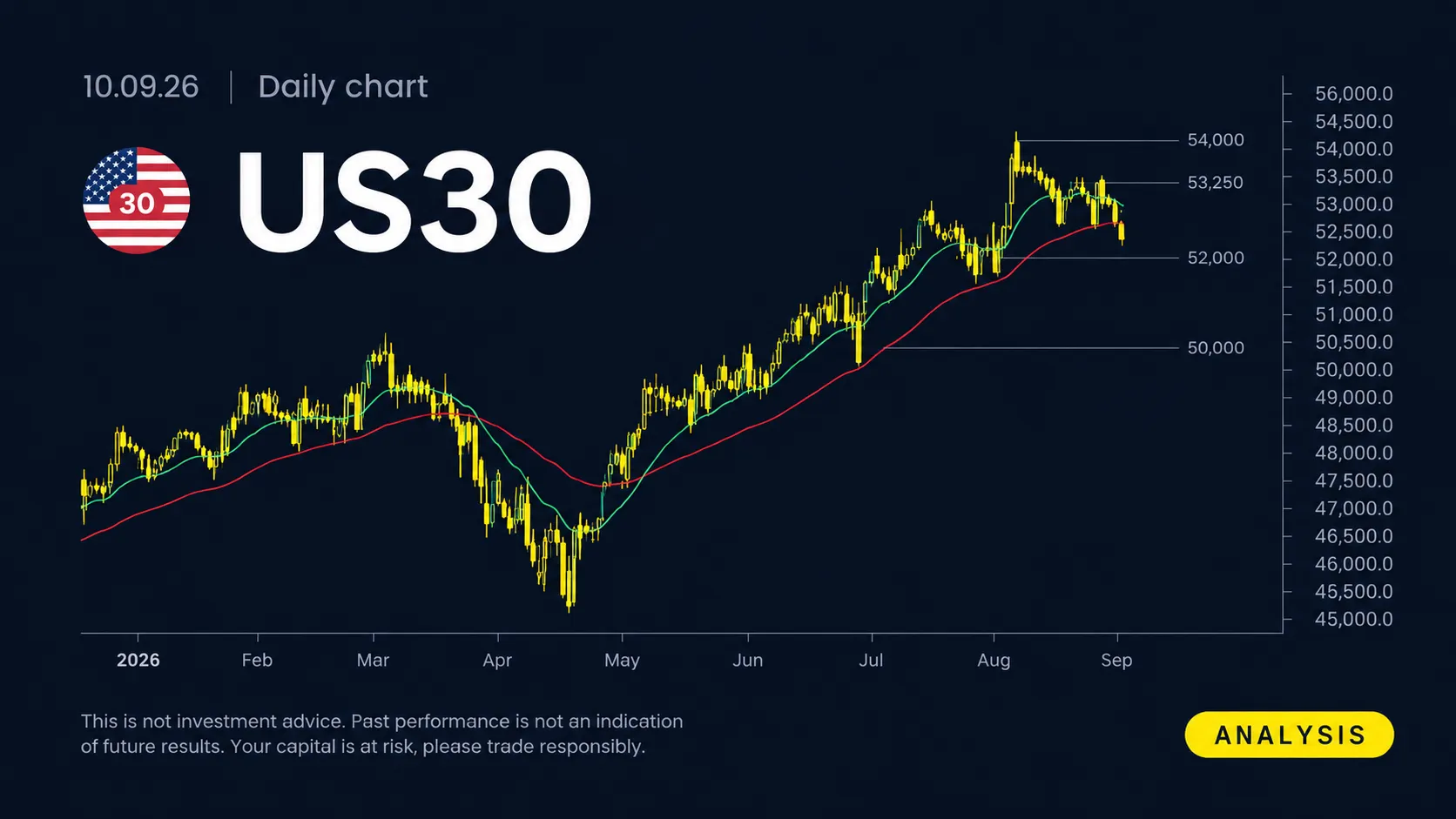
The US500 benchmark index rose to 7,596 points on September 17, 2026, gaining 0.59 percent from the previous session, according to trading data, offering a tentative rebound following the sharp declines that characterised the prior day's trading in the wake of the Federal Reserve's rate decision. Despite the day's gain, the index remains down 1.24 percent over the past month, though it stands 14.54 percent higher than a year ago, underscoring how the underlying strength of the past year's market advance has continued to provide a cushion even as near-term sentiment has soured amid renewed rate-hike concerns.
The rebound came as markets absorbed the prior session's Fed-driven volatility, with sector performance remaining notably fragmented rather than uniformly positive across the board. The technology sector, tracked through vehicles like the State Street Technology Select Sector SPDR ETF, posted modest gains, alongside the consumer discretionary sector, while more rate-sensitive and economically cyclical sectors including industrials and real estate continued to lag, reflecting the market's ongoing effort to reprice which sectors are best positioned to weather a potentially longer period of elevated interest rates than had been anticipated earlier in the year.
Market attention on September 17 also turned toward a busy corporate earnings calendar, with Darden Restaurants scheduled to report quarterly results before the opening bell, offering investors an early read on consumer discretionary spending and the broader health of the restaurant and hospitality sector amid a more uncertain macroeconomic backdrop. After the market close, FedEx was set to report its own quarterly results, a report widely regarded across Wall Street as a useful barometer for broader global economic activity given the logistics company's exposure to shipping volumes across virtually every sector of the economy, while homebuilder Lennar's results were expected to offer insight into how sustained higher interest rates have affected housing-market activity and consumer appetite for large, rate-sensitive purchases.
The combination of earnings data and continued macroeconomic uncertainty has left markets in a delicate balancing act, with investors weighing the risk of further Fed tightening against underlying corporate earnings strength that, for many companies, has remained resilient despite the more challenging macro environment. That tension between a hawkish rate outlook and still-solid corporate fundamentals has become a defining feature of market trading throughout much of 2026, contributing to the kind of day-to-day volatility reflected in the sharp swing between the prior session's selloff and this session's modest rebound.
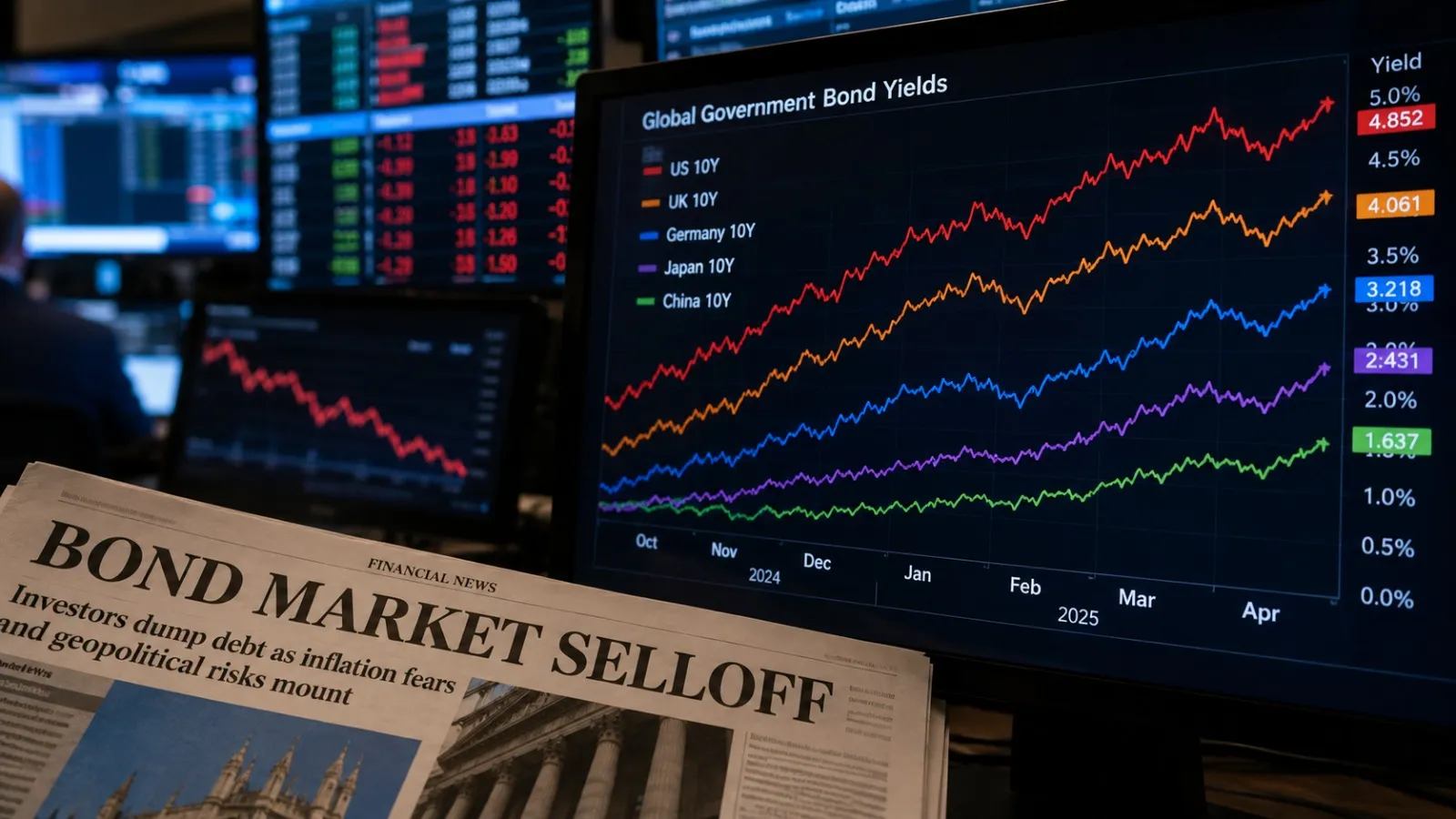
Strategists have continued to caution that a single day's rebound should not be read as a definitive signal that markets have fully absorbed the implications of the Fed's more hawkish guidance, particularly given the scale of the repricing that occurred in bond markets over the preceding session, with Treasury yields reaching multi-decade highs that could continue to exert valuation pressure on equities even if day-to-day trading stabilises. The coming weeks of economic data, particularly inflation readings, are likely to prove decisive in determining whether this week's volatility represents a temporary adjustment or the beginning of a more sustained repricing of risk assets in response to a genuinely renewed period of monetary tightening.
Options markets have also reflected the uncertainty defining this stretch of trading, with implied volatility measures remaining elevated relative to earlier in the year even as the underlying index posted a modest gain, suggesting institutional investors continue hedging against the possibility of further sharp moves in either direction rather than treating the day's rebound as a definitive signal that the worst of the Fed-driven volatility has passed. That persistent hedging demand has itself become a useful, if imperfect, gauge of underlying market anxiety, often proving a more reliable indicator of genuine investor sentiment than single-day price moves alone.
Retail investor behaviour has also drawn attention during this stretch of volatility, with trading-app data suggesting individual investors have, on balance, continued adding to equity positions during recent pullbacks rather than retreating to cash, a pattern that has held broadly consistent through several bouts of market turbulence over the past year and that some strategists view as a stabilising force helping to cushion the market against more severe institutional-driven selling.
Fund managers surveyed following the session broadly characterised positioning as cautious rather than defensive, suggesting most institutional investors continue to view the broader bull market as intact even as they trim exposure to the most rate-sensitive corners of their portfolios ahead of further clarity on the Fed's tightening trajectory over the remainder of the year.
Sell-side strategists at several major banks used the session to publish updated year-end index targets, with the median revision trending modestly lower than prior forecasts, reflecting a broader recalibration of expectations following the Fed's more hawkish-than-anticipated guidance, even as most strategists continued to characterise the underlying bull market as intact rather than concluded, citing still-resilient corporate earnings and a labour market that, while cooling, has not yet shown the kind of sharp deterioration that has historically preceded more severe and sustained market downturns.
That combination of resilient fundamentals and cautious positioning is likely to keep markets choppy in the near term rather than trending decisively in either direction.
Investors are, in effect, waiting for the next major data print to break the current standoff between hawkish rate expectations and still-solid corporate performance.
History suggests such standoffs rarely resolve gradually, and traders are positioning for the possibility of another sharp move once that data arrives.
Until then, expect the kind of range-bound, headline-driven trading that has characterised much of the past two weeks across major U.S. indices.