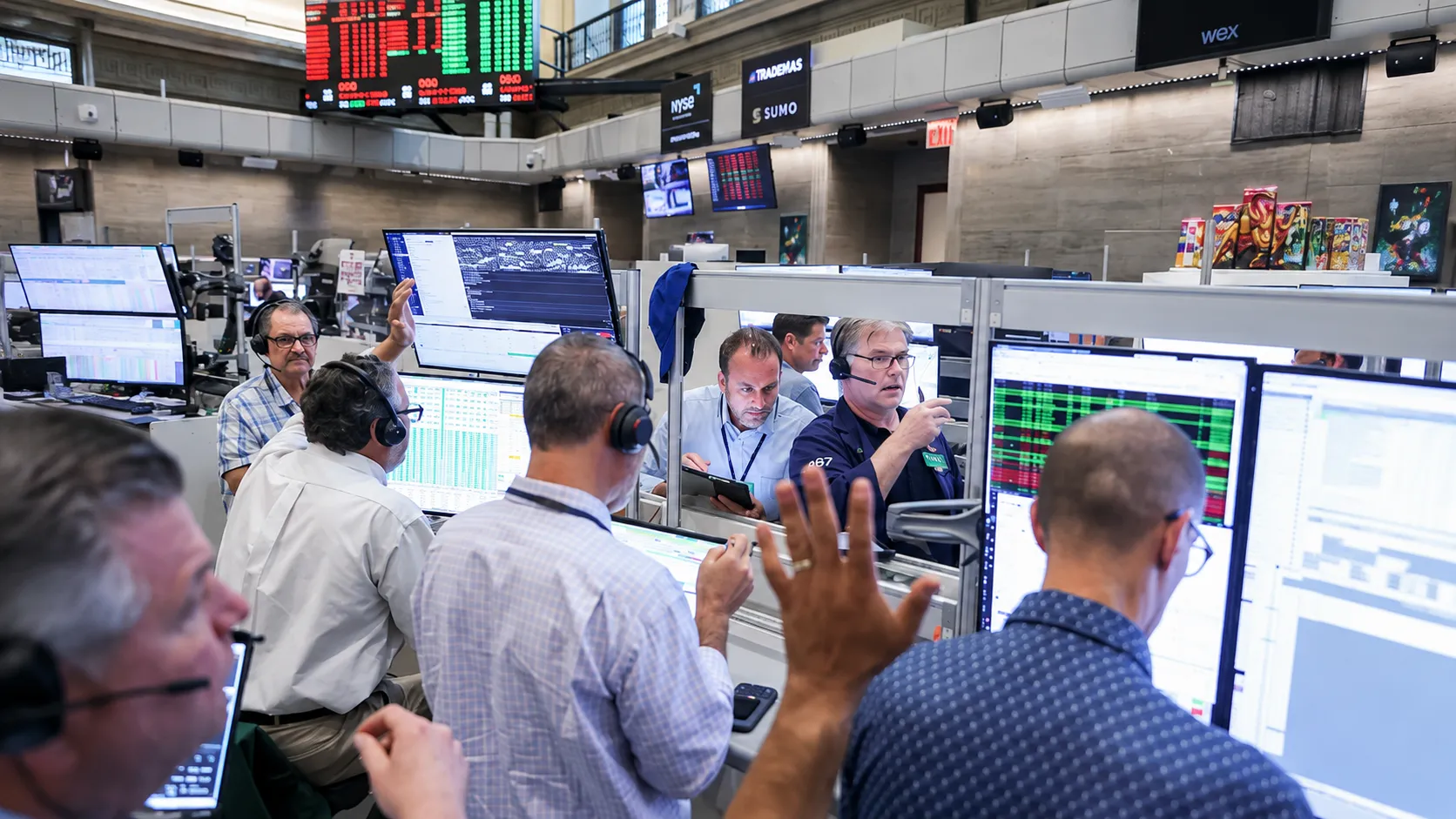
US equity markets rallied sharply on Monday, September 21, 2026, with the technology-heavy Nasdaq Composite closing at a record high of 27,122.09, up 2.26% for the session, as artificial-intelligence-related stocks led a broad advance that saw Advanced Micro Devices cross a $1 trillion market capitalisation for the first time in its history. The S&P 500 climbed 1.49% to end at 7,764.70, while the Dow Jones Industrial Average added 366.19 points, or 0.71%, to close at 52,048.83.
The session marked a sharp reversal from the prior week, during which the Dow had slid 1.7% for its worst weekly performance since March and the S&P 500 had edged down roughly 0.1%, with only the Nasdaq managing a modest 0.7% gain. Monday's rally was broad-based within the technology sector specifically: shares of Intel jumped 12%, AMD advanced approximately 10% on its way to the trillion-dollar milestone, and Qualcomm rose more than 9%, as investors rotated back into semiconductor and AI-infrastructure names.
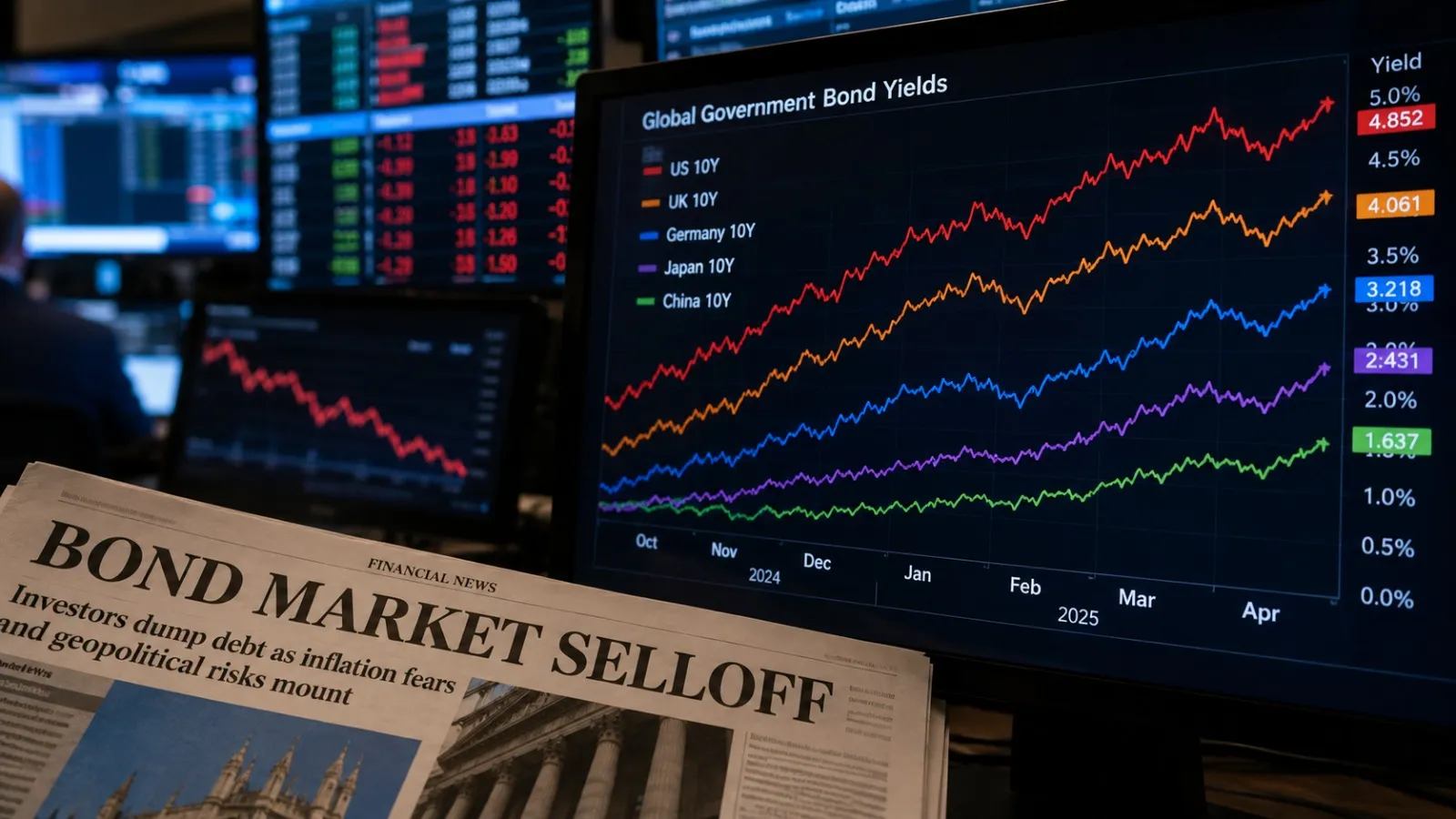
Several factors converged to support the rally. A roughly 4.5% drop in US crude-oil prices eased inflation concerns for investors, while declining Treasury yields provided additional support for growth-oriented technology stocks, which tend to be more sensitive to the discount rate applied to future earnings. Market strategists also pointed to seasonal patterns: Sam Stovall, chief investment strategist at CFRA, noted that the historical adage 'sell Rosh Hashanah, buy Yom Kippur' has often coincided with periods of seasonal market support, and Monday's session — falling on Yom Kippur itself — saw major averages advance broadly across the board.
Technical analysts also flagged a potentially significant chart pattern developing across major indices, describing the setup as consistent with a bullish flag breakout that could support continued upward momentum in the sessions ahead, though strategists cautioned that a single strong session, following a genuinely difficult prior week, does not by itself confirm a durable trend reversal.
Monday's rally also reignited a broader debate among market strategists about the sustainability of the AI-infrastructure investment cycle that has underpinned much of the technology sector's gains through 2026. Skeptics have repeatedly flagged the scale of capital expenditure major cloud providers and technology companies have committed to AI infrastructure as a potential source of future disappointment should demand growth for AI compute fail to keep pace with the aggressive spending plans currently baked into many technology companies' capital budgets.
AMD's crossing of the $1 trillion market-capitalisation threshold carries particular symbolic weight within the broader AI-infrastructure investment narrative that has dominated markets through much of 2026. The milestone places AMD alongside a small group of technology companies that have reached trillion-dollar valuations, reflecting investor conviction that the company has established itself as a credible alternative to Nvidia within the increasingly lucrative market for AI training and inference chips, even as competition across the semiconductor sector intensifies.
The broader rally in chip stocks also reflected renewed investor confidence in the durability of AI-related capital expenditure by major technology companies and cloud providers, a theme that has driven much of the market's gains through 2026 but has also periodically triggered concerns about valuation sustainability whenever individual companies have signalled any softening in AI infrastructure spending plans.
Proponents of the continued rally, meanwhile, have pointed to earnings results from companies directly exposed to AI infrastructure spending as evidence that demand remains robust enough to justify current valuations, even after the kind of dramatic single-day gains witnessed across chip stocks on Monday. That tension between bullish and cautious market participants is likely to persist as a defining feature of technology-sector trading through the remainder of 2026, regardless of how any individual session's price action unfolds.
With Monday's session delivering record closes and a landmark valuation milestone for AMD, investor attention now turns to whether the rally can extend through the remainder of the week, particularly as markets continue to monitor Federal Reserve policy signals, ongoing geopolitical developments, and the sustainability of the AI-infrastructure investment cycle that has underpinned much of the technology sector's gains through the year. For now, Monday's session offered a clear reminder of how quickly sentiment can shift on Wall Street — from a six-year-worst weekly performance to a record close within the span of a single trading day.