StartupsUnicorns Tech5 MIN READ

Colossal's Ben Lamm Launches Warhound With $200 Million to Gene-Edit Military Working Dogs, With Anduril Supplying the Gear

Warhound, a startup conceived by Colossal Biosciences chief Ben Lamm and Anduril co-founder Palmer Luckey, has emerged from stealth with $200 million at a $1.2 billion valuation to genetically engineer working dogs for the US military, police and emergency services. Investors include In-Q-Tel, Sequoia and 8VC, and the first cloned dogs are due early next year.

By Nisha Omkumar · Author23 October 2026New
Colossal's Ben Lamm Launches Warhound With $200 Million to Gene-Edit Military Working Dogs, With Anduril Supplying the Gear

A new startup is bringing the tools of genetic engineering and de-extinction science to one of the oldest partnerships in military history: the bond between soldiers and their dogs.

Warhound emerged from stealth on Thursday, October 22, with $200 million in funding from investors including In-Q-Tel, the CIA's venture capital arm, Sequoia and 8VC, TechCrunch reported. The round values the company at $1.2 billion, making it a unicorn on the day of its public debut.

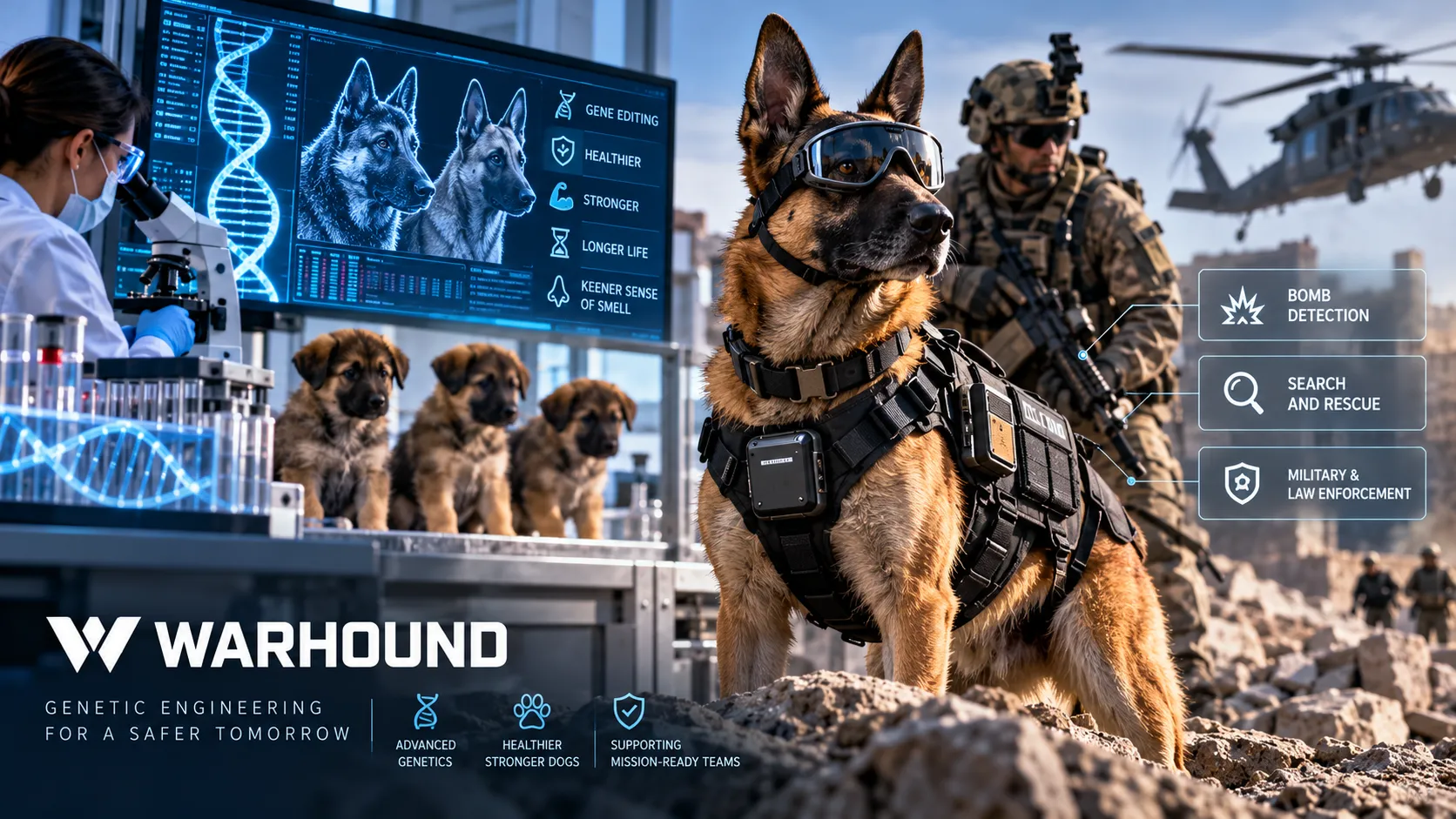
The company aims to genetically engineer dogs for the US military, law enforcement and emergency response teams, for tasks such as bomb detection and search and rescue.

The founders

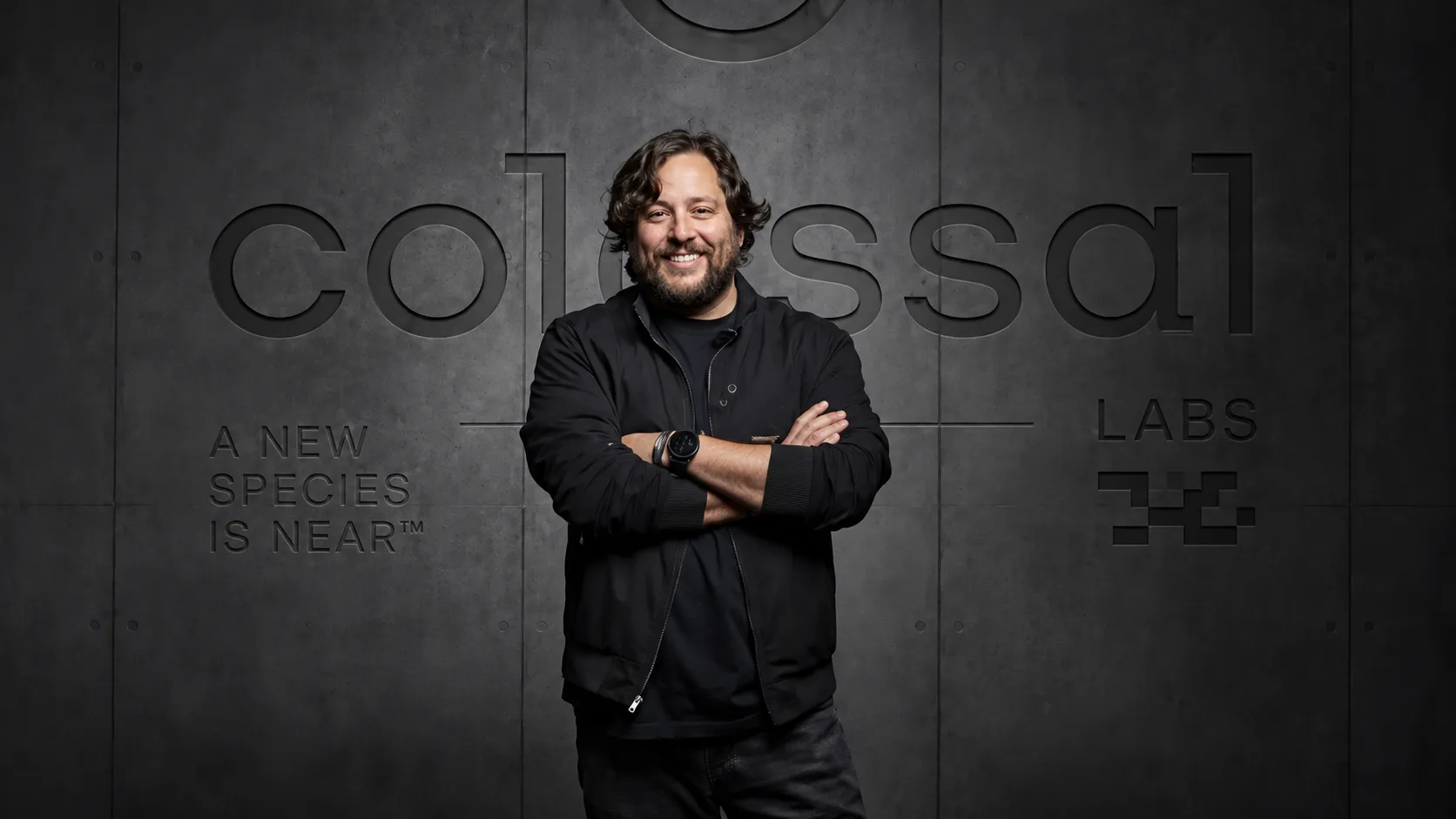
Warhound was conceived by Ben Lamm, the chief executive of Colossal Biosciences, the company known for its efforts to bring back extinct species such as the woolly mammoth and the dodo, and Palmer Luckey, co-founder of defence technology company Anduril. Lamm said Luckey is a partner in the venture but holds no equity.

Colossal owns equity in Warhound and licenses its technology to the startup. Viagen, another company in the Colossal group, will clone the dogs.

Anduril will supply software and hardware, including protective vests with data sensors and eye goggles, to improve situational awareness and coordination between dogs and their handlers. Lamm stressed that these additions are "on top of the dog, not in the dog."

The problem Warhound wants to solve

Military working dogs are valued for their ability to detect explosives, track people and protect troops. But supplying them is difficult. Warhound says more than 80% of working dogs used by the US military come from Europe, and fewer than half are fit for service.

Lamm said many dogs fail training because of genetic issues such as poor eyesight, cancer risk, hip dysplasia and muscle atrophy. Breeding dogs with the right combination of health, temperament and ability is slow and unpredictable.

Warhound's approach is to start with cell lines from proven breeds, Belgian Malinois and German Shepherds, stored in a biobank. Scientists will edit genes to add beneficial traits and remove harmful ones. Target traits include health, longevity, speed, agility and sense of smell. The goal, the company says, is dogs with "characteristics suited to demanding missions."

Timeline and customers

The first batch of dogs is being cloned and incubated and is expected to be born early next year. The company hopes they will enter service within two years.

Pricing has not been set. Expected buyers include the Department of Defense, military service branches, police forces and first responders. Lamm said the company has briefed many government groups.

Welfare questions

Genetically engineering animals for military use raises ethical questions, and Warhound has sought to address them. Lamm said the dogs will be trained like any military working dog and managed by their buyers. The company is working with the American Humane Society to certify its training programme, and retired dogs may join the society's Military Working Dog Reunification Program.

"If we make the dog safer, make it healthier, make it perform better, it's going to perform better in the line of duty," Lamm said.

Animal welfare advocates are likely to scrutinise the project closely. Questions include the welfare of cloned animals, the potential for unintended health effects from gene editing and the broader ethics of designing animals for combat roles.

“If we make the dog safer, make it healthier, make it perform better, it's going to perform better in the line of duty.”
— Ben Lamm, Co-founder, Warhound

Defence tech's investment boom

Warhound's large debut round reflects the surge of investor interest in defence technology. Conflicts in Ukraine and the Middle East, rising geopolitical tensions and increased defence budgets have driven venture capital into startups building drones, autonomous systems, AI for intelligence and new weapons platforms. Anduril itself has become one of the most valuable defence startups.

In-Q-Tel's involvement signals interest from the US intelligence community. The venture firm invests in technologies that could benefit national security agencies.

Sequoia and 8VC, two prominent Silicon Valley firms, have both expanded their exposure to defence and national security in recent years, a significant shift from the industry's earlier reluctance to work with the military.

Biotech meets defence

The venture also illustrates how advances in biotechnology are opening new commercial applications. Colossal has raised significant capital for its de-extinction programmes, and its technologies in gene editing, cloning and reproductive biology could have applications beyond conservation, from agriculture to medicine.

Warhound is an example of Colossal spinning out companies to commercialise its tools in specific markets, a strategy that can generate revenue to support its longer-term scientific ambitions.

0eed713a-f25f-408d-84b9-d84bd0b2371a.png

The global angle

Working dogs are used by militaries, police and security agencies around the world, including in India, where they play roles in counter-insurgency operations, border security and disaster response. The Indian Army and paramilitary forces maintain dedicated dog units, and Indian police use dogs for explosive detection and tracking.

If Warhound's approach proves successful, it could eventually interest other countries seeking to improve the health and capability of their working dogs, though regulatory and ethical frameworks for genetically engineered animals vary widely.

The science of cloning and gene editing

Cloning animals involves transferring the nucleus of a donor cell into an egg cell from which the nucleus has been removed, then implanting the resulting embryo in a surrogate mother. The technique was famously used to create Dolly the sheep in 1996 and has since been applied to dogs, horses, cattle and pets. Commercial dog cloning services have existed for years, though they remain expensive.

Gene editing tools such as CRISPR allow scientists to make precise changes to an organism's DNA, adding, removing or altering specific genes. Combining gene editing with cloning allows researchers to create animals with targeted genetic changes. Colossal has used these techniques in its de-extinction work, including creating mice with mammoth-like traits.

Applying these tools to working dogs raises technical challenges, including identifying genes associated with complex traits like temperament and scent detection, which are influenced by many genes and environmental factors.

What comes next

The birth of the first dogs early next year will be the first real test of Warhound's technology. Training, performance in the field and the dogs' health over time will determine whether the approach delivers on its promise.

For investors, Warhound is a high-profile bet on the convergence of biotech and defence. For the military, it offers the possibility of more reliable working dogs. For society, it raises new questions about how far genetic engineering should go.

TagsWarhoundBen LammPalmer LuckeyColossal BiosciencesAndurilgene editingcloningmilitary working dogsdefence techIn-Q-TelSequoia8VCbiotechViagenunicornstartup fundinganimal welfareAmerican Humane Societynational securityventure capital

Reader reviews

Sign in to rate and review this article.
Loading reviews…

