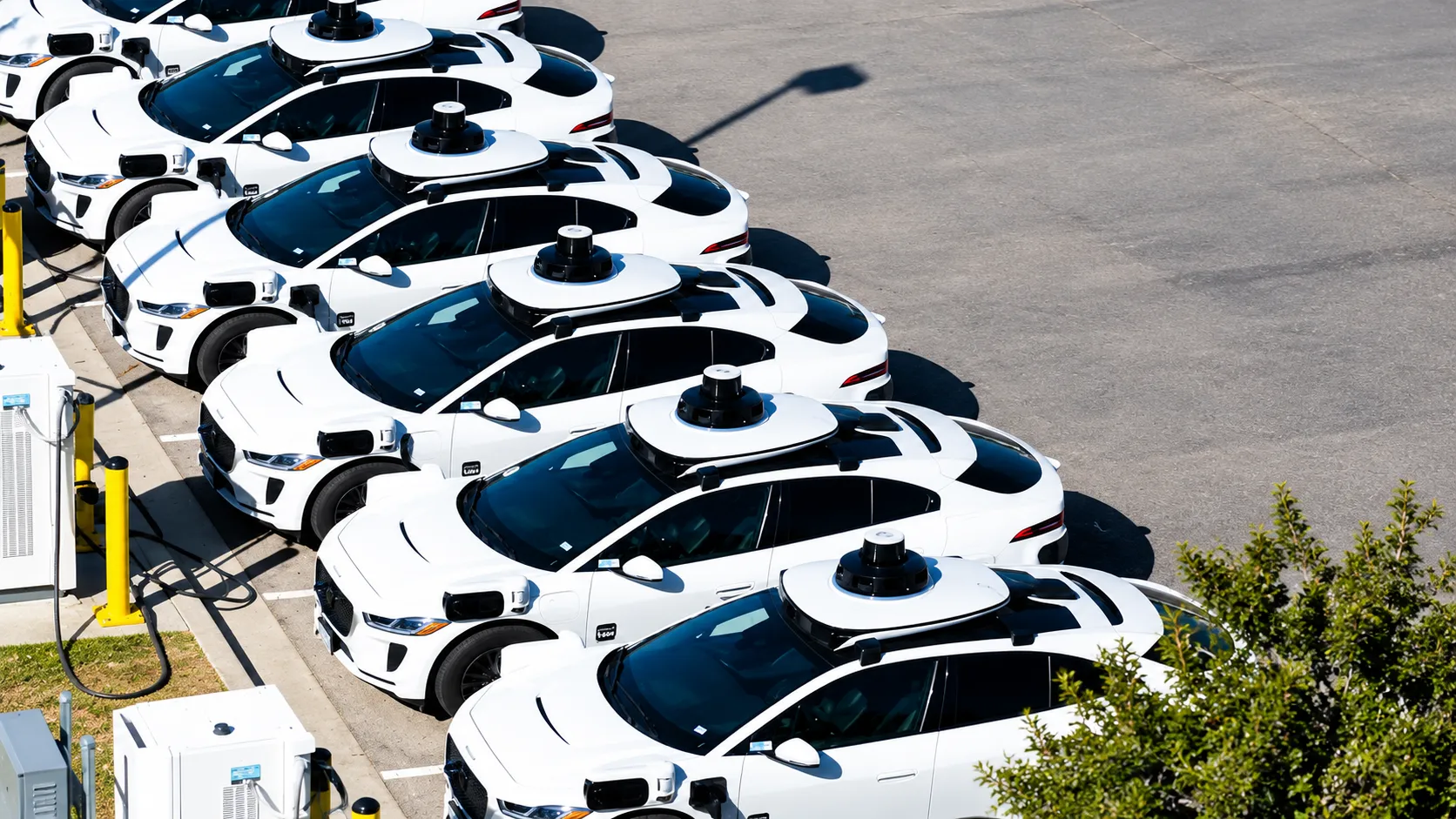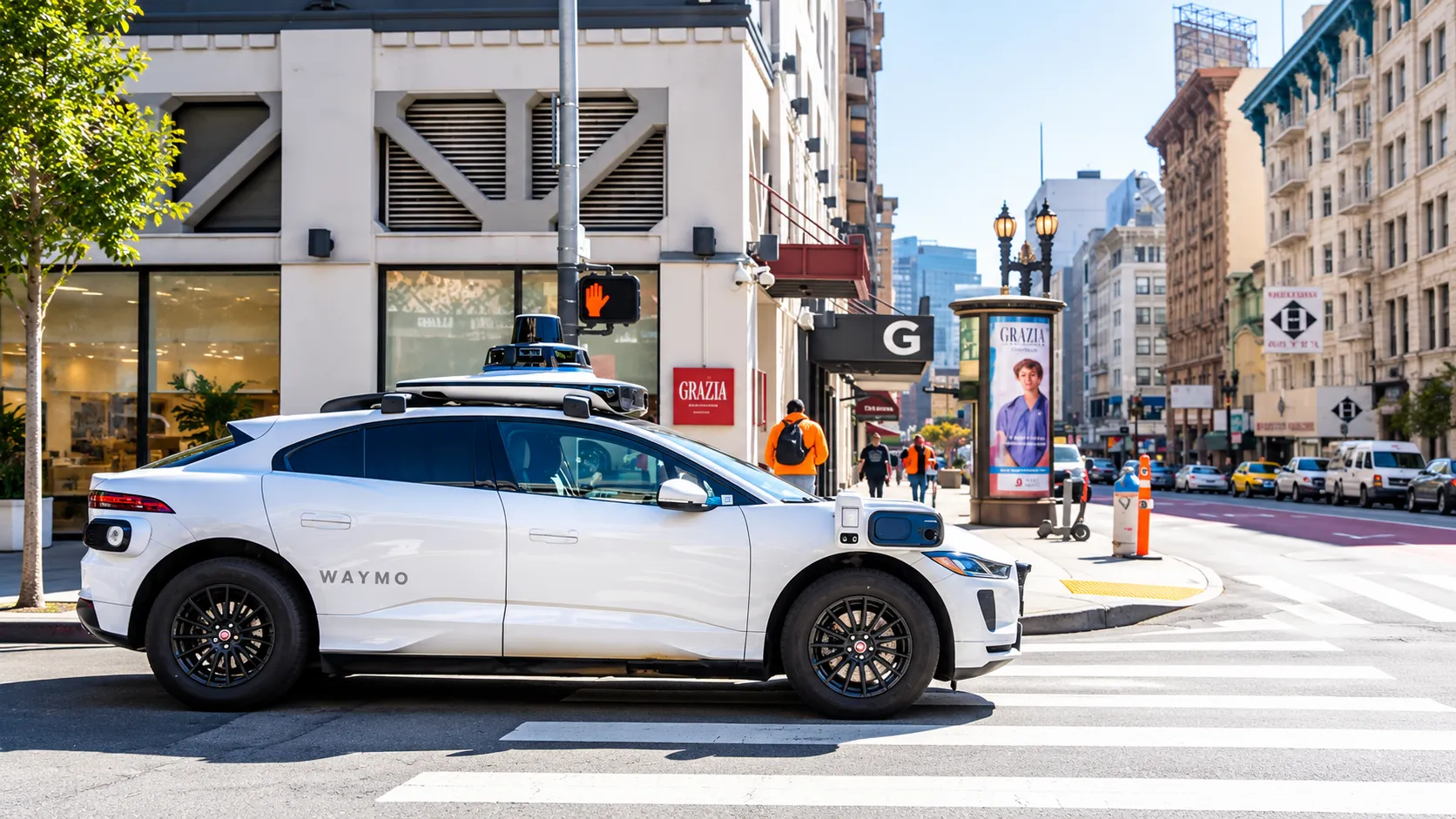
Waymo's robotaxi service has grown faster over the past two years than many sceptics believed possible. The Alphabet-owned company now operates in 15 US cities, up from just three, Phoenix, Los Angeles and San Francisco, in September 2024. It averages about 500,000 paid rides a week. But an analysis of vehicle registration data by TechCrunch shows that this national footprint rests on a highly concentrated base: of Waymo's roughly 4,000 robotaxis, about 80 per cent are registered in California and Texas.
In her TechCrunch Mobility newsletter published on 27 September, transportation editor Kirsten Korosec described Waymo's growth as "widespread and concentrated, all at once", and set it alongside other emerging strategies for scaling autonomous vehicles, from partnerships with carmakers to dedicated freight corridors.
Texas takes the lead in growth
Texas is where Waymo's expansion is currently most rapid. As of 24 September, 1,102 autonomous vehicles were registered to the company in the state. Waymo's Texas fleet has grown by more than 49 per cent in just three weeks, after rising from about 600 vehicles in June to over 700 by the end of August.
Much of the September surge comes from a new vehicle. About a third of the Texas fleet now consists of Ojai minivans, modified Zeekr RT vehicles built by the Chinese carmaker Zeekr, part of Geely Holding Group, and equipped with Waymo's sixth-generation self-driving system. The Ojai also includes Google's Gemini AI as an in-car assistant. According to tracking by analysts at MoffettNathanson, about 5,100 of the vehicles are projected to arrive in the United States by the end of the year. The rest of Waymo's fleet consists mainly of white Jaguar I-Pace electric SUVs.
Waymo began commercial service in Austin in March 2025 through a partnership with Uber, and has since expanded to Dallas, Houston and San Antonio. Texas offers several advantages for autonomous vehicle operators: a supportive state regulatory framework, large sprawling metropolitan areas with wide roads, and fast-growing populations. California remains the company's historic base, with San Francisco and Los Angeles among its largest markets. About 800 vehicles are spread across other states, including Arizona and Florida.
Three strategies for scale
Korosec identified three distinct approaches emerging across the autonomous vehicle industry as it moves from testing to commercial deployment.
The first is scale through partnerships. British startup Wayve has signed a commercial agreement with Mercedes-Benz to integrate its automated driving technology into at least one model due within the next two years. The product is a Level 2 system, which handles certain driving tasks but requires the driver to remain engaged, rather than a fully driverless one. It follows similar deals with Nissan and Stellantis, and those partnerships have also opened doors for Wayve's driverless ambitions, including a planned robotaxi service in Tokyo with Nissan and Uber.
The second is Waymo's approach: owning and operating its own fleet, expanding city by city, while concentrating resources where regulatory and operating conditions are most favourable. The company is also seeking new categories of users, including teenagers, as part of its expansion.
The third sits between the two. Aurora, which develops self-driving trucks, is heavily focused on Texas freight routes but has signed partnerships with multiple fleet operators and truck manufacturers. The company said last week it is targeting more than 30,000 driverless trucks in operation by 2030, with more than 200 by the end of this year.
Why concentration makes sense
Concentrating the fleet is a rational choice for an operator at Waymo's stage. Robotaxi economics depend on utilisation: the more rides each vehicle completes per day, the faster it pays back its cost. Dense deployments in a few metropolitan areas improve utilisation, reduce the distance vehicles travel empty between rides, and simplify maintenance, charging and remote support operations. Each new city requires detailed mapping, local regulatory engagement and operational infrastructure, so spreading vehicles thinly across many markets would raise costs.
Concentration also carries risks. Regulatory or political setbacks in one state could have an outsized effect on the business. A serious incident in a major market could prompt restrictions that affect a large share of the fleet. And the company's national brand depends on demonstrating that its service works reliably in many different environments, including cities with harsher weather and more complex traffic than Phoenix or Austin.
Partnerships with ride-hailing platforms are another lever. Waymo's Texas service runs through Uber's app in several cities, giving it immediate access to a large base of riders without building demand from scratch. That arrangement allows Waymo to focus on the vehicles and the driving system while Uber handles customer acquisition, pricing and payments. Similar tie-ups are spreading: Uber has partnered with multiple autonomous vehicle developers around the world, positioning itself as an aggregator of robotaxi supply rather than a developer of the technology itself.
The safety spotlight
Safety remains central to the industry's licence to operate. Zoox, the Amazon-owned robotaxi company, grounded its autonomous test fleet in Atlanta after safety drivers were potentially exposed to gases inside vehicles, according to TechCrunch reporting; the company says it found evidence only of carbon dioxide, and a worker filed a complaint with the Occupational Safety and Health Administration. Comma, the driver-assistance startup founded by George Hotz, is under federal investigation after crashes involving its aftermarket hands-off technology.
Waymo has built its reputation on a cautious, data-driven approach to safety, publishing detailed statistics on its performance. As its fleet grows, the number of miles driven, and therefore the number of incidents that attract public attention, will rise, making transparency more important.
What it means for global markets
The US experience offers lessons for other countries weighing autonomous vehicles. In India, where roads are far more complex and mixed traffic is the norm, fully driverless robotaxis remain a distant prospect. But the partnership model exemplified by Wayve, in which advanced driver-assistance systems are integrated into mass-market cars, is more relevant. Indian carmakers and technology suppliers are already developing advanced driver-assistance features, and Indian engineering centres support many global autonomous vehicle programmes.
The supply chain story is also notable. Waymo's growth depends partly on vehicles from a Chinese manufacturer, even as US policy has moved to restrict Chinese connected-vehicle technology. How that tension is resolved will affect not only Waymo but the broader economics of autonomous fleets, which depend on affordable, purpose-built vehicles.
Autonomy is no longer a question of whether the technology works, but of where, how fast and with whom it scales. Waymo's fleet data show that the answer, for now, is: in a few friendly states, very quickly, and on its own terms. Whether that model can extend to dozens of cities and different regulatory environments will determine how quickly robotaxis move from a regional phenomenon to a national, and eventually global, transport option.